Which press should I choose for extracting juice from apples and grapes?
Juice presses are widely used for producing juice from fruits and berries, as well as in winemaking. However, the large number of different juice presses available on the market creates a certain difficulty when choosing. Based on many years of experience in manufacturing and selling juice presses, we have prepared an article that will help you understand the wide range of presses on offer and make the right choice.
This article will first describe the main types of juice presses, their operating principles, and then provide recommendations for choosing one.
1. TYPES OF JUICE PRESSES
1.1. Screw (mechanical) juice press
Screw presses work on the principle of a vise, compressing the crushed raw material and separating the juice from the solid part — the pomace.
1.1.1. Juice press with a screw rising from the base
This is the cheapest version of a manual juice press. The screw is welded to the base of the press and comes directly out of the juice collection tray. When choosing this type of press, you need to pay attention to the height of the working thread relative to the top point of the press basket. The thread must be located above the upper line of the press basket, and the lower part of the screw must обязательно be painted or made of stainless steel. Food-grade grease (approved for contact with food products) must be used to lubricate the screw. However, when using such a design, wear products together with the grease may get into the juice. Also, the central screw makes it difficult to use a full filtration bag and to empty the press basket quickly.
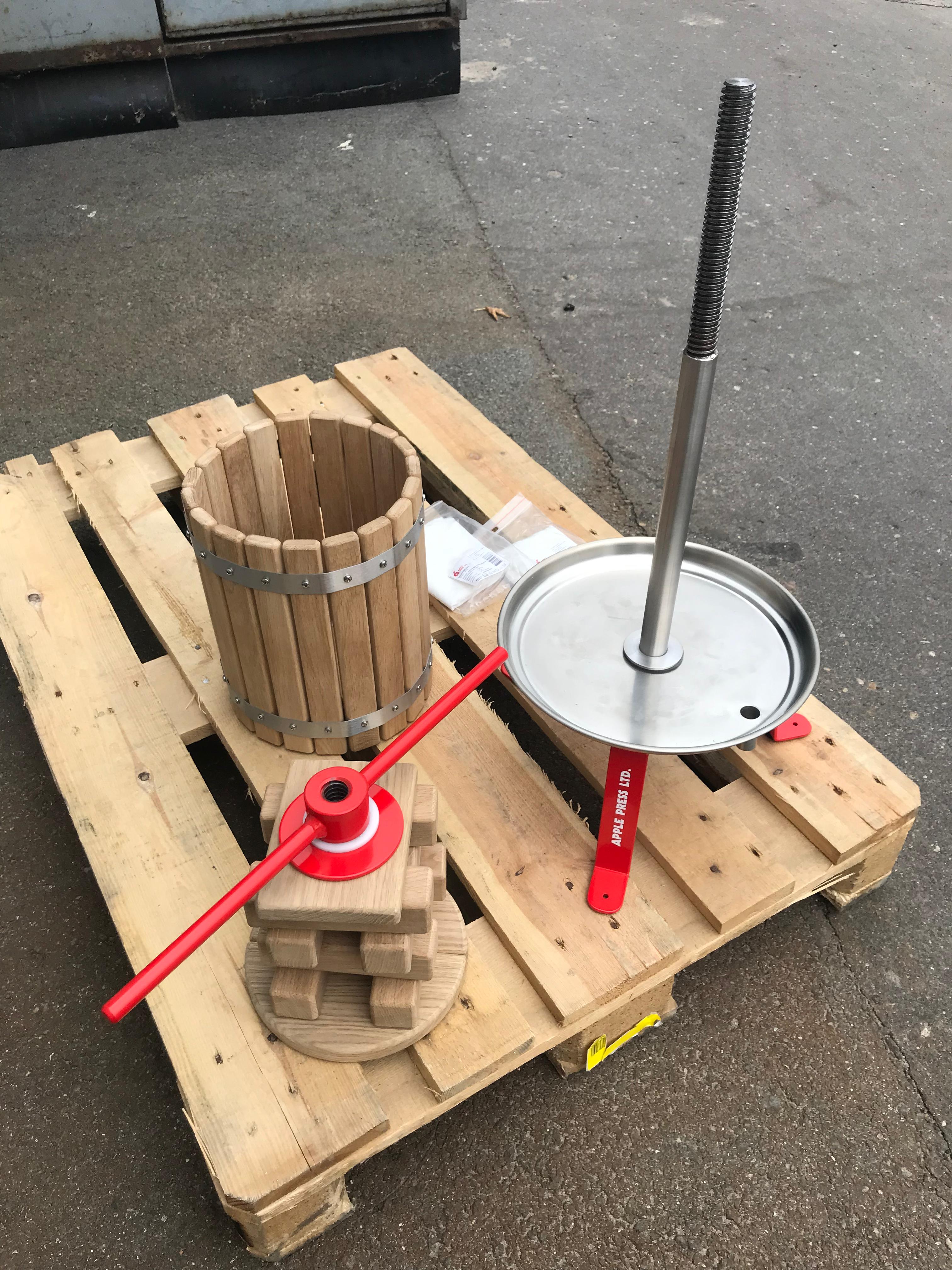
Figure 1.1. Press with a screw rising from the base VBP-10 (Manufacturer: APPLE PRESS LTD.)
1.1.2. Screw juice press with a ratchet mechanism
The ratchet mechanism of the press significantly facilitates the juice pressing process, as it creates additional leverage. However, the process of tightening the screw using a ratchet mechanism is quite time-consuming, so this type of press design is advisable only for large-volume presses. For small presses with a basket volume of up to 20 liters, it is better to choose a frame press design.
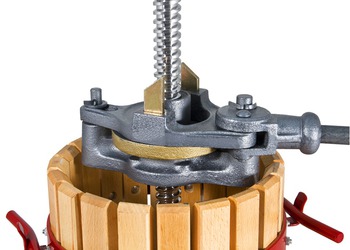
Figure 1.2. Screw press with a ratchet mechanism (Manufacturer: ZAMBELLI Enotech s.r.l.)
1.1.3. Screw juice press with a jack mechanism
The jack mechanism of the press significantly speeds up the juice pressing process and allows greater pressure to be created. It is usually used on presses with a basket volume starting from 128 L.
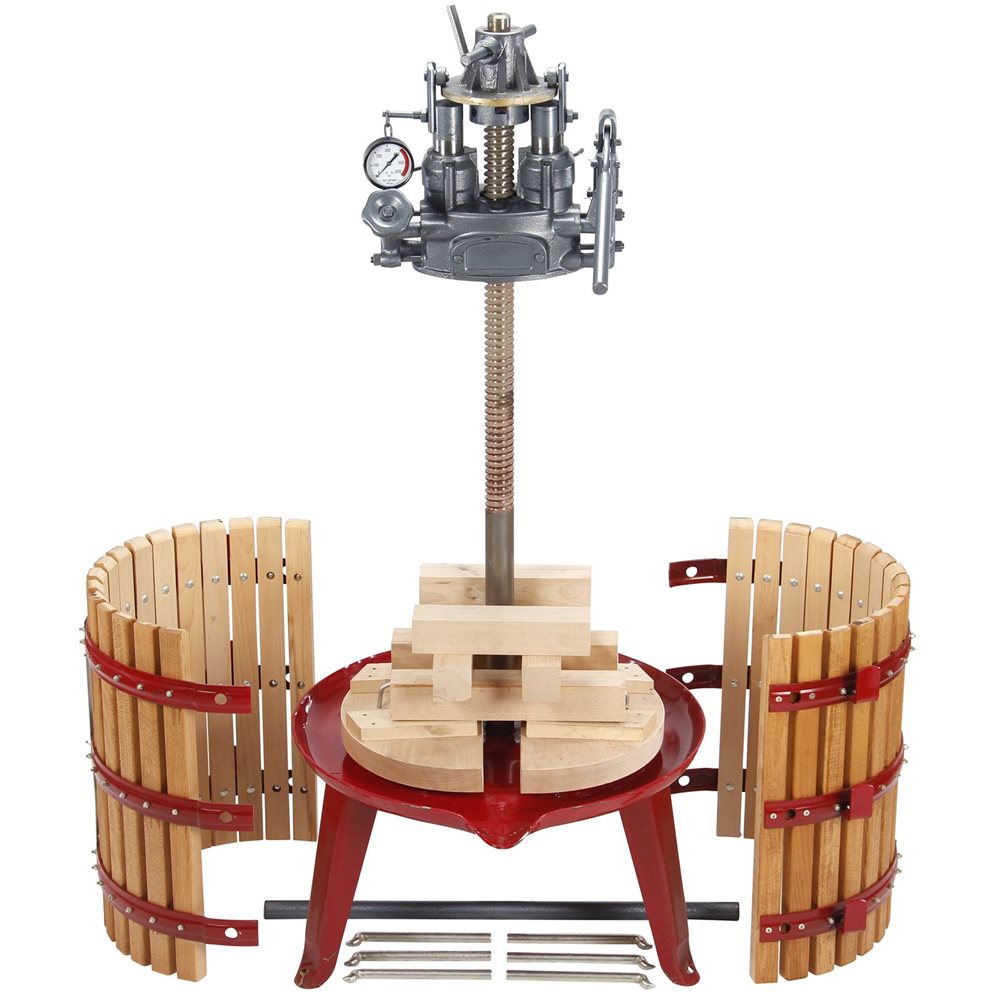
Figure 1.3. Screw press with a jack mechanism (Manufacturer: ZAMBELLI Enotech s.r.l.)
1.1.4. Frame screw juice press
In this version of a screw fruit press, the screw is located at the top and rests against a special pad on the press piston, so the screw lubricant does not get into the juice.
Frame screw presses are convenient to use because the juice can be pressed in one go by tightening the screw all the way, without moving anything during pressing.
However, with a basket volume of more than 10–20 liters, turning the screw is still quite tiring, especially if you need to process a large quantity of apples or grapes.
Small frame screw presses with a basket volume of up to 5 liters are convenient for use in the kitchen. They are lightweight and compact, so they can easily fit on a shelf and will not take up much space.
The thrust bearing and bronze bushing in the piston pad greatly facilitate screw rotation and also ensure reliable operation of the friction parts.
Pay attention to the thread length in the press frame. Often, when cutting the thread in the round nut of the frame, part of the hole length is bored out to the outer diameter of the screw, and the actual thread is cut only in the remaining 2–4 centimeters. For reliable and durable operation of the press, the thread must be cut along the entire length of the nut, which is 5–7 cm for a trapezoidal screw TR24x5 or TR28x5.
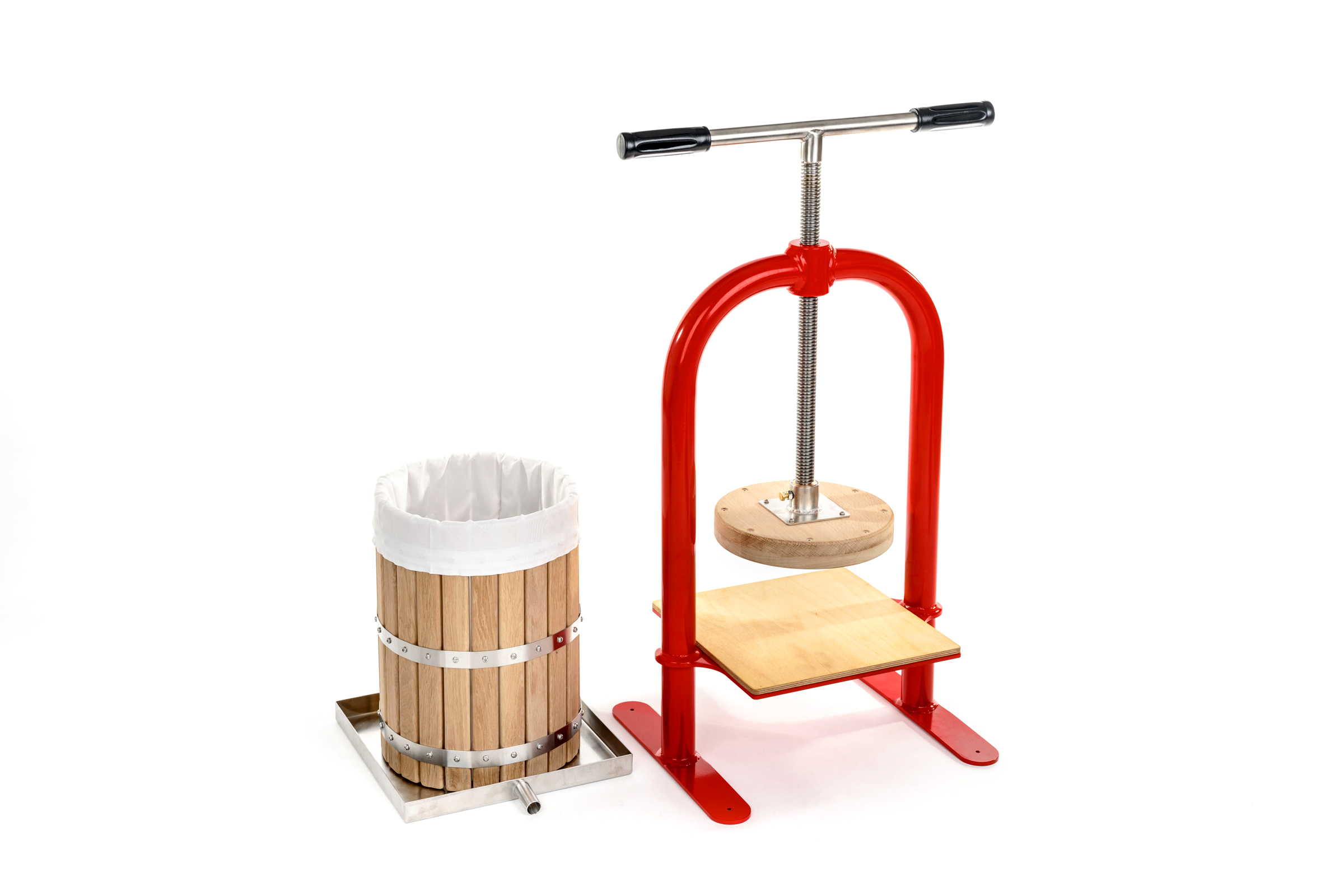
Figure 1.4. Frame screw juice press VP-20 (Manufacturer: APPLE PRESS LTD.)
1.2. Hydraulic juice presses
1.2.1. Juice press with a jack above the basket
A hydraulic press for apples and grapes is a heavy-duty rectangular frame with a support for the jack rod in the center. With the help of a jack, high pressure can be created easily and without unnecessary effort. The only drawback is that the jack rod travel is not sufficient for the full height of the basket. Because of this, during the juice pressing process, wooden blocks have to be inserted. This problem can be solved by purchasing a two-stage jack.
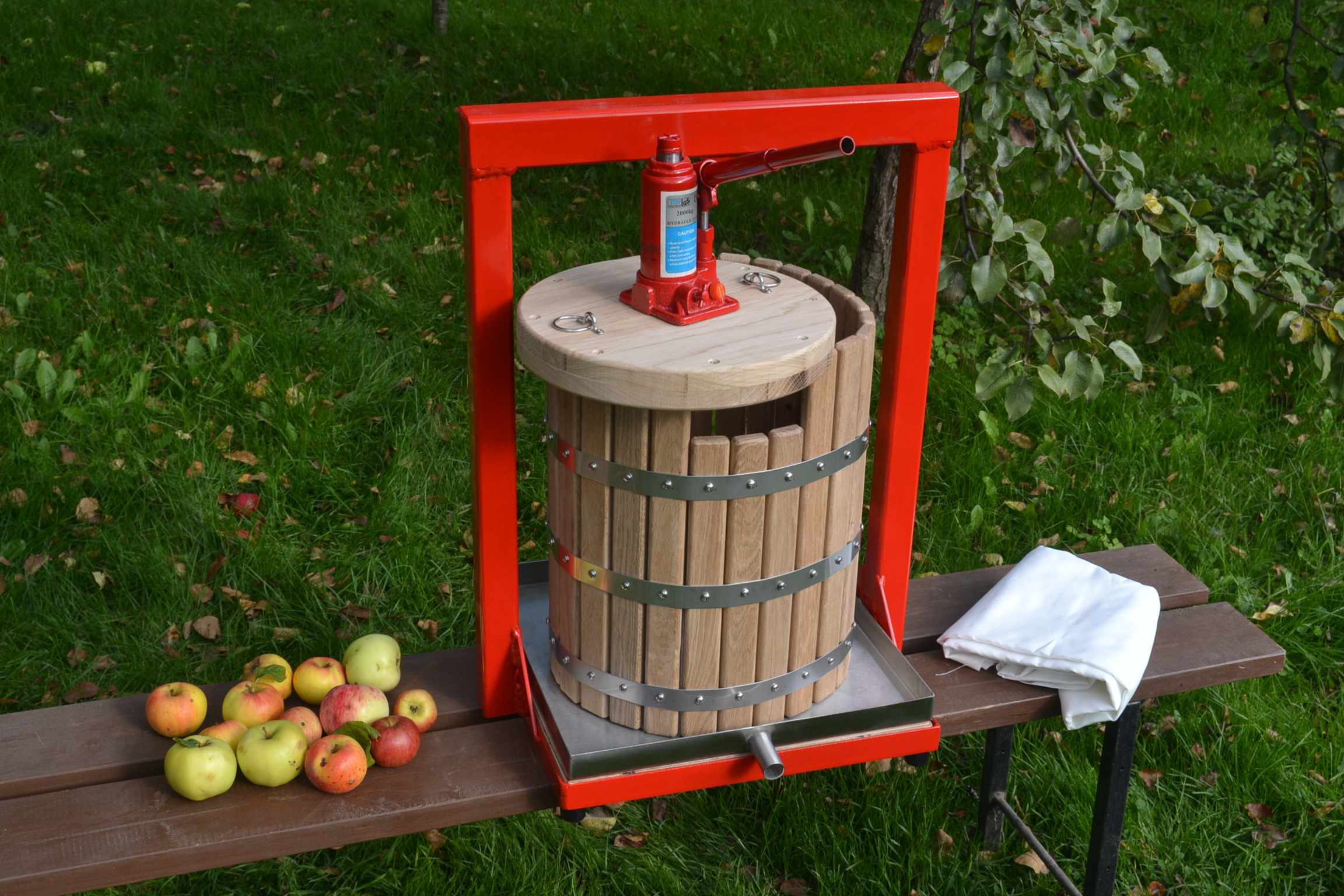
Figure 1.5. Hydraulic apple press GP-30 (Manufacturer: APPLE PRESS LTD.)
Video 1.1. Using the GP-26s apple press with a two-stage jack (Manufacturer: APPLE PRESS LTD.)
1.2.2. Juice press with a jack below the basket
In this fruit press design, the jack is located below, raising the press basket with the tray upward. The piston position is fixed through a special stop in the upper part of the frame.
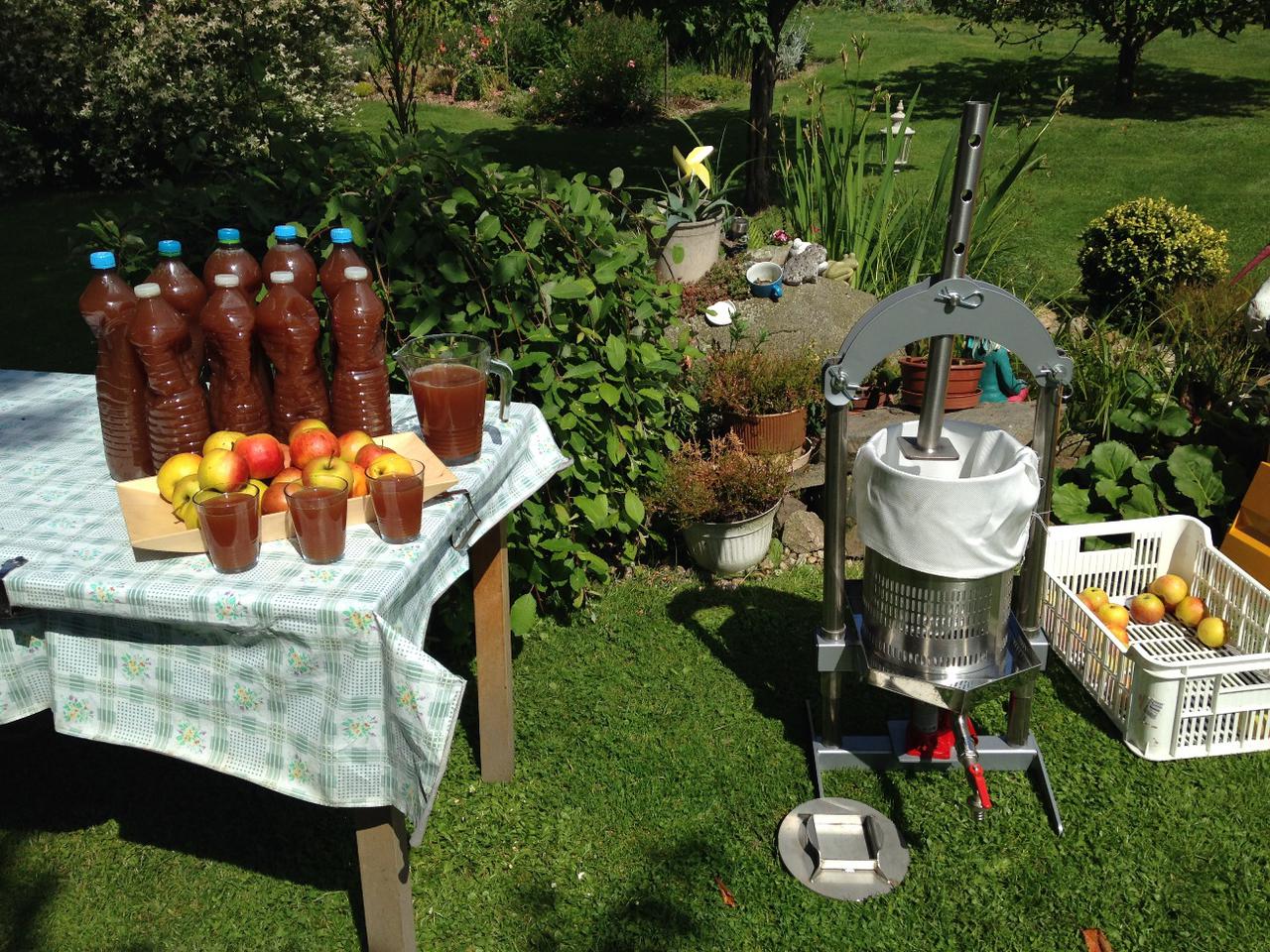
Figure 1.6. Juice press with a jack below the basket VARES, 18 L (Manufacturer: VARES Mnichovice a. s.)
1.2.3. Hydraulic juice press with a screw (with jack and screw)
With the help of the screw, the first stage of juice pressing takes place, when the juice is released under a small applied force. The remaining juice is pressed out using the jack located below.
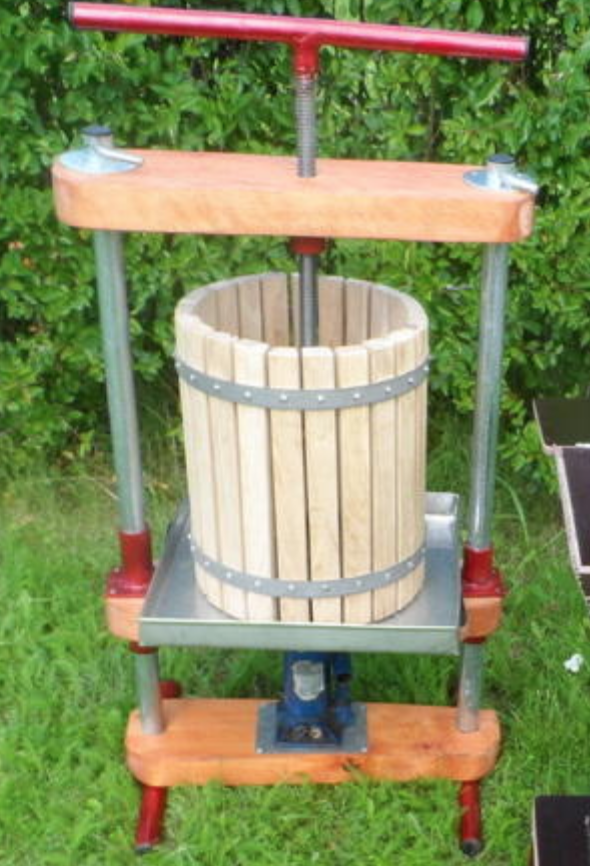
Figure 1.7. Homemade juice press with a screw and hydraulic jack
1.2.4. Juice press with a hydraulic cylinder and manual pump
This design already belongs to an industrial apple press. The frame of such a press contains a hydraulic cylinder as well as a manual pump, with which hydraulic oil is supplied to the cylinder piston. Such an apple press has high productivity and a large basket volume (50, 100, 200 liters and more). Using such a press is very convenient for pressing juice, since the piston stroke length is selected so that it is sufficient for the entire working height of the barrel.
However, due to the more complex design, the price of such a press is much higher, and the design is justified only for professional use — for a direct juice production line or a small winery.
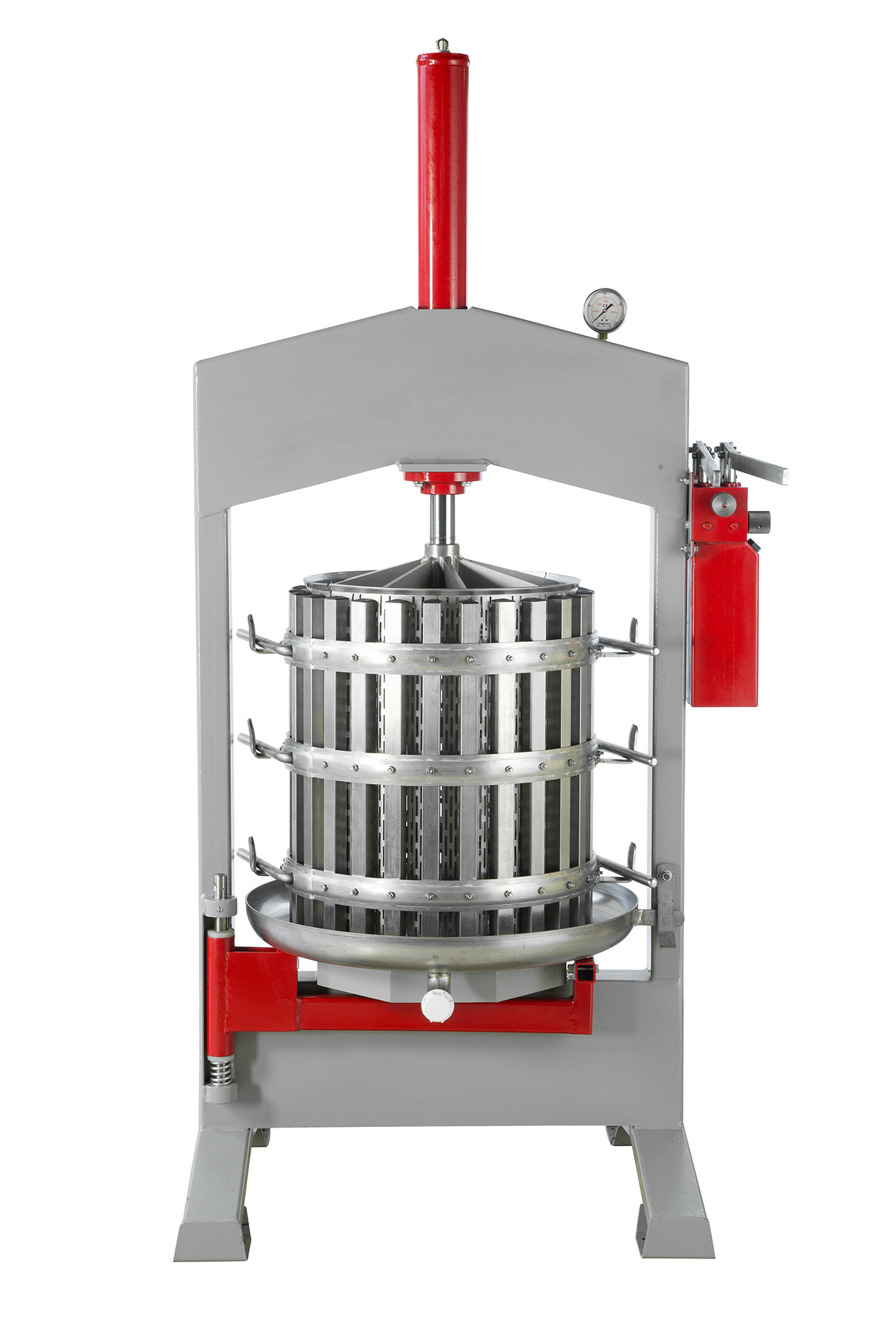
Figure 1.8. Juice press with a hydraulic cylinder and manual pump O.F.B.M. INOX (Manufacturer: Fratelli BAESSO s.n.c.)
1.2.5. Juice press with a hydraulic cylinder and hydraulic power unit
To press juice on such a press, it is enough to press the hydraulic control valve handle and make sure that the juice has time to separate from the pomace and that the nominal allowable pressure is not exceeded.
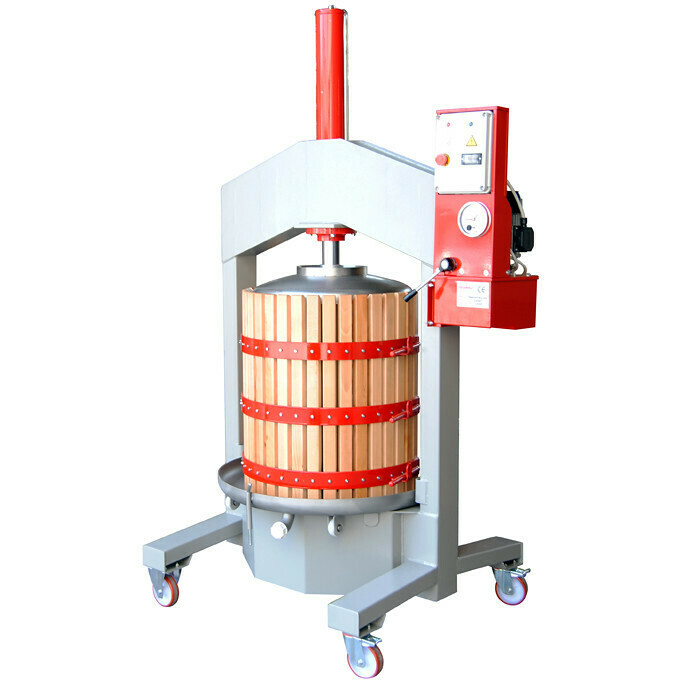
Figure 1.9. Juice press with a hydraulic cylinder and hydraulic power unit O.F.B. INOX (Manufacturer: Fratelli BAESSO s.n.c.)
1.2.6. Juice press with a hydraulic cylinder and automatic pressing function
This is a semi-automatic electric press for grapes and apples. Juice pressing takes place automatically after pressing one button, while loading and unloading of raw material is done manually.
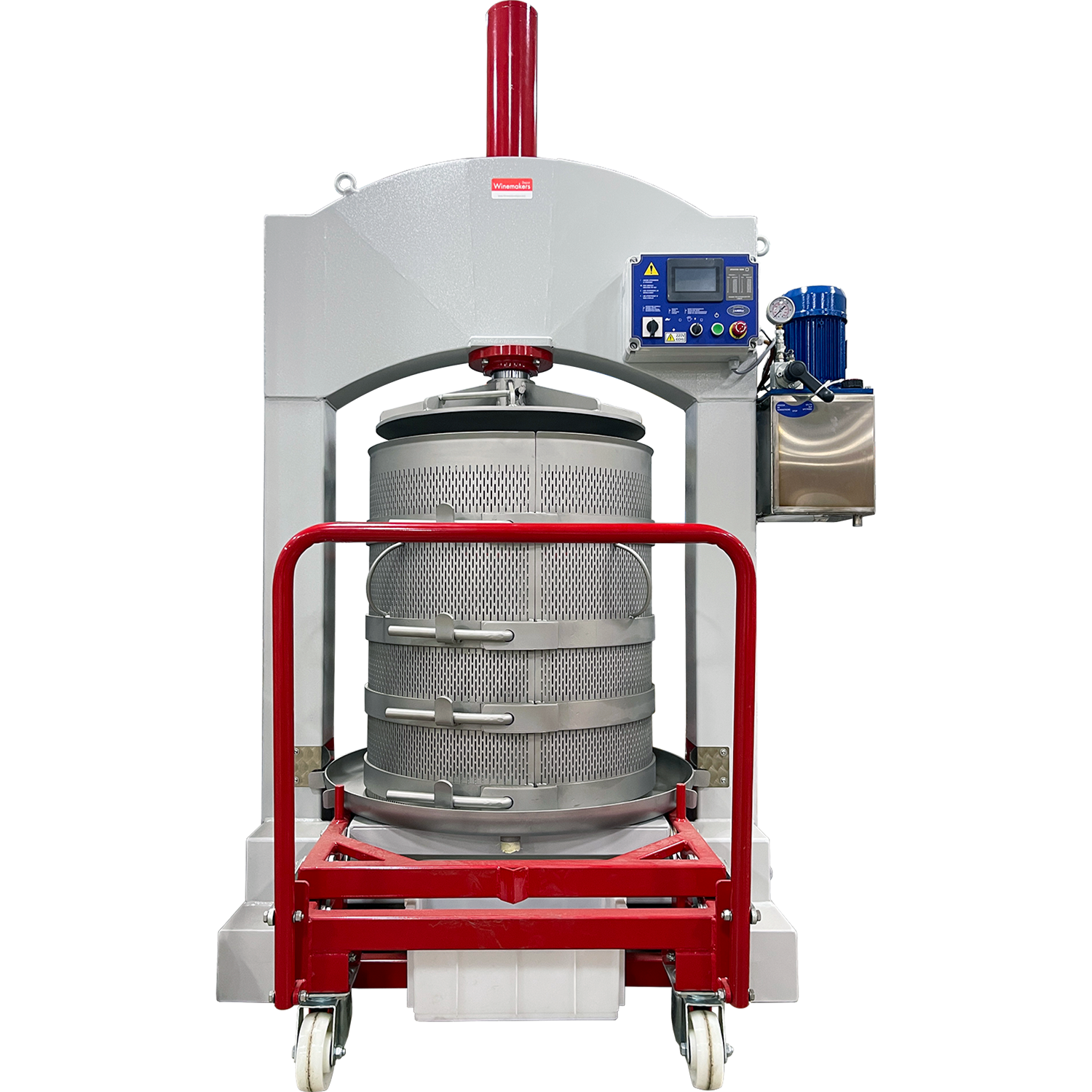
Figure 1.10. Juice press with a hydraulic cylinder and automatic pressing function ATON (Manufacturer: ZAMBELLI Enotech s.r.l.)
1.3. Belt juice press
A belt press works on the principle of continuous juice extraction from crushed apple mass, which is fed onto a moving belt directly from the crusher and compressed between rotating rollers or between two belts. The resulting juice flows into containers located below, and the pomace remaining after pressing is removed.
Belt presses are usually used in automatic direct juice production lines and have a capacity of 400 kg to 3000 kg of apples per hour.
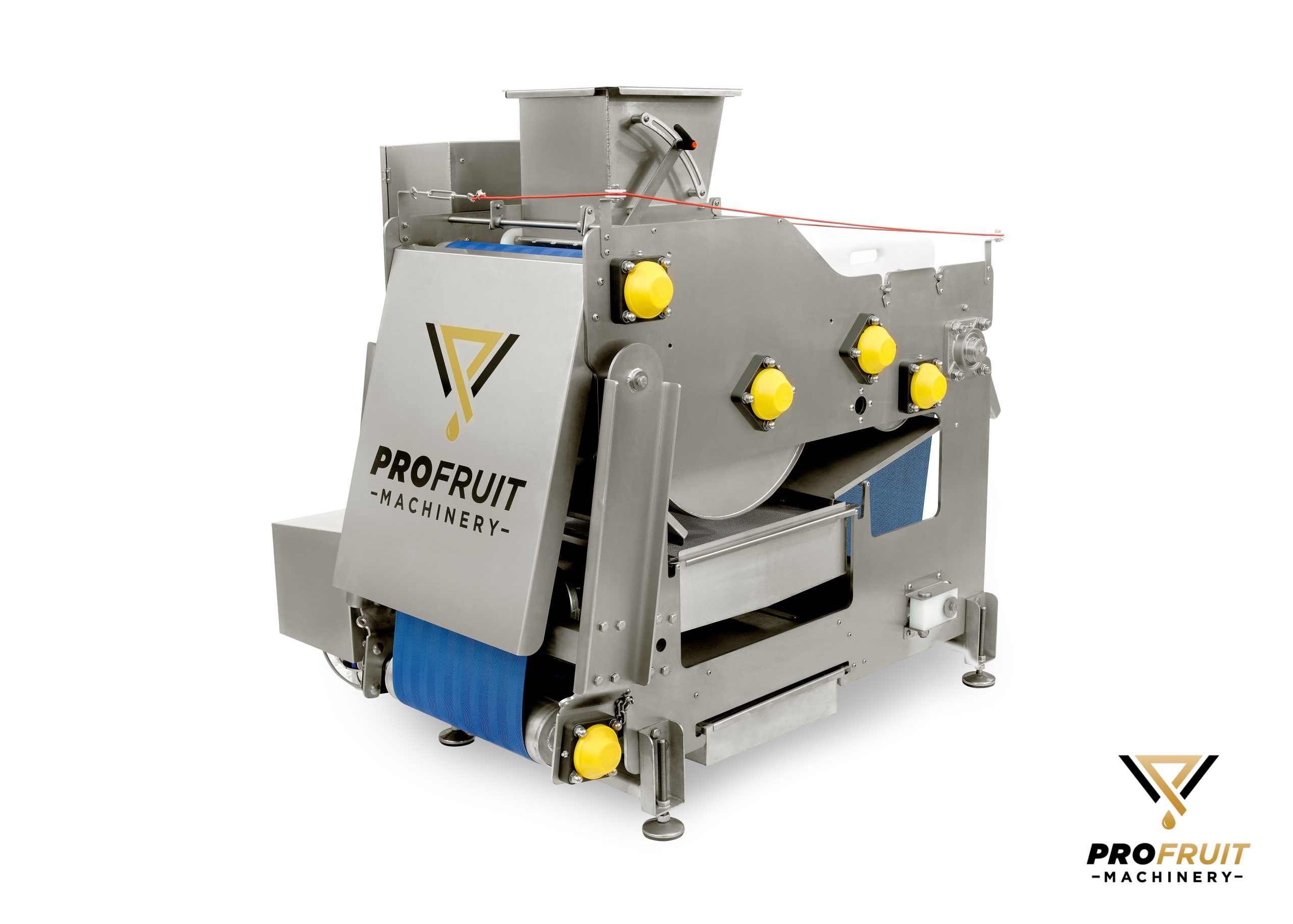
Figure 1.11. Belt juice press POWERPRESS 400 (Manufacturer: JSC “ProFruit Machinery”)
1.4. Hydropress for pressing juice from apples and grapes
Such a press extracts juice using water pressure from the water supply. Crushed raw material is poured into the stainless steel basket, and the lid is closed.
In the middle of the basket there is a rubber membrane which, expanding under water pressure, presses out the juice. The pressing process takes place automatically. The press requires a water supply with a pressure of 2–3 atmospheres.
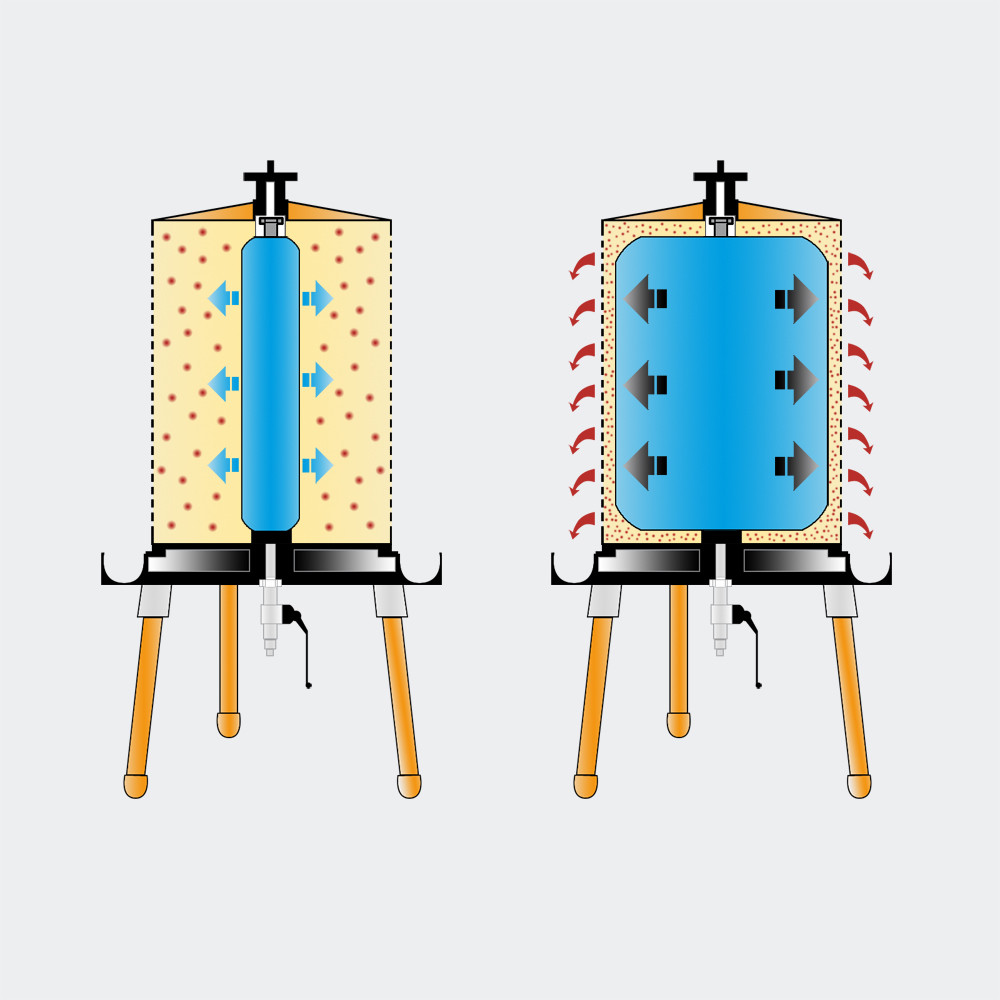
Figure 1.12. Operating principle of a hydropress with a rubber membrane
Such presses for making juice from grapes and apples are produced with basket volumes from 20 to 450 liters. The price of such a 20–40 liter press is several times higher than the price of a similar hydraulic or screw press. Hydropresses also have a lower juice yield than hydraulic apple presses, therefore it is more reasonable to buy a hydropress with a basket volume starting from 90 liters. The membrane of the hydropress wears out over time and must be replaced.
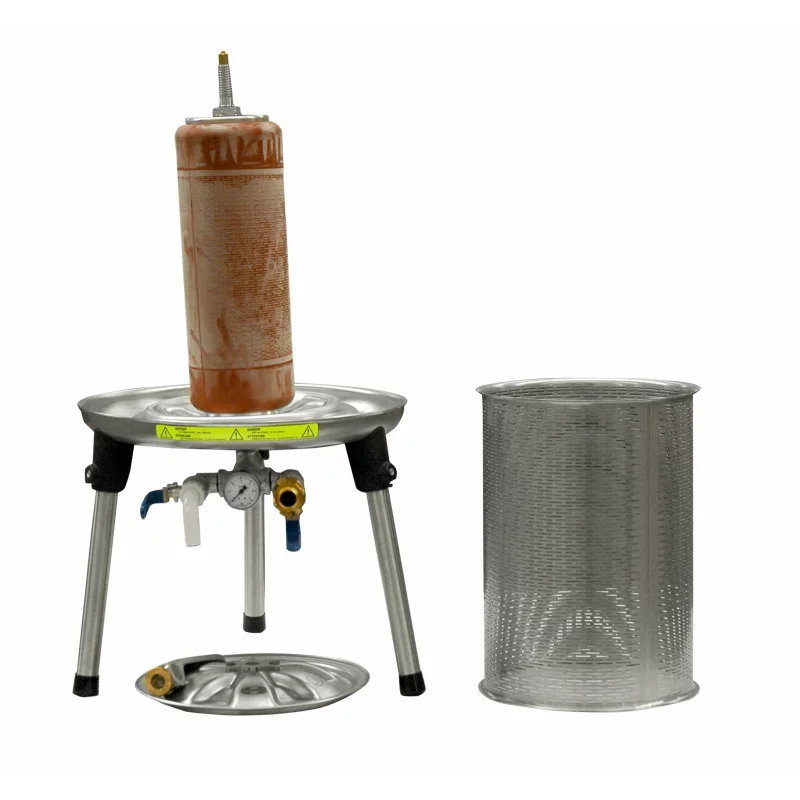
Figure 1.13. SPEIDEL juice hydropress, 20 L
1.5. Pneumatic juice press
The operating principle of a pneumatic press is similar to that of a hydropress, except that compressed air from a compressor is used instead of water to expand the membrane.
1.5.1. Vertical pneumatic membrane juice press
In the middle of the basket of such a press there is a rubber membrane which, expanding under air pressure, presses out the juice.
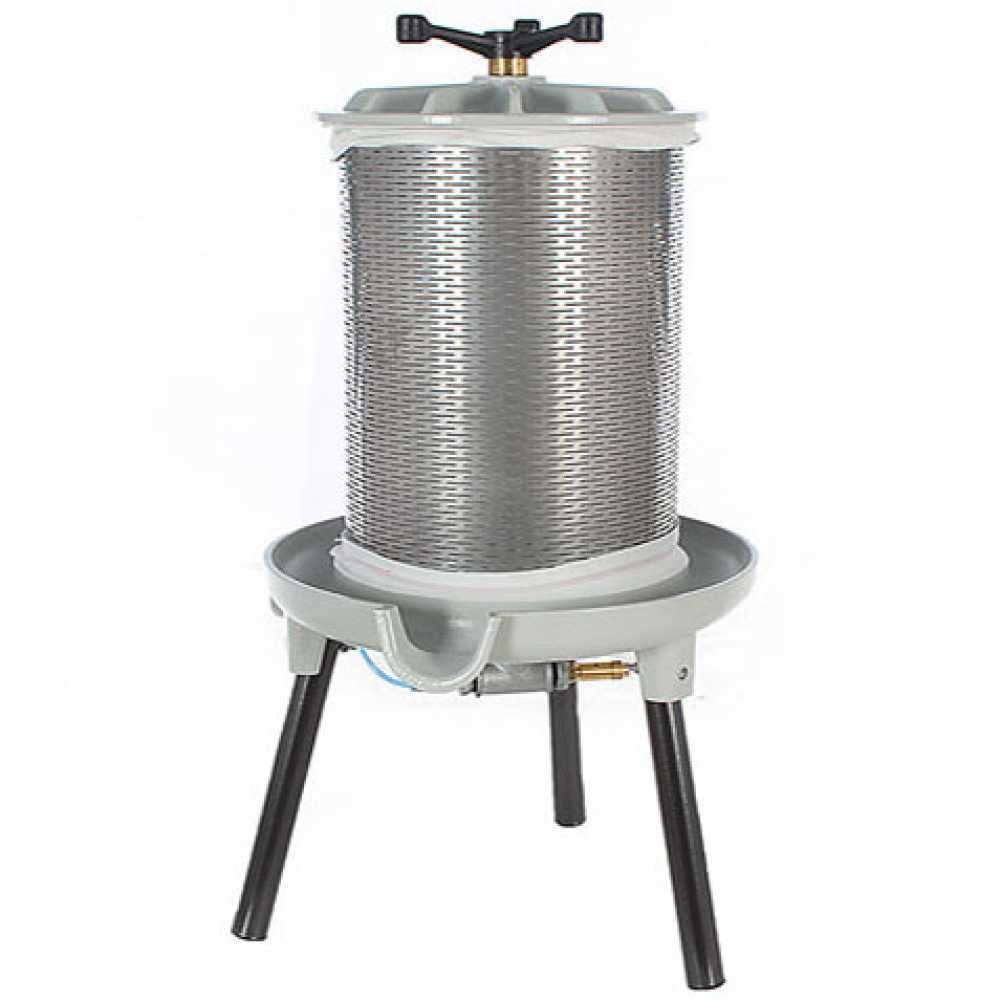
Figure 1.14. Pneumatic juice press PEA40, 40 L (Manufacturer: Grifo Marchetti Srl)
1.5.2. Vertical pneumatic press with an air bag
In this pneumatic press design, an air bag serves as the actuator, which expands under air pressure and presses on the piston of the press. The working air pressure in such presses is around 5–7.5 bar.
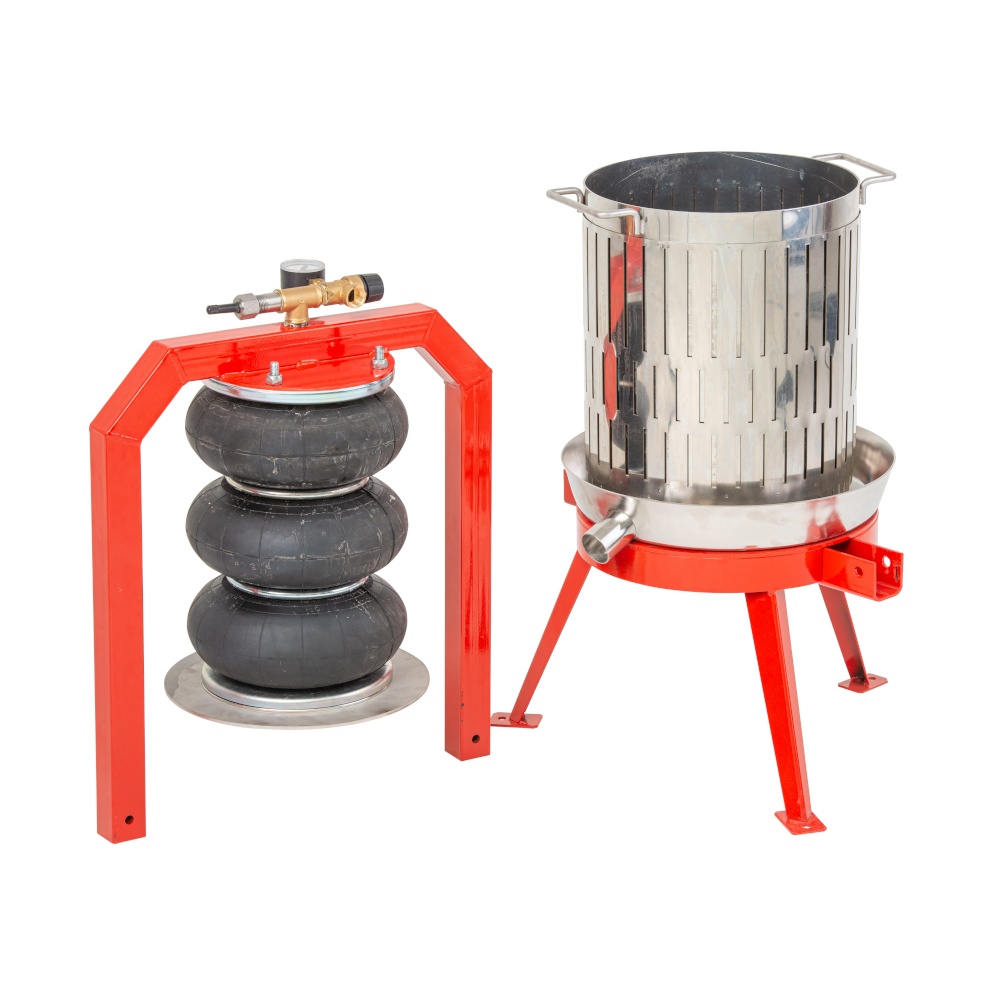
Figure 1.15. Vertical pneumatic press with an air bag "Muromets P", 29 L (Manufacturer: FORKOM LLC)
1.5.3. Horizontal pneumatic membrane press
Membrane pneumatic presses play an important role in the production of high-quality wines. Such presses provide very gentle and controlled extraction of juice from berries or apples, which directly affects wine quality.
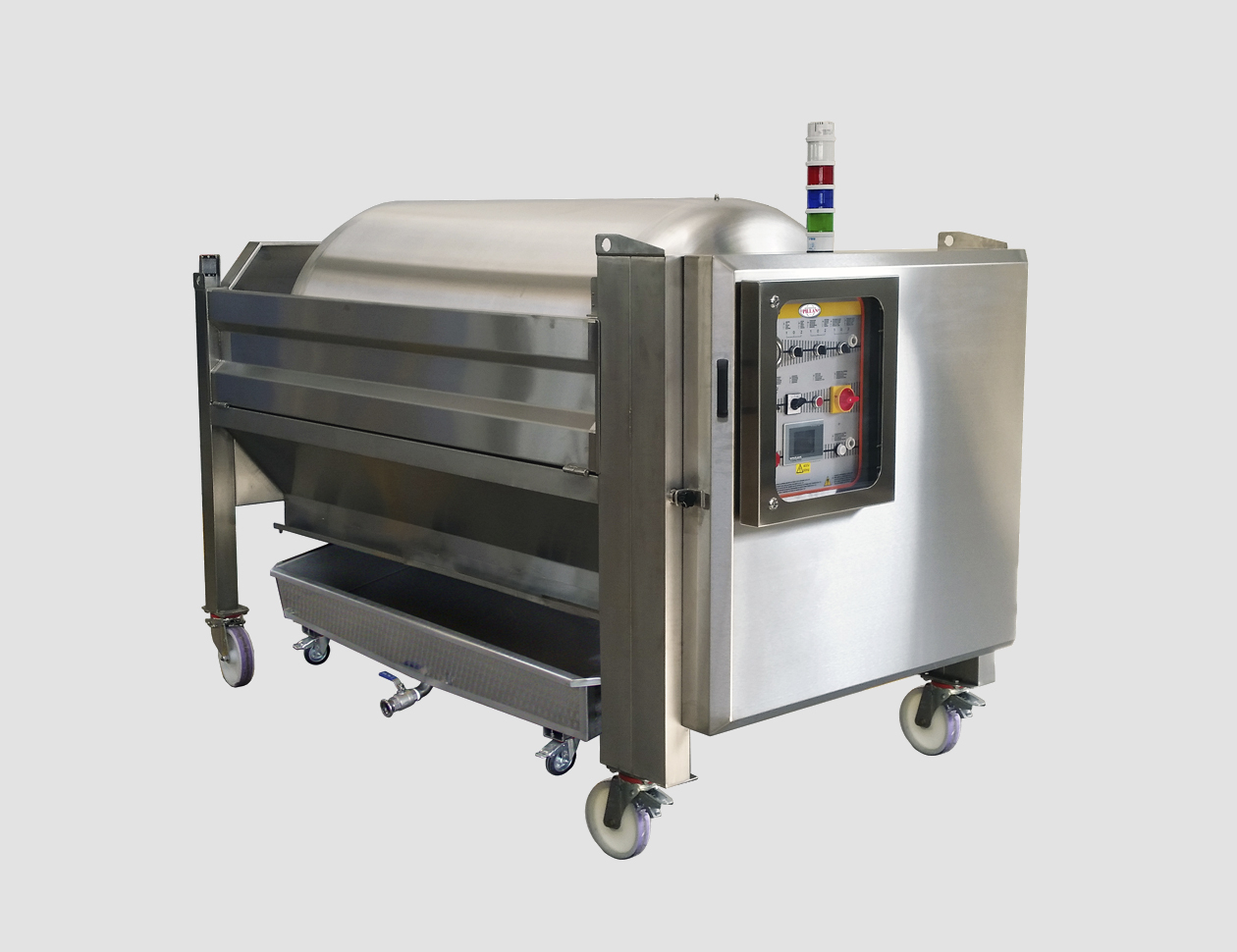
Figure 1.16. Horizontal pneumatic membrane press PN ZETA-S (Manufacturer: ZAMBELLI Enotech s.r.l.)
In a pneumatic press, grape clusters or must are located inside a closed drum, and an inflatable membrane acts on them. The pressure is distributed evenly and gradually, which minimizes the crushing of seeds and damage to the skins. This makes it possible to first obtain “free-run juice” (the most delicate juice), then denser fractions, without mixing them. Closed-type presses can operate in an inert gas atmosphere, which prevents juice oxidation.
A pneumatic press also produces juice with a lower content of suspended matter and solid particles, which reduces the need for additional filtration.
Video 1.2. Using a horizontal pneumatic membrane press
In apple juice production, open-type pneumatic presses with screens (perforated basket) are often used, where slight juice oxidation is not critical.
1.6. Rack-and-cloth juice press
Crushed apples are laid in layers several centimeters thick into cloth bags using a special stainless steel frame. The edges of the bags are folded over, and wooden racks or plates are placed between the bags. A pressing plate is placed on top. Then, using a screw or hydraulics, the packs with the racks are compressed, and the juice flows out between the plates.
1.6.1. Screw rack-and-cloth juice press
A screw with a trapezoidal thread is used to compress the racks. A ratchet mechanism may also be used to make tightening the screw easier.
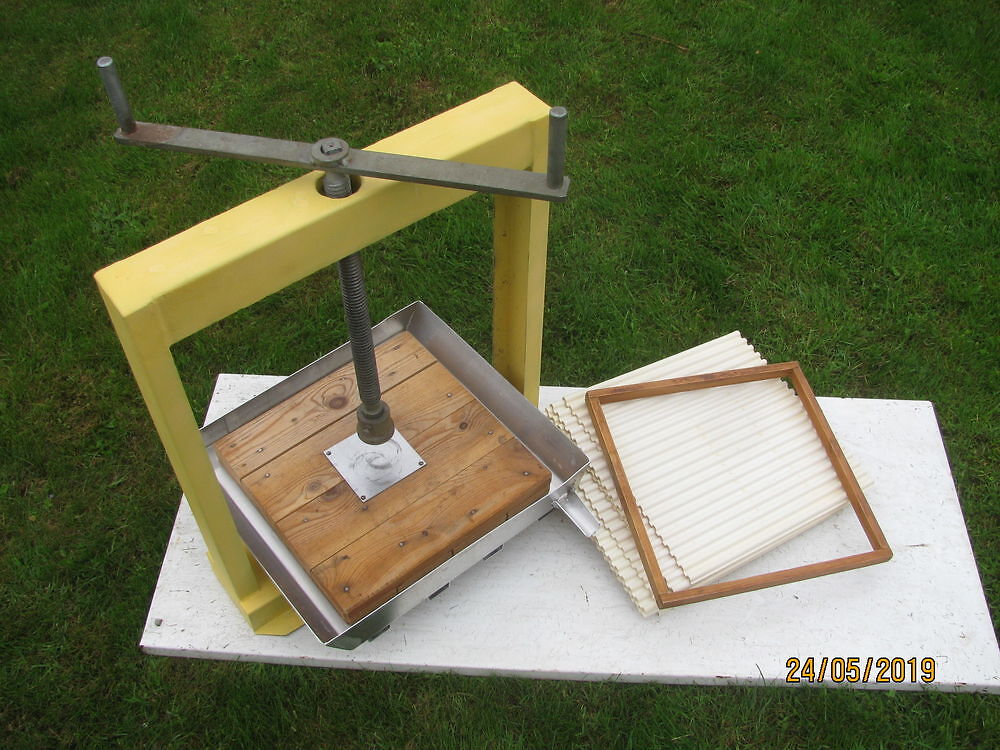
Figure 1.17. Screw rack-and-cloth juice press (Manufacturer: USSR)
1.6.2. Hydraulic rack-and-cloth juice press
In this press design, a hydraulic jack or hydraulic cylinder is used to compress the apple mass, making it possible to achieve greater pressure. This increases juice yield and reduces the labor intensity of the pressing process itself.
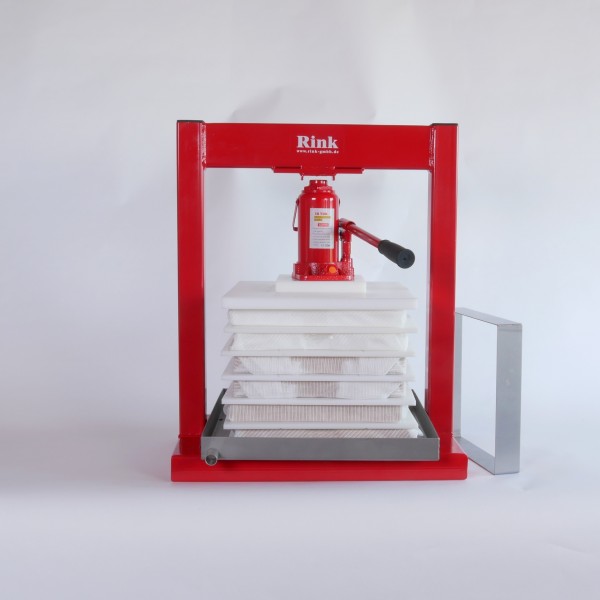
Figure 1.18. Hydraulic rack-and-cloth juice press TP 40 (Manufacturer: Helmut Rink GmbH)
1.6.3. Rack-and-cloth juice press with a rotating platform (with 2 packs)
There are 2 pressing platforms on the rotating mechanism, connected to each other by a tube and a collector for the pressed juice.
While one pack is being pressed, the operator prepares the other pack for pressing. This significantly speeds up operation compared to presses with 1 pack.
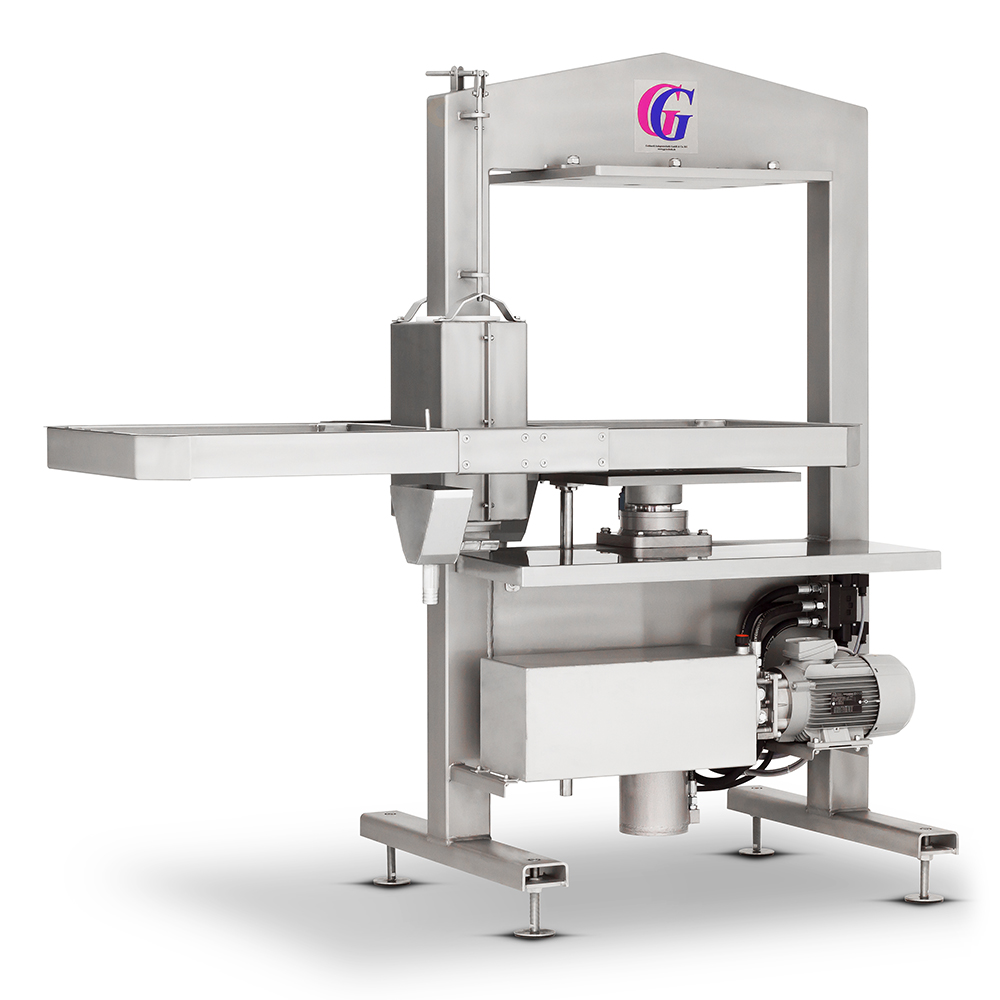
Figure 1.19. Rack-and-cloth juice press with a rotating platform PP80 (Manufacturer: Gebhardt Anlagentechnik GmbH & Co.KG)
1.7. Combined juice press (combined with a crusher)
This press design makes it possible to crush apples directly into the press basket, which saves time when loading the basket. Also, the electric motor driving the crusher disc can be used to drive the oil pump supplying the hydraulic cylinder. Crushing and pressing take place in turns, which makes it possible to use only one electric motor instead of two.
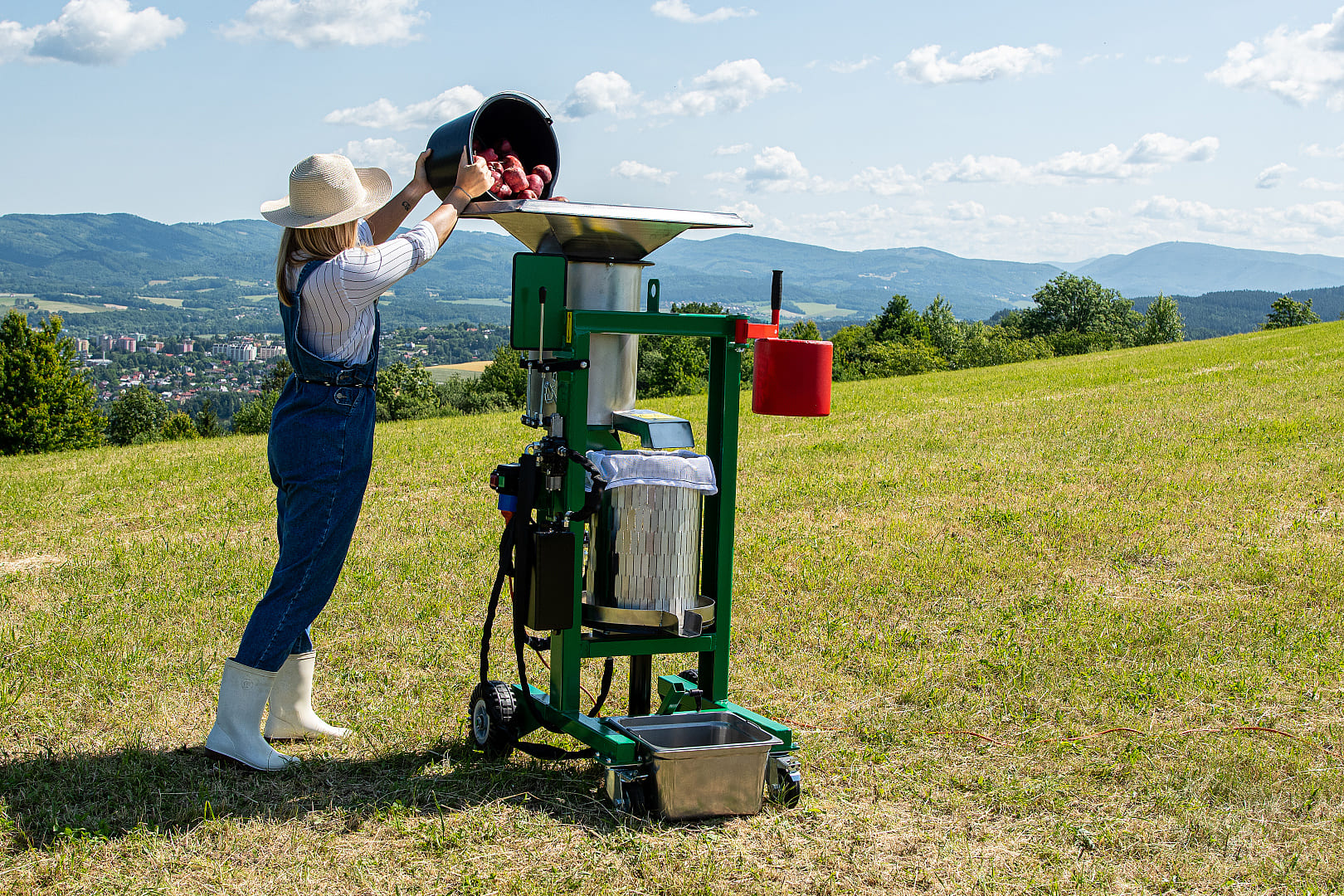
Figure 1.20. Combined juice press KOMBI-30 (Manufacturer: Bystroň - Integrace s.r.o.)
1.8. By basket type, juice presses can be:
1.8.1. Juice press with basket and piston
A filtration bag is placed into the barrel, then the crushed raw material, the edges of the bag are folded over, a piston is placed on top, and the juice is pressed out. The barrel and piston are usually made of hardwood or stainless steel. Wooden presses look more beautiful and atmospheric, but a stainless steel press will be more practical.
1.8.2. Juice press with racks (rack-and-cloth)
This is a press with many racks, between which bags with crushed apples or grapes are placed. The number of such racks can reach 20. However, such a press is not so convenient to use, because laying all 20 layers can take a lot of time.
1.9. By frame design, presses can be:
1.9.1. Juice press with a welded frame
The welded frame ensures rigidity, reliability, and durability of the press. This is the most common and durable frame design, especially if it is made entirely of stainless steel.
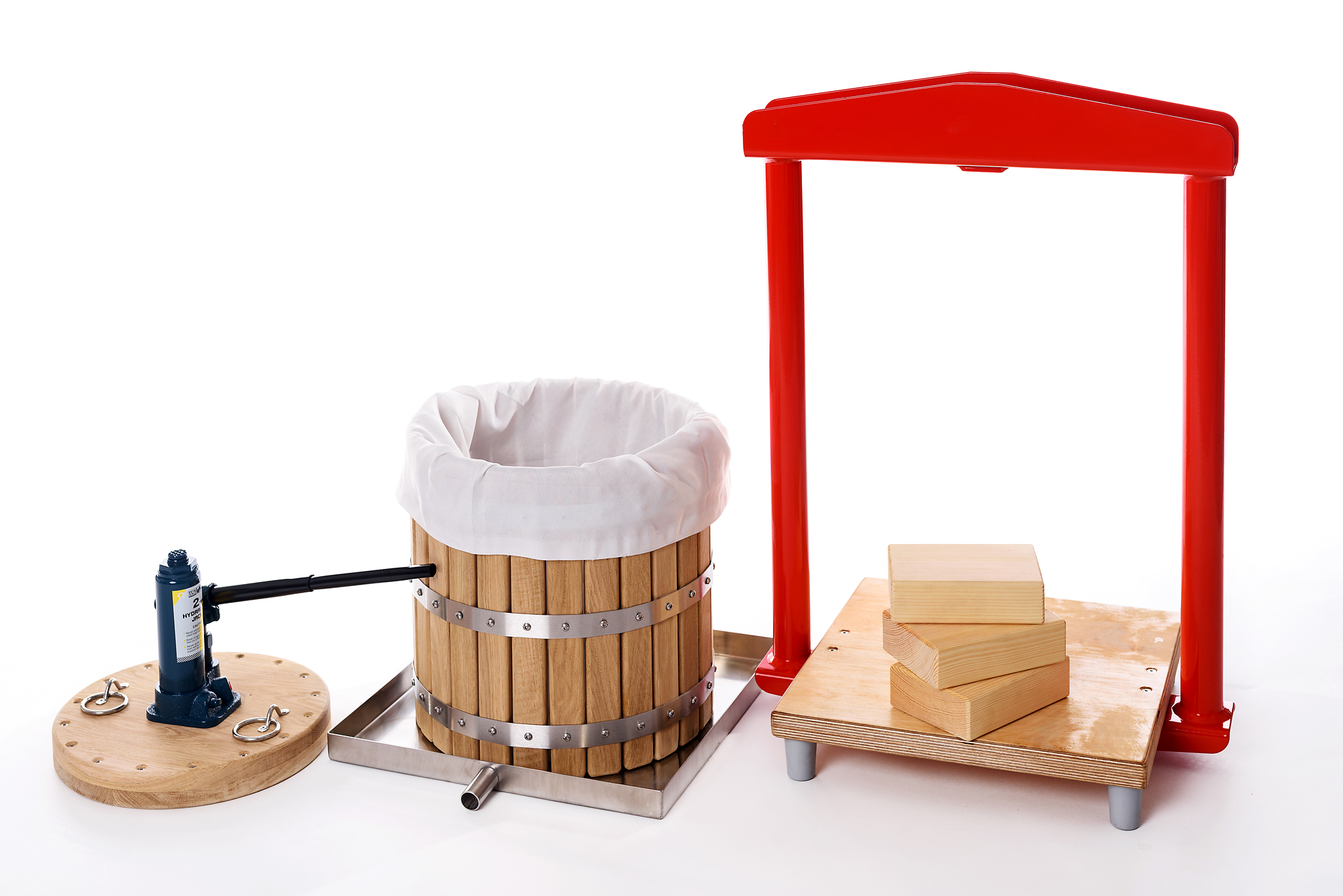
Figure 1.21. Hydraulic juice press with a welded frame GP-26 (Manufacturer: APPLE PRESS LTD.)
1.9.2. Juice press with an assembled frame
This frame design is easy to manufacture and convenient for transportation, but it has lower rigidity. Also, juice sometimes seeps into the gaps between the frame parts, which can cause premature corrosion. A press with this frame design is suitable for personal use (a few times a year), but for commercial purposes it is better to choose a press with a welded frame.
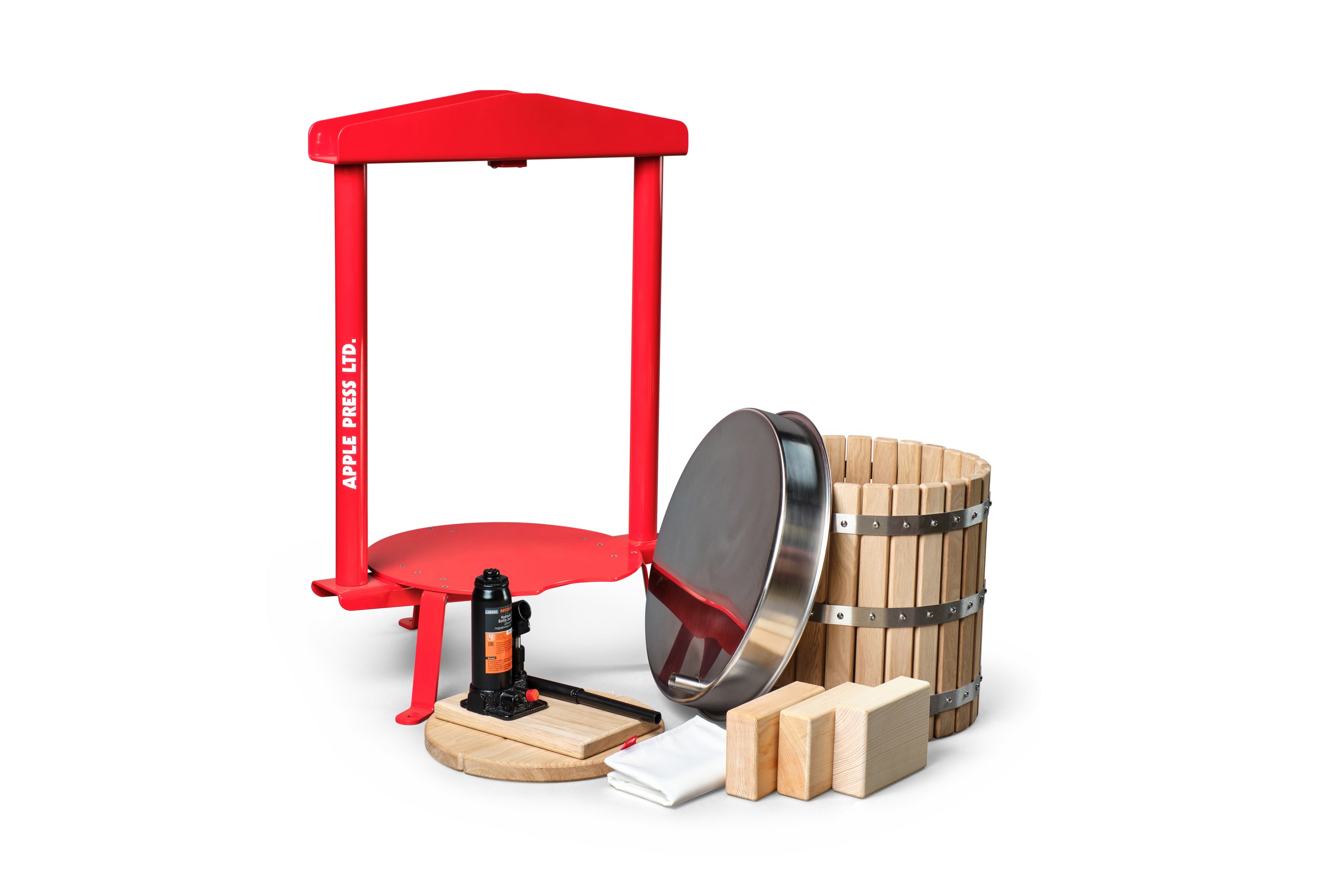
Figure 1.22. Hydraulic juice press with an assembled frame GBP-26 (Manufacturer: APPLE PRESS LTD.)
There are also juice presses with an assembled frame made of wood.
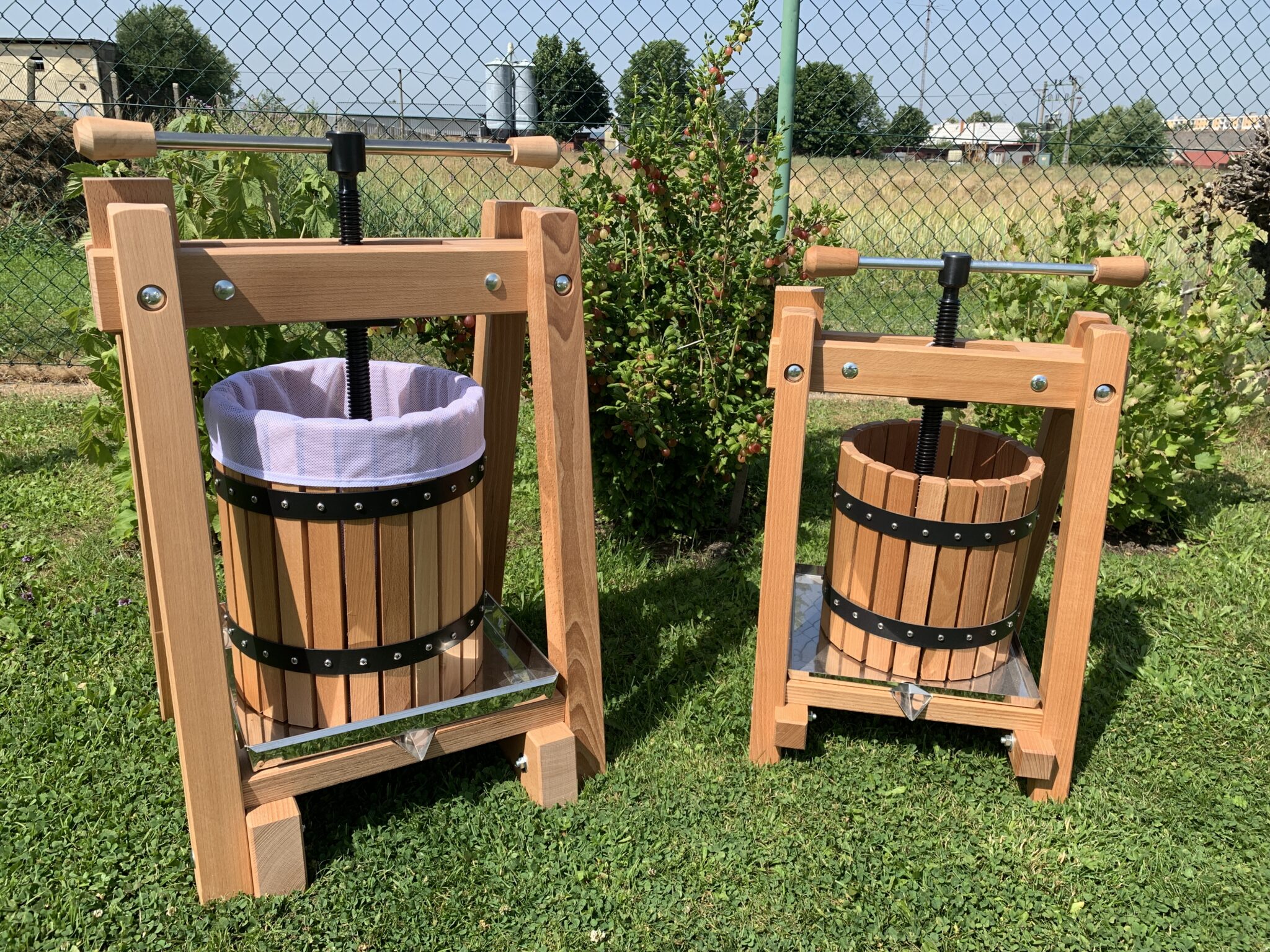
Figure 1.23. Manual juice press with a wooden frame OPP, 40 L (Manufacturer: Oblastní průmyslový podnik Polička, a.s.)
2. CHOOSING A JUICE PRESS
2.1. Manufacturing material
Any part of the press that comes into contact with apple juice must be made of natural wood, stainless steel, plastic, or painted metal.
It is best to choose a press made entirely of food-grade stainless steel grades 08Х18Н10 (AISI304) or 10Х17Н13М2Т (AISI 316). Some parts of the press may be made of oak or beech. These types of wood are highly durable and do not release any harmful substances into the juice.
If the juice collection tray is made of painted metal, the paint will wear out or begin to chip during use, which may lead to the juice contacting unprotected metal. This will give the juice an iron taste. A plastic tray can easily break during use.
2.2. Manufacturing quality
If you are buying a stainless steel press, pay attention to the welds. Heat tint traces (metal overheating) are unacceptable. All welds must be treated after welding, and the protective oxide layer must be restored. This increases corrosion resistance. This process is called passivation.
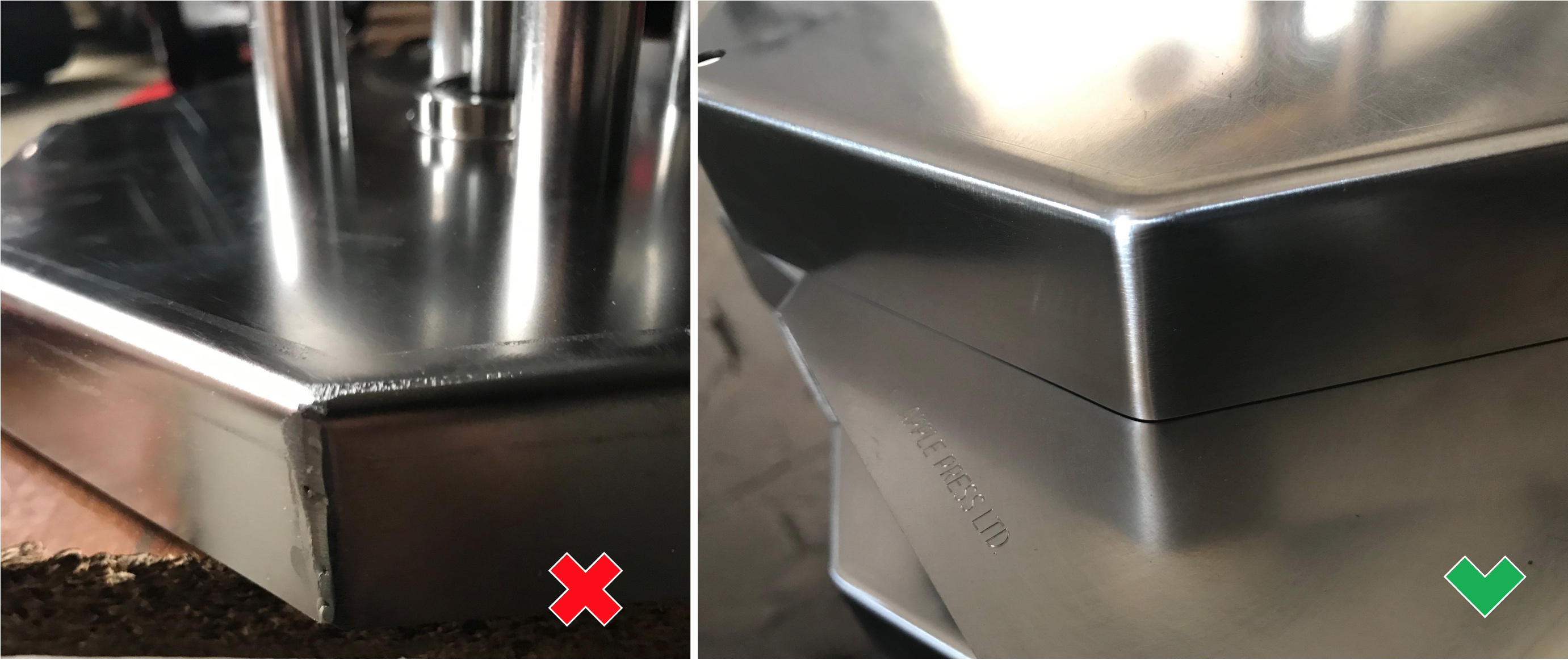
Figure 2.1. Treated weld after welding
It is also worth paying attention to the quality of the weld root. To obtain a proper and high-quality weld, back purging (supplying shielding gas to the reverse side of the weld) is necessary during welding. Otherwise, the reverse side of the weld oxidizes, pores and inclusions appear in the weld root, and corrosion resistance is lost (even with subsequent passivation).
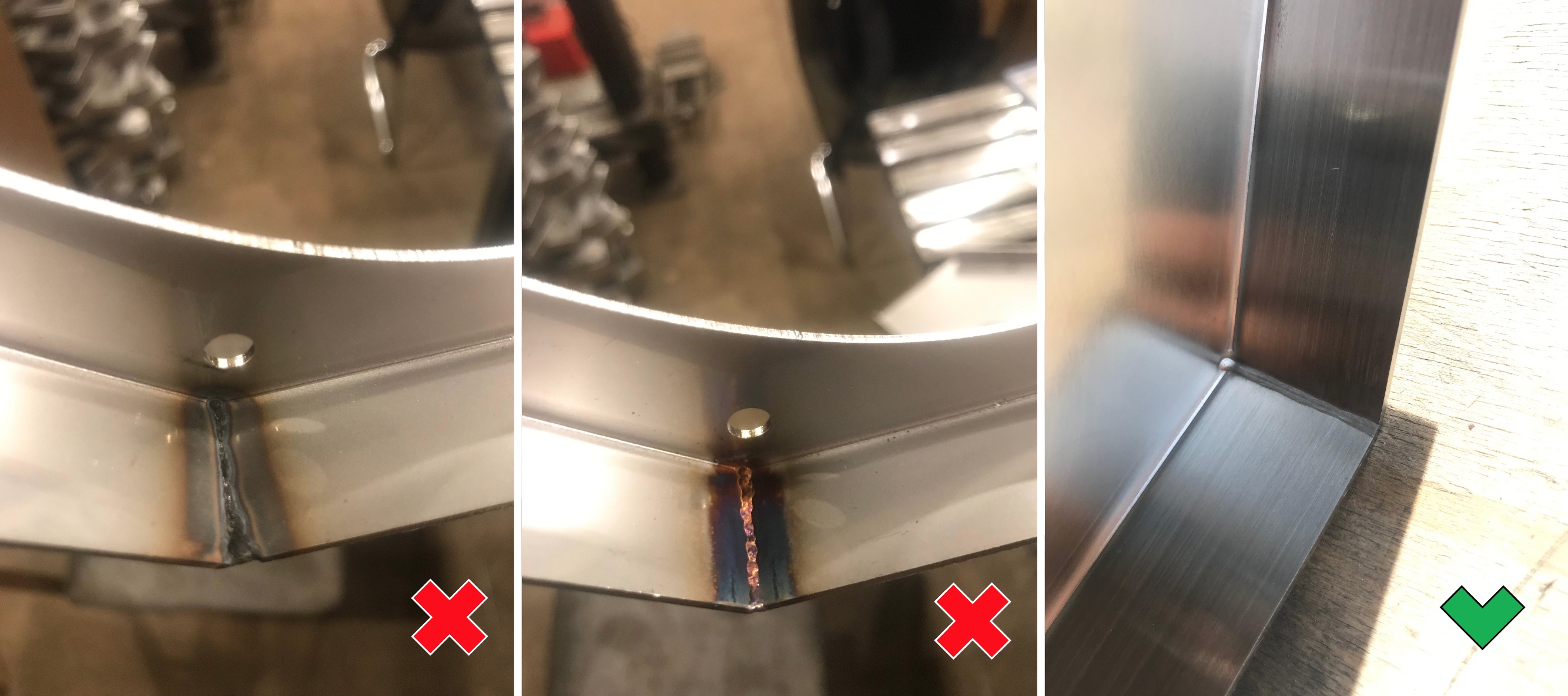
Figure 2.2. Weld root (1 - welding without back purging, 2 - heat tint traces after welding with back purging, 3 - passivated weld root)
There should be no deep grinding marks or scratches on the treated parts of the press. All this can become a source of corrosion and bacterial growth in the future. When in contact with acidic juice, rust may form in such places, and the final product may acquire an iron taste.
In the food and pharmaceutical industries, such welds are considered unhygienic. Microorganisms can accumulate in porous, oxidized areas, which is dangerous. For this reason, stainless steel tanks usually have a mirror-finished inner surface and no corners so that they can be easily washed.
There should be no sharp edges on the metal parts of the press, for example on the frame. Rust traces and deep scratches must be cleaned off, the surface before painting must be roughened and degreased. The weld before painting must be cleaned of scale, spatter, and buildup. The shape of the welds must be uniform, without lack of fusion, pores, or slag inclusions. All this ensures high adhesion of the metal to the paint.
Metal parts must not have unpainted areas, and the coating layer must be sufficiently thick, without foreign inclusions (dust, debris).
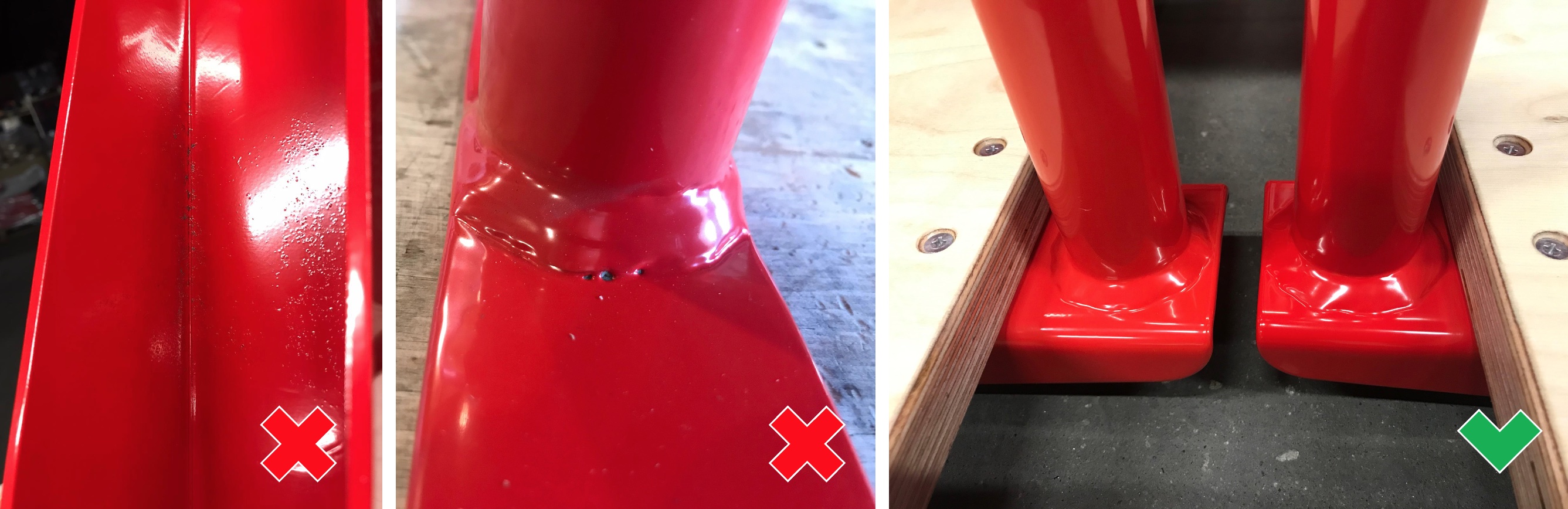
Figure 2.3. Powder coating of the press frame (1 - coating with foreign inclusions, 2 - unpainted areas, 3 - high-quality powder coating)
Wooden parts of the press must be free of cracks and large knots, and the surface must be sanded using a fine grit. In places with wood defects, the part may break under load, and splinters may damage the filtration bag.
2.3. Press design
When choosing a screw press, it is better to choose a frame press design in order to eliminate the possibility of screw lubricant getting into the juice. The thread of the screw press must be trapezoidal. The use of ordinary metric threads is unacceptable.
Hydraulic juice presses are the most convenient and easiest to use. With the help of a hydraulic jack, the necessary pressure for pressing juice can be created without applying much effort.
Hydraulic apple presses have an almost unlimited service life, since only the jack can fail, and it can always be bought at the nearest auto parts store.
When choosing between a screw press and a hydraulic press, the following factors must be taken into account:
- - When pressing juice on a screw press with a barrel volume of up to 10 liters, it is enough to hold the frame with one hand and turn the screw with the other. A screw press with a volume of 10–20 L and more must be fixed with 4 self-tapping screws to a stationary base so that it does not rotate. A hydraulic press only needs to be placed on the edge of a table above the container into which the juice will drain.
- - Using a hydraulic press, greater force can be created with the help of a jack, therefore the juice yield will be higher. However, as the piston moves, boards must be placed under the jack to press the apple mass to the end. The piston stroke is not sufficient for the full height of the barrel, and the jack handle begins to rest against the edge of the barrel.
- - By using a two-stage (telescopic) jack, juice can be pressed in 1 stage without placing wooden blocks under the jack.
- - With the help of a screw press, the pressing process takes place in one stage.
- - It is physically easier to work with a hydraulic press than with a screw press
The rack-and-cloth press has a high juice yield because the apple mass is divided into thin layers during pressing, but the process of forming the layers itself takes a lot of time. Usually there are many apples in the orchard, and the extra 5–10% of juice does not play a significant role. With a basket press, juice can be pressed much faster because loading and unloading the pomace is quick. To increase juice yield, special round diaphragm filters can be used, which divide the apple mass in the basket into thin layers and provide better juice drainage.
Hydropresses have a lower juice yield than hydraulic presses and require connection to a pipeline with a pressure of 2–3 atmospheres.
Stainless steel fruit presses are more practical in use. A wooden basket becomes stained in the color of the juice and absorbs its aroma. Oak also adds a small amount of tannins to the juice (similar to how Calvados acquires its shade and aroma in an oak barrel). Traditional presses with a wooden basket look more authentic, but an oak basket requires more careful maintenance. The wooden basket and piston must be dried after use and stored in a dry room, otherwise mold may appear. Also, with frequent use, the wood absorbs moisture and expands.
2.4. Press basket size
Basically, all juice presses differ from each other only in basket volume and operating principle. The basket volume determines only how much juice you will press at one time. One pressing cycle takes approximately 5–10 minutes. The juice yield is 50–70% of the barrel volume, so you should choose a press based on how much juice you plan to press per unit of time (hour or day).
2.4.1. Press as a souvenir
A tabletop screw press is suitable for pressing a few glasses of juice. Such a wooden apple and grape press is good as a gift or souvenir. It will also become a decoration for your kitchen, because natural wood always adds coziness and warmth to the home.
2.4.2. Press for the kitchen
If you do not plan to prepare a lot of juice, but simply want to treat yourself to delicious juices during the summer, then a screw press with a basket volume of 3–5 liters will be enough for you. Such a press takes up little space and can be freely used in the kitchen.
2.4.3. Press for the cottage
If you want to prepare 30–50 liters of juice for the winter, a screw or hydraulic press with a 10–12 liter basket will be quite enough.
2.4.4. Press for the garden
If you have a small orchard and plan to prepare juice for the winter and make wine, then in this case it is better to choose a 20–30 liter juice press. In one pressing cycle, you will get 1–2 buckets of juice. This basket volume is the most popular among summer residents and amateur winemakers.
2.4.5. Press for small-scale juice production
If you have a large orchard and are going to make juice for sale, then you need a press of 50 liters or more. With such a press, you can extract more than 200 L of juice per hour.
2.4.6. Press for a direct juice production line
For industrial juice production, it is best to choose a belt press or a hydraulic press with a large-volume basket.
2.5. Packaging
No matter how good an apple press is, unreliable packaging that results in the product being damaged during delivery can spoil your impression of the purchase.
Pay attention to the packaging of the apple press. The press must be packed in a box made of strong cardboard, the product must be securely fixed, and all voids must be filled with inserts made of polyethylene foam, cardboard, polystyrene foam, or other filler. Shock-resistant packaging must be designed to pass through dozens of logistics centers and reliably protect the press from impacts and falls during transportation. Large and heavy presses must be transported only on a pallet.
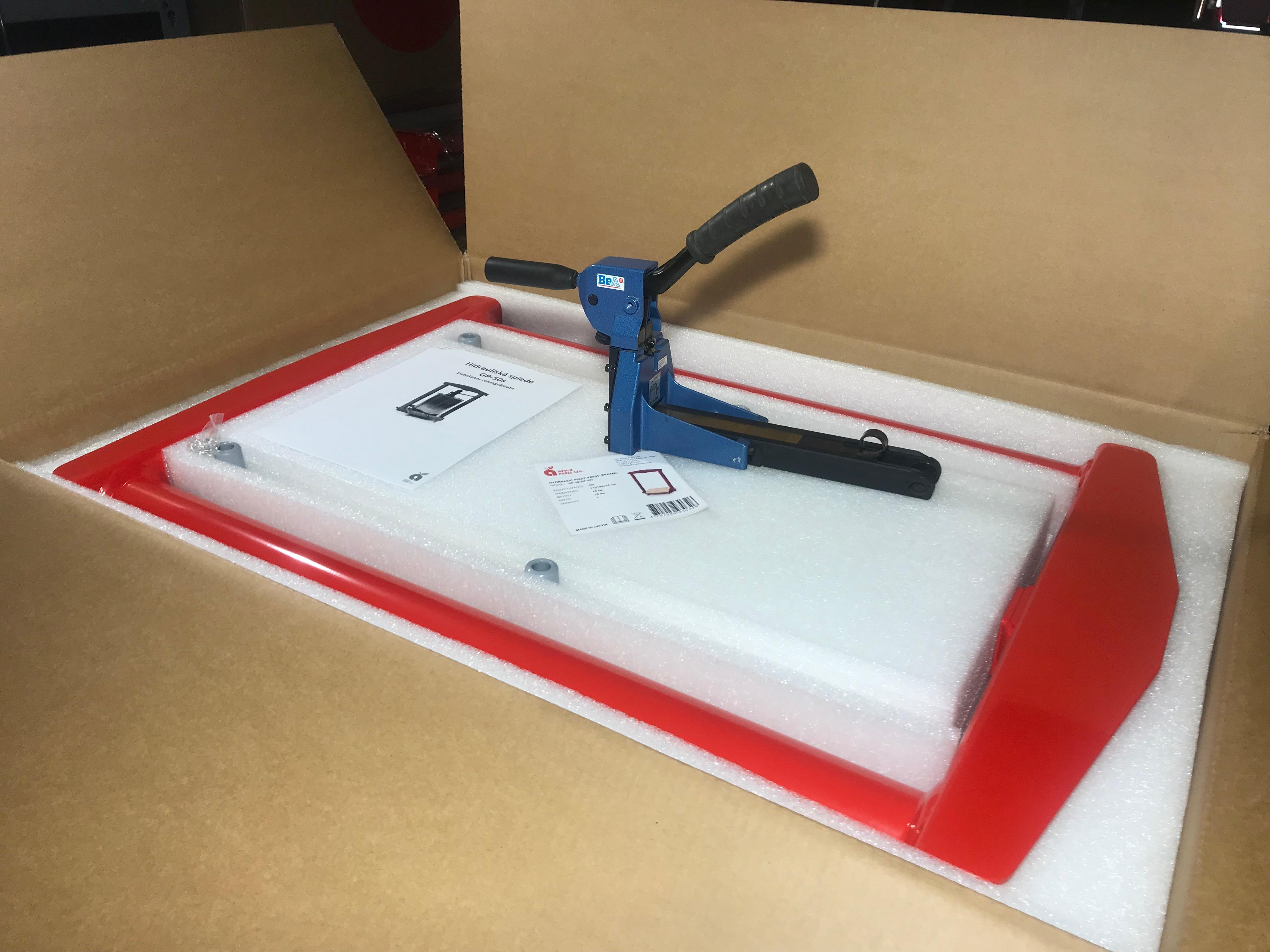
Figure 2.4. Packaging of the GP-50s hydraulic press frame (Manufacturer: APPLE PRESS LTD.)
It is also worth paying attention to the environmental friendliness of the packaging. It is best if the box is fastened with iron staples rather than tape. Plastic tape interferes with the subsequent recycling of cardboard. Shock-absorbing inserts should be made of cardboard (for example, honeycomb) or polyethylene foam. There are far fewer collection points for polystyrene foam, and it often has to be thrown into the container for unsorted waste. In this case, it simply ends up in a landfill and is not subsequently recycled.
And of course, from an environmental point of view, it is better to buy a higher-quality apple press right away. It will serve you for many years and can be passed down from generation to generation.
Buy a press for apples and grapes
Choosing a crusher for apples or grapes
To use a juice press, preliminary preparation of the raw material is required, namely crushing (grinding). For this purpose, there are special crushers and grinders for fruit and grapes.
Read here about how to choose a crusher for apples and grapes:
Which apple crusher should you choose?
Which grape crusher should you choose?
© APPLE PRESS LTD. All rights reserved.
Copying, distribution, and use of the text, images, or any other materials from the website without the written permission of the copyright holder is prohibited.
