How to properly collect birch sap
Where is it allowed to collect birch sap?
Every resident of Latvia is allowed to collect birch sap for free in the forests owned by LVM (Latvijas Valsts Meži), only for personal use, by drilling 1 hole. At the drilling site (up to 50 centimeters from the ground), the tree must be at least 40 centimeters in diameter.
The nearest forest for sap collection can be found on the official LVM map:
https://www.lvmgeo.lv/kartes
Or by downloading the LVM GEO Mobile app.
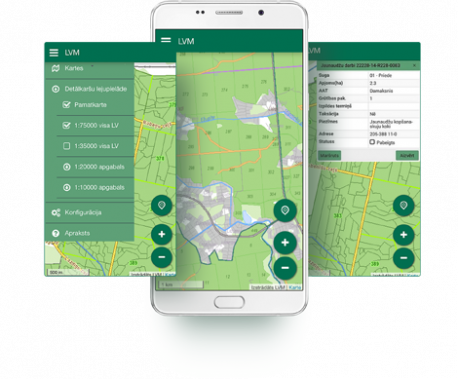
Figure 1. LVM GEO Mobile App
It is prohibited to collect sap in urban parks, nature parks, and protected areas. It is not recommended to collect sap from trees located along highways, railways, and near residential complexes.
Collecting birch sap on private properties is not restricted by law.
What terrain to collect birch sap?
Birch sap should be collected in the forest, preferably in a birch grove, rather than from a solitary tree. It is not advisable to collect sap in marshy areas.
Depending on the habitat of the birches, the taste qualities of the sap may vary. Factors such as sunlight, soil, neighboring trees, and the time of collection affect the taste of the sap.
When to collect birch sap?
Collecting sap begins at the end of February-March (depending on the region), when the buds start to swell, and ends when the leaves unfurl. The best time for sap collection is during the daytime from 12:00 to 18:00.
At the end of March, the sap is more watery. In April, when the bud opening process begins, the sap contains more microelements and sugars.
Collecting birch sap
Choose the sunny side of the tree – it wakes up earlier and produces more sap. You can drill 1-2 holes in one tree, very rarely 3.
- trunk diameter of at least 20 cm – 1 hole
- trunk diameter of at least 40 cm – 2 holes
IMPORTANT! This rule can be followed on your own property. In LVM forests, only 1 hole can be drilled with a trunk diameter of at least 40 cm.
1) Drill a hole at a height of about 50 cm from the ground.Drilling depth – about 5 cm (including the bark). For trees with thick bark, the drilling depth can reach 6-6.5 cm. To control the drilling depth, it is advisable to use a depth limiter.
The drill diameter should not exceed 8mm. The smaller the hole, the less harm is done to the tree, and the faster the resulting wound heals. The optimal hole diameter is about 7mm – sufficient for sap collection and causing minimal harm to the tree.
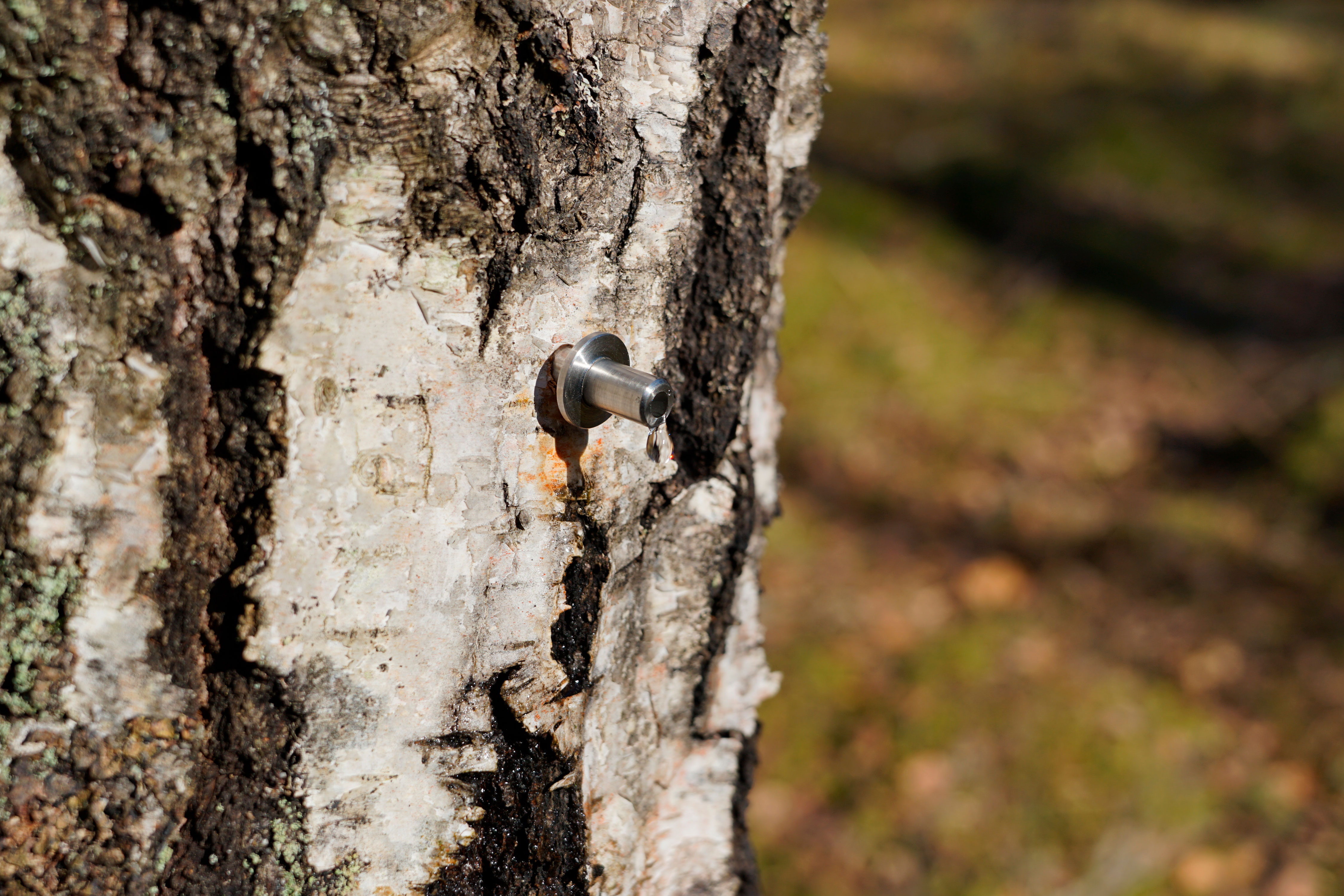
Figure 2. Stainless steel spout for collecting birch and maple sap (Manufacturer: APPLE PRESS LTD.)
The drilling angle should be about 90 degrees with a slight tilt towards the ground. A cordless drill or screwdriver should be used to drill the hole. A manual drill can also be used. In this case, you won't have to worry about battery charging, and such a drill takes up less space in a backpack and is lighter. However, using a manual drill makes it much harder to maintain the necessary drilling angle, which can lead to an oval hole. An oval hole cannot provide the necessary tightness.
For drilling accuracy, the Canadian company CDL produces a special device (Precision Tapper) that allows for perfect holes and eliminates the possibility of leakage. This is very important for the vacuum method used for industrial sap collection.
2) Insert the sap collection tube into the drilled hole using a small hammer.Remember that the tube is not a nail, and it should be tapped in with gentle wrist strikes to avoid splitting the tree trunk and deforming the tube. One side of the tube should have a conical shape to fit snugly in the hole. It is best to use a stainless steel tube, as it will never break in the tree trunk unlike plastic ones. Also, metal tubes are easier to disinfect before use by boiling them in water. After all, bacteria pose the greatest danger for collecting birch sap.
Another tip — sterilize the drill before each change of tree to avoid transferring fungi and diseases from one tree to another. Proper sterilization of the drill requires a bottle of alcohol with a spray nozzle.
Avoid drilling holes close to old holes. It is customary to drill a hole 20 cm to the right of the mark from the previous year.
Indeed, in addition to the obvious wound on the trunk, each hole creates a vertical stripe of dark wood that no longer allows sap to circulate. This stripe is 20 to 50 cm high on both sides of the cut and 10 to 15 cm wide.
Therefore, if you plan to collect sap from the same trees for a long time, it is worth marking the newly made hole with paint or a button with a colored head and changing the color each year. In this case, you will easily recognize the location of last year's hole when returning to the tree for the next season.
3) Set up a container for collecting sapYou can use the following as a container for collecting sap:
- plastic bag with a special holder
- glass bottle with a swing top
- PET bottle from drinking water
- plastic bucket
- glass bottle or jar
- bucket with a side hole (traditional container for collecting maple sap in Canada)
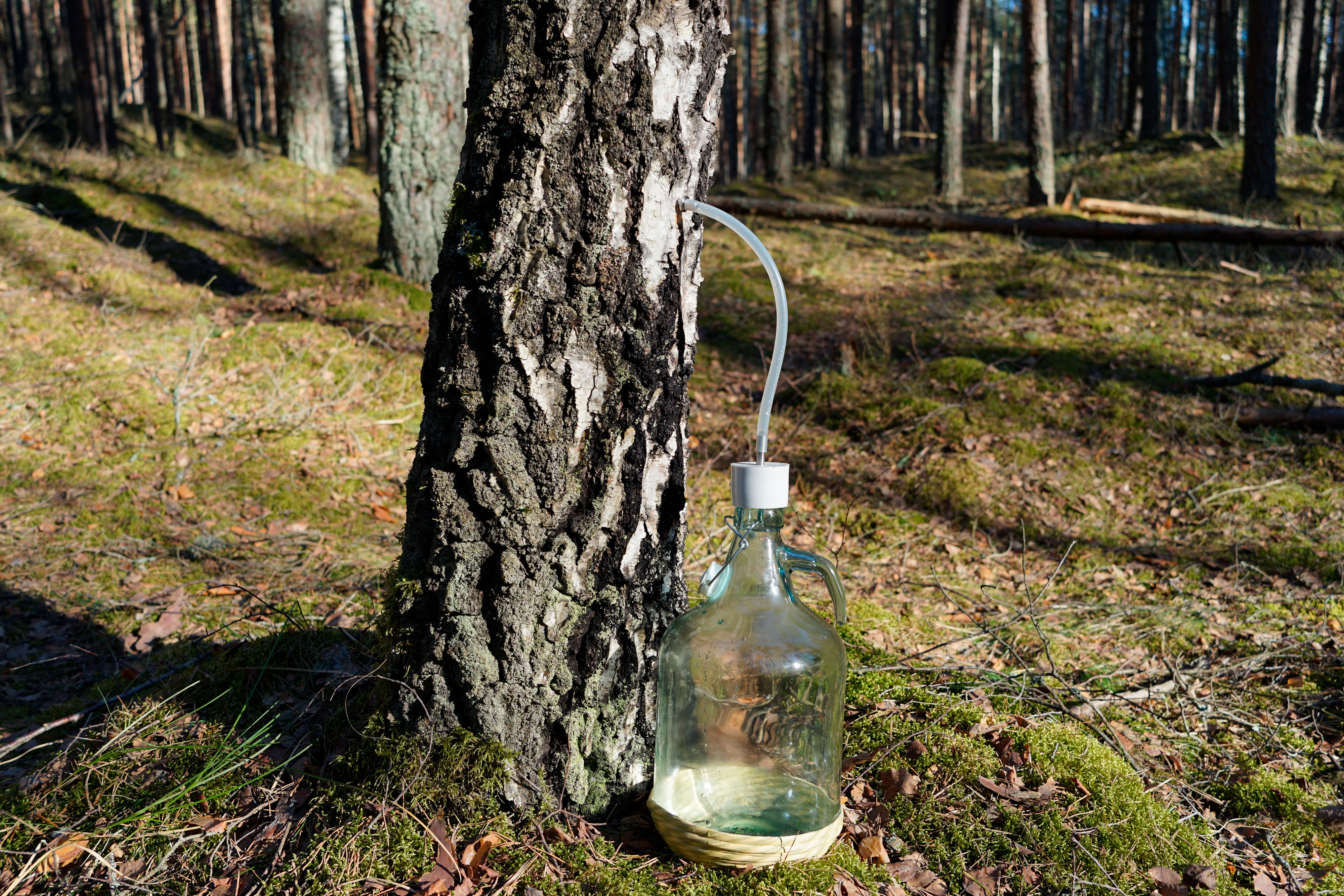
Figure 3. Collecting birch sap using a stainless steel tube, silicone tube, and glass bottle
The sap collection tube usually has a protrusion or hook on which you can hang the bottle by the metal loop, the bag holder, or another container. The metal tube must be connected to the container using a silicone tube of the required length. The lid of the container should have a neat hole for the tube to limit contact with air and prevent insects from getting inside, as the sweet nectar quickly attracts insects. The sap collection container should be placed in the shade and not left for more than 6 hours, as on sunny spring days the sap can quickly ferment.
In one day, about 5-6 liters of sap can be collected from one hole. After that, the daily volume of sap collected will decrease. To mitigate the decrease in sap volume, it is necessary to minimize the contact of the hole with oxygen, as it is oxygen that triggers the process of clogging the sap-conducting channels around the hole.
In a good season, up to 50 liters of sap can be collected from a tree. The yield depends on the season, the size of the trunk, and weather conditions.
4) After the sap collection is finished, carefully remove the tube from the tree trunk without lifting or damaging the bark.The hole must not be plugged with a foreign object (twig, wooden dowel, garden paste, or moss), as this will slow down the healing process and may cause the tree trunk to rot. Also, never treat the hole with alcohol to disinfect the tree wound. In this case, the wound will completely heal within 1-2 years. After all, the tree knows how to heal its wounds.
Video 1. How to properly collect birch sap (Author: Latvijas Valsts Meži)
Storage
Store the collected sap in the refrigerator for no more than 2 days.
In pasteurized form, the sap can be stored for 1-2 years.
Frozen sap will retain most vitamins and minerals.
What can be made from birch sap?
- sparkling wine from birch sap
- birch sap syrup

Figure 4. Product range of BIRZĪ (Latvian producer of drinks and syrups from birch sap)
Necessary equipment for sap collection:
- Drill with a depth limiter
- Manual or cordless drill
- Tube with a cone
- Hooks for hanging the sap container
- Hammer
- Silicone tube
- Containers for sap
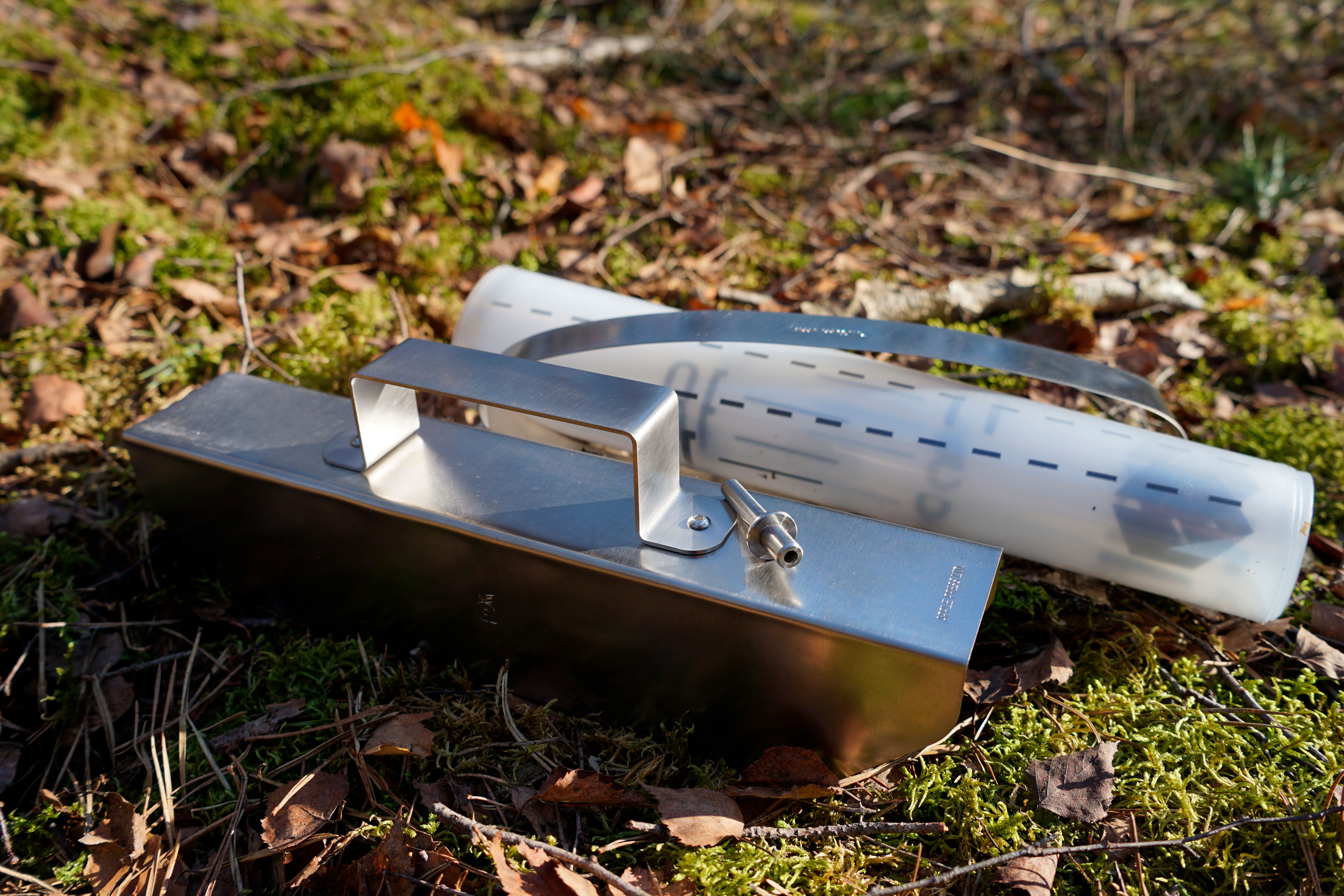
Figure 5. Birch and maple sap collecting kit BS-2 (Manufacturer: APPLE PRESS LTD.)
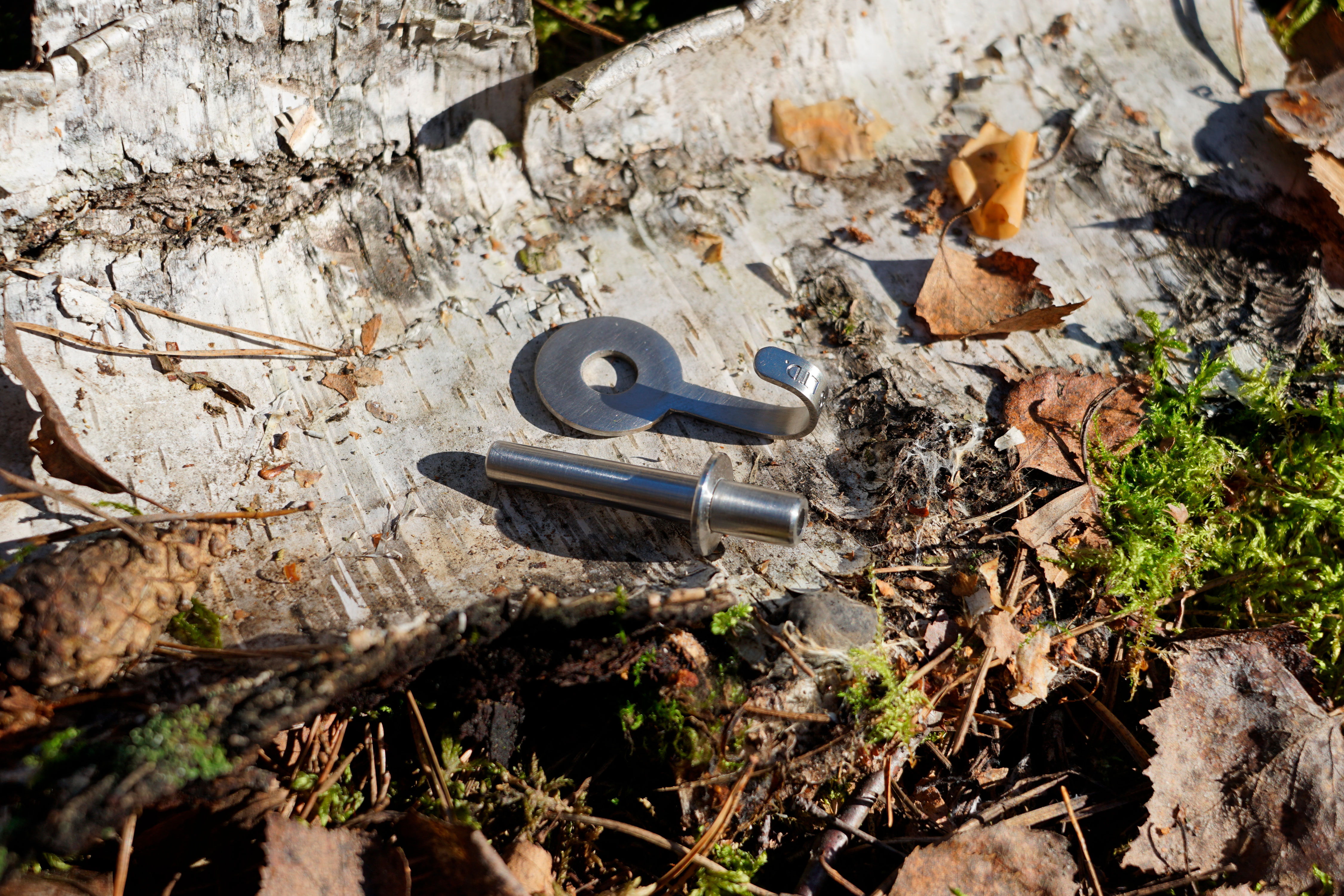
Figure 6. Stainless steel tube with a hook for collecting birch and maple sap (Manufacturer: APPLE PRESS LTD.)
This is interesting!
You can also collect maple sap, beech tree sap, ash sap, and nut sap (from walnut, black walnut, and Manchurian walnut trees). The manufacturer of wood syrups claims that properly cooked nut syrup surpasses even the best maple syrup in taste characteristics!
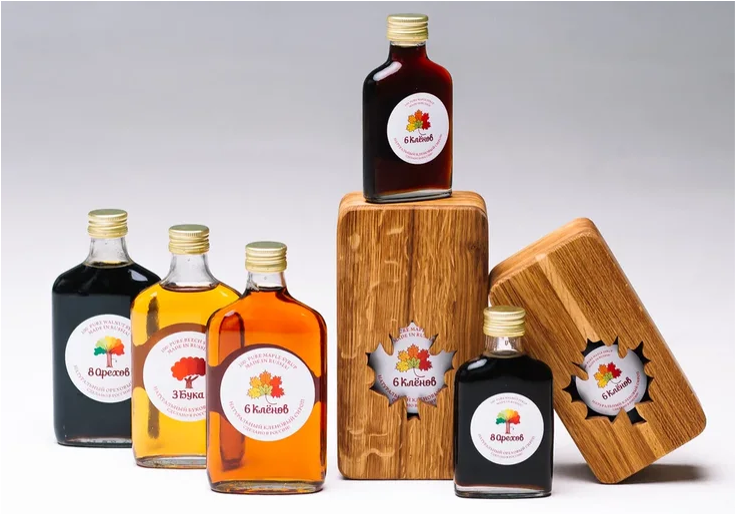
Figure 1. Product range of “6 KLEONOV” (Russian producer of birch, maple, nut, and other wood syrups)
This article is based on the legislation of the Republic of Latvia. When collecting tree saps in other countries, all laws and regulations of the destination country must be followed.
© APPLE PRESS LTD. All rights reserved.
Copying, distributing, and using the text, images, or any other materials from the website without written permission from the copyright holder is prohibited.
