How to make apple juice: tips for juicing
The preparation of juice consists of several stages:
1) Collect, sort, and wash the apples;
First, you need to collect and thoroughly sort the apples, especially if the fruits have been collected from the ground. It is best to squeeze juice from freshly picked apples from the tree. This way you
- - will achieve the highest juice yield (70% or more);
- - will preserve the natural yeasts necessary for fermentation (if you plan to make wine from the juice, this is especially important);
- - will save time on removing damaged areas and washing the apples;
- - will get the maximum amount of vitamins;
- - such juice will be the most delicious and beneficial.
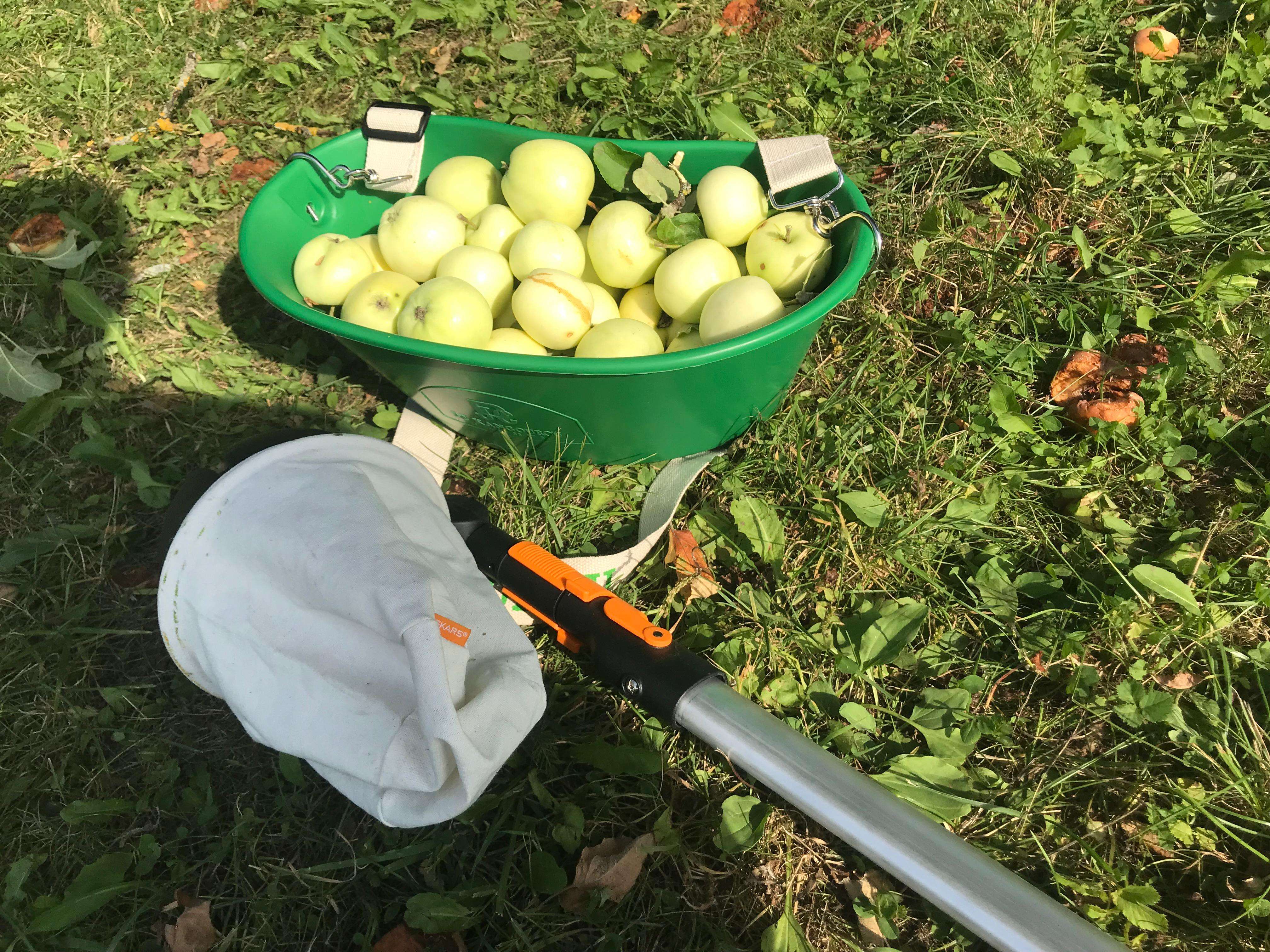
Figure 1. Bag for collecting apples and fruits 10l (Manufacturer: LE KANGOUROU)
You can collect apples directly from the branches or shake the apple tree, after which you can gather the fruits from the ground. There is special equipment for this. It can be a tree shaker attached to a tractor using a power take-off or battery-operated machines for harvesting fallen apples.
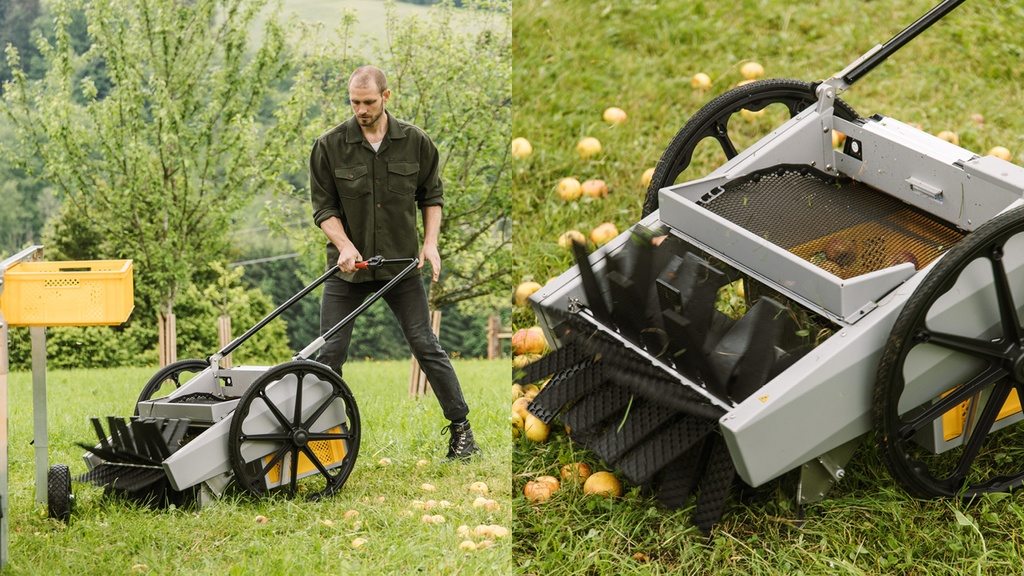
Figure 2. Collector for fallen apples Obstraupe 05 (Manufacturer: Organic Tools GmbH)
Video 1. Tree shaker (Manufacturer: HUEMER OBSTERNTETECHNIK)
If you squeeze juice from fallen apples that have been lying on the ground for several days, the juice yield will be much lower (about 20-40%). The juice yield will also be low if you collect apples from the tree and squeeze juice after a few weeks. Under normal storage conditions, apples quickly lose moisture, the cellular structure breaks down, and the fruits become soft, especially if they have been damaged. Apples can remain juicy for a long time only with proper storage in specialized storage facilities with a controlled atmosphere and constant microclimate. This can be achieved with increased humidity of 90-95%, low temperature of 0…+2 °C, altered air composition, and also by treating apples before storage.
After collecting and sorting, wash the apples and place them in buckets, allowing the water to drain. Do not use rotten and moldy apples, as the presence of even a few spoiled fruits can spoil the taste and shorten the shelf life of the final product. To make the juice tastier and more aromatic, use fruits from different apple trees. Autumn apple varieties are best for juicing, as they have denser flesh and contain more juice. Summer varieties ripen quickly and become soft. Ripe apples or slightly under-ripe ones should be used because overripe fruits are too soft, do not press well, and the resulting juice is cloudy with a high pulp content. Unripe apples contain less moisture, and the juice is sour. Such juice can be diluted with drinking water and sugar added, but it will not be as healthy and tasty as juice from ripe apples.
2) Crush the apples using a crusher;
Next, the apples should be crushed. As a result, a homogeneous apple mass is obtained, from which juice begins to be released even without pressing. For crushing, use a manual or electric crusher, fixing it above the container for crushed apples, for example, between two benches or directly above the press basket. Ordinary cutting with a knife is not enough. The optimal size of the pieces is about 6-8 mm (as you would grate carrots on a coarse grater). This size is optimal for pressing. Too small a fraction will clog the filter bag. Too large pieces of apples will not press well. It is worth noting that when crushing apples, the seeds should remain intact, which helps avoid unwanted bitterness in the juice.
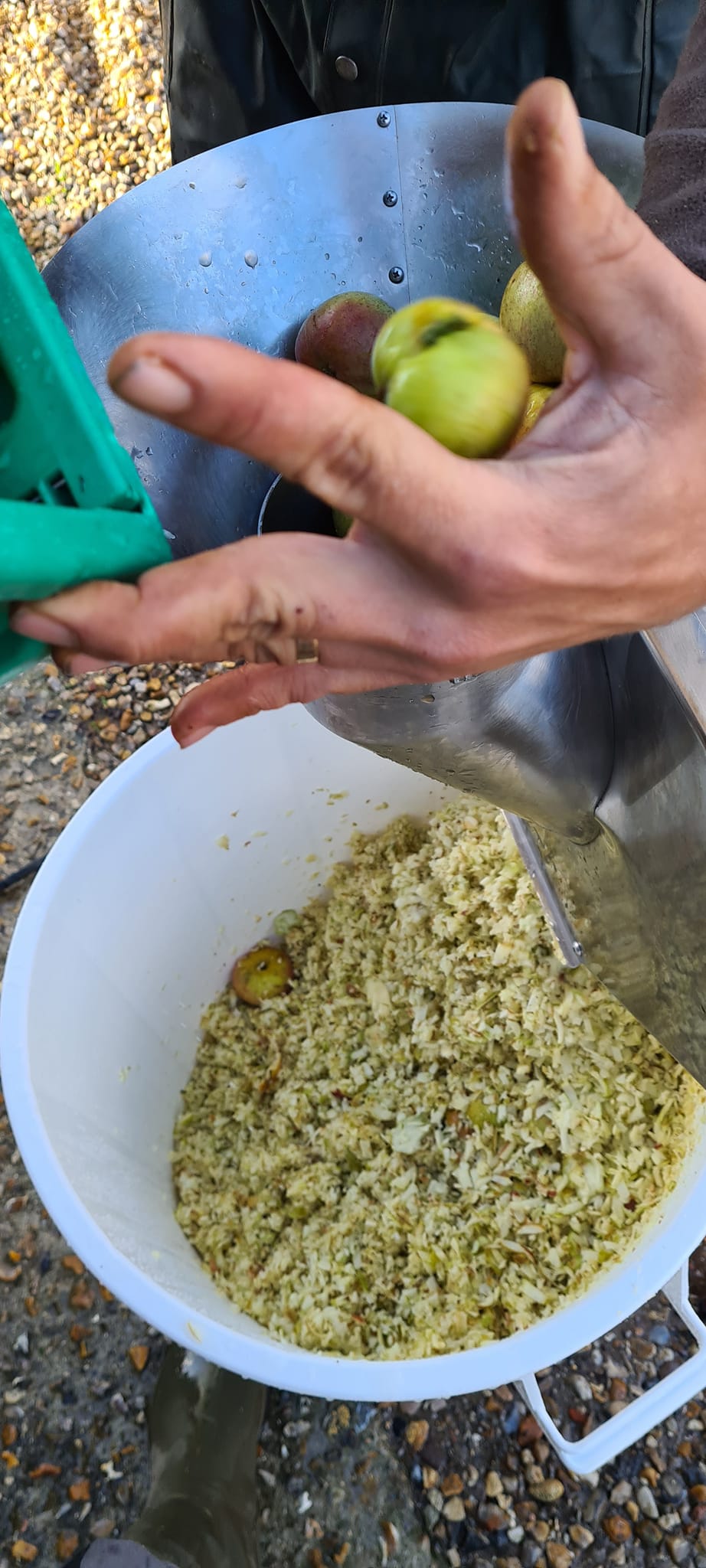
Figure 3. Electric apple crusher ESE-055 (Manufacturer: APPLE PRESS LTD.)
3) Squeeze the crushed apples using a press;
The screw press is screwed to the surface with self-tapping screws. The hydraulic press is simply placed on a table or bench.
To make the juice clearer with a low pulp content, a filtering bag is placed in the basket. After that, the crushed apple mass is placed in the basket. The edges of the bag are folded over the apple mass, and a piston is placed on top. The press basket is positioned precisely in the center and juice is squeezed out using a screw or jack. The pressure in the basket should be gradually increased so that the juice has time to separate from the apple mass. When all the juice has drained, the barrel is removed along with the tray, and then the piston along with the apple pomace is pushed out. One cycle of the press operation takes 5-10 minutes (loading, squeezing, unloading the basket). Depending on the variety, ripeness of the apples, and the degree of preliminary crushing, the juice yield is approximately 50-70% of the weight of the apple mass. Thus, with a basket volume of 10 liters, you can squeeze 5-7 liters of apple juice in one cycle.
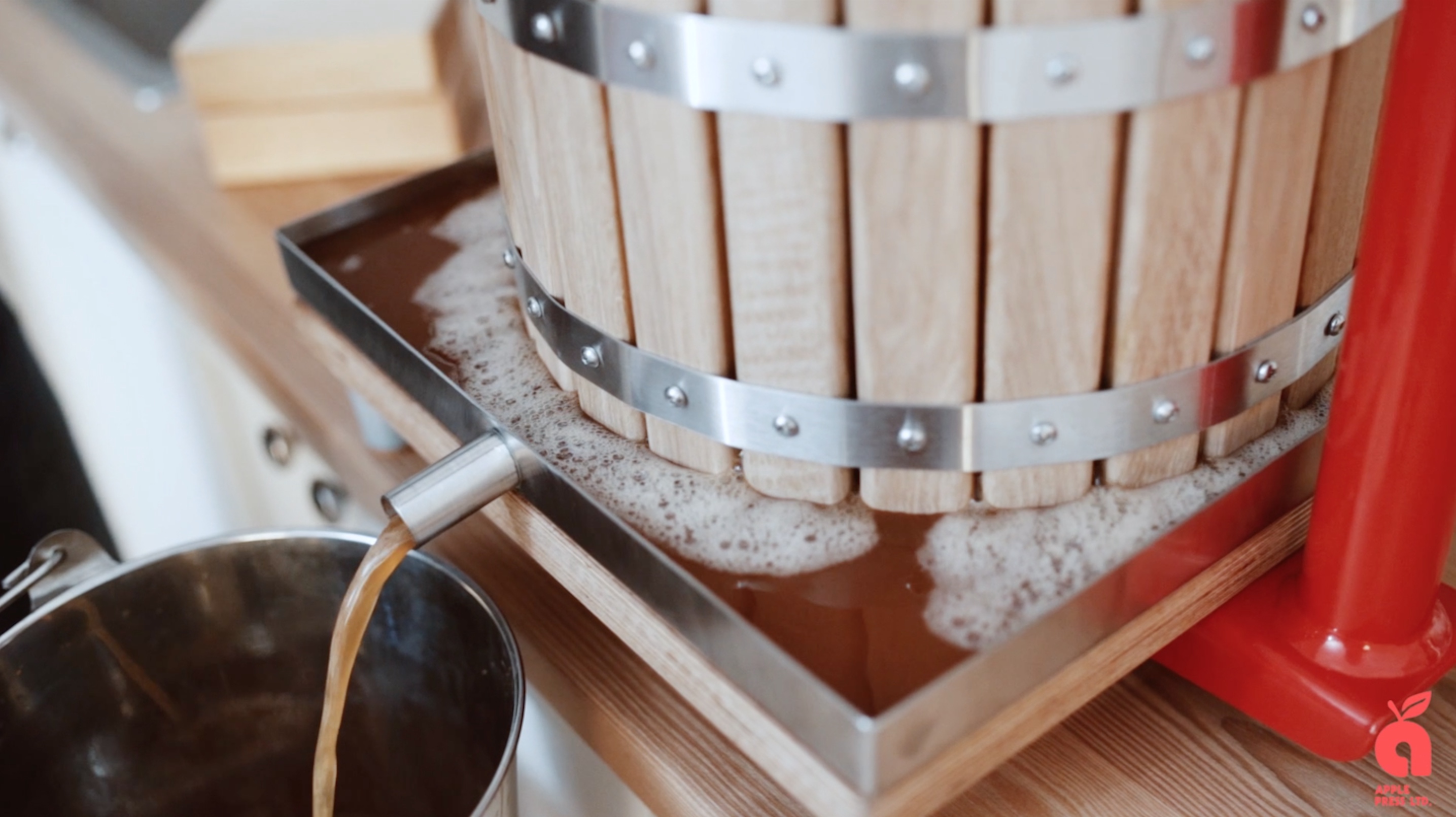
Figure 4. Hydraulic juice press GP-26 (Manufacturer: APPLE PRESS LTD.)
Approximate juice yield
From juicy apples, depending on their variety and ripeness, collected from the apple tree, the juice yield is 50-70%. From fallen and lying apples - 20-40%.
For convenience, you can put a silicone tube on the tray's pipe, placing the other end in the juice container.
Using diaphragm filters or wooden grids
To increase juice yield, diaphragm filters (fr. “scourtin”, it. "fiscoli”) or wooden grids can be used. This allows the apple mass to be divided into thinner layers. The grids act as drainage and allow the juice to flow better from inside to outside the basket during pressing. The more layers, the greater the juice yield. Usually, 3-5 grids are needed for squeezing apple juice, which divides the apple mass into 4-6 layers. This principle is used in batch-type presses.
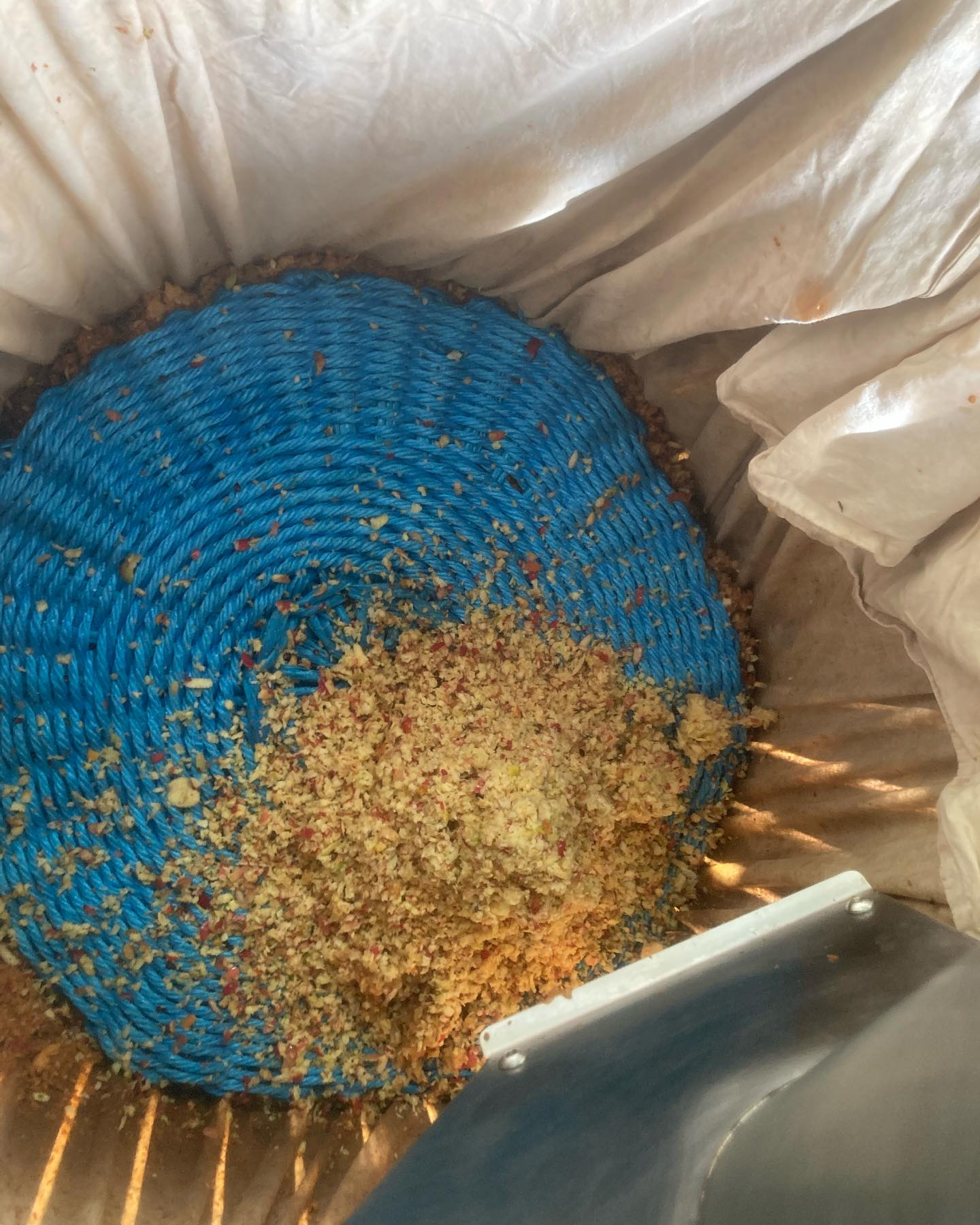
Figure 4. Diaphragm filter for a press without a central hole, 100% nylon (Manufacturer: SARL La Scourtinerie)
This method is also used for extracting olive oil in small productions. Only the olive mass is divided into 50 or more layers.
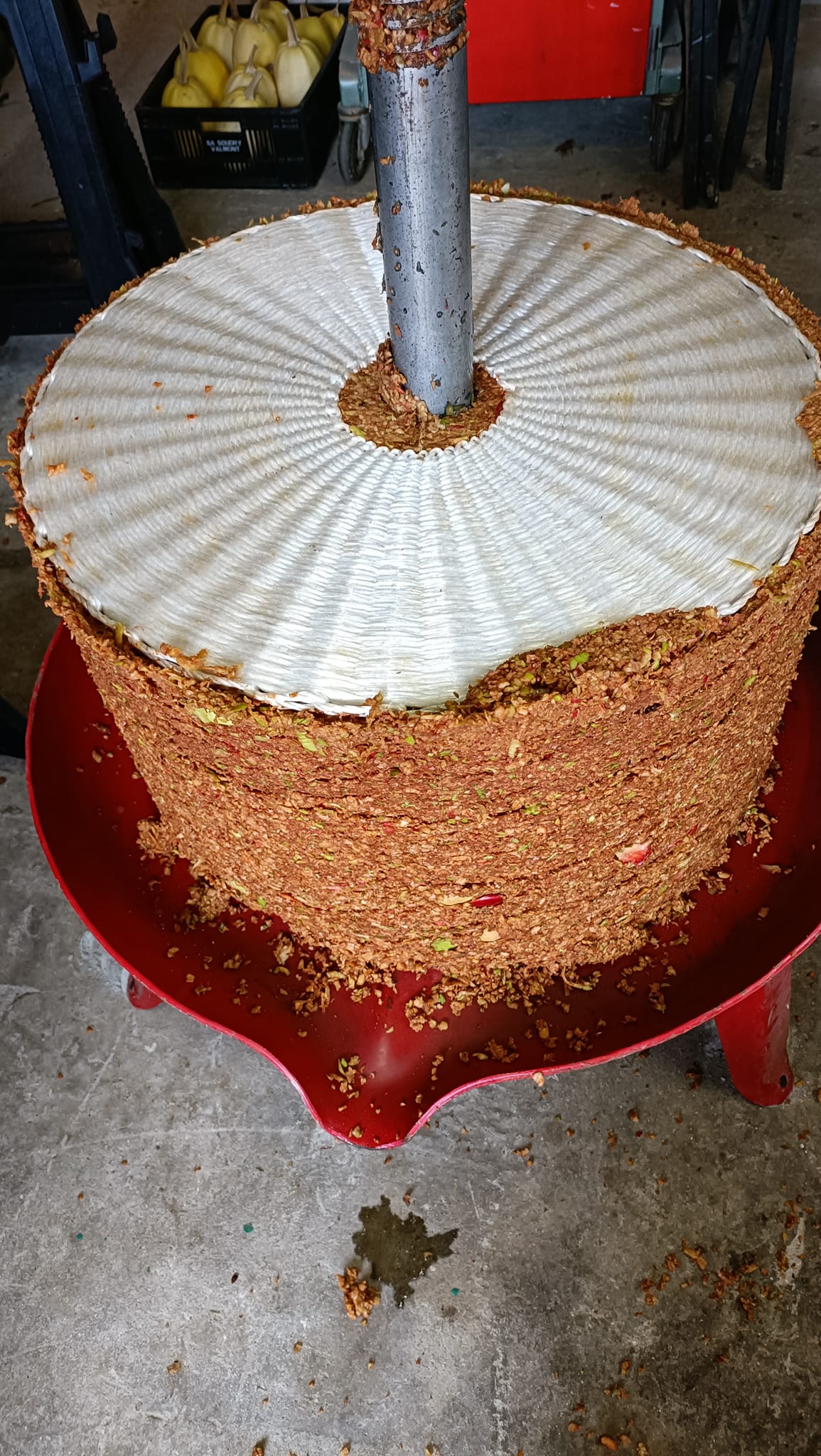
Figure 5. Diaphragm filter for a press with a central hole, 100% polypropylene (Manufacturer: Roberti Giovanni s.n.c.)
If you have a lot of time, you can squeeze another 5-10% more juice. To do this, leave the apple mass under the weight of the jack or screw for a few minutes at the end of the squeezing. After that, pump the jack and wait a little longer. Repeat this operation until juice continues to be released.
Choosing a juice filtering bag
To obtain clear juice with minimal pulp content, you need to use fine mesh bags: 100% polyester (lavsan) or 100% linen. Such a bag is suitable for squeezing juice from apples, pears, pineapples, ginger, rhubarb, grapes, and other juicy hard fruits, berries, or vegetables that contain large fibers. Berries and fruits with small fibers will clog the filter bag (for example, black currants, plums, peaches, etc.). Linen fabric is very strong, one of the few fabrics that is stronger when wet than when dry. Linen bags are slightly more expensive but more environmentally friendly since replacing the bag does not introduce plastic into nature. Linen is a natural fiber that decomposes completely in nature.
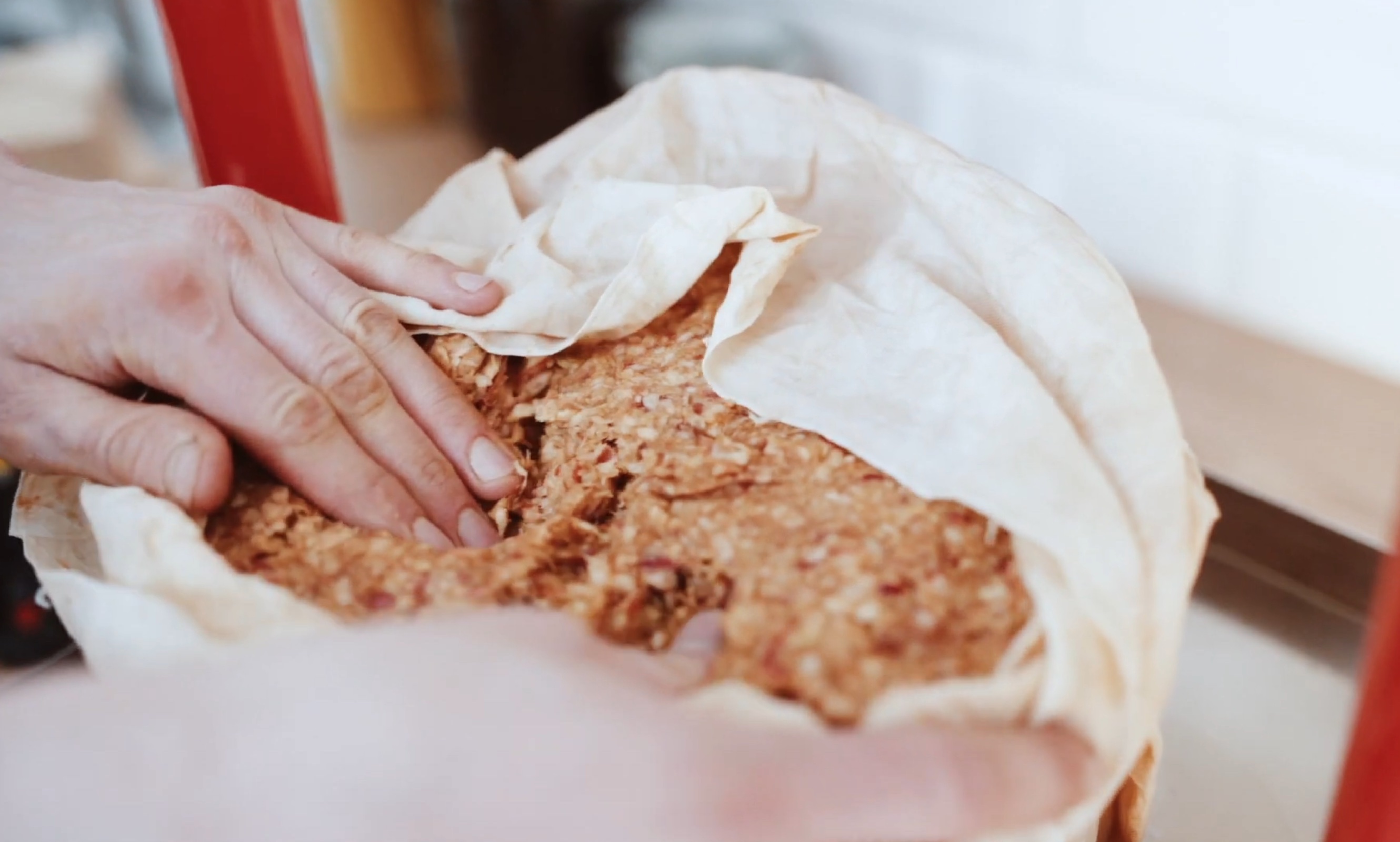
Figure 6. Juice filtering bag, 100% polyester (Manufacturer: APPLE PRESS LTD.)
If you want to obtain juice with pulp, you need to use a coarse mesh bag (100% polypropylene). Such a bag is suitable for squeezing juice from plums, apricots, peaches, red currants, black currants, and other berries and fruits. A coarse mesh bag can also be used for apples, pears, and grapes, but the juice will be less clear in this case.
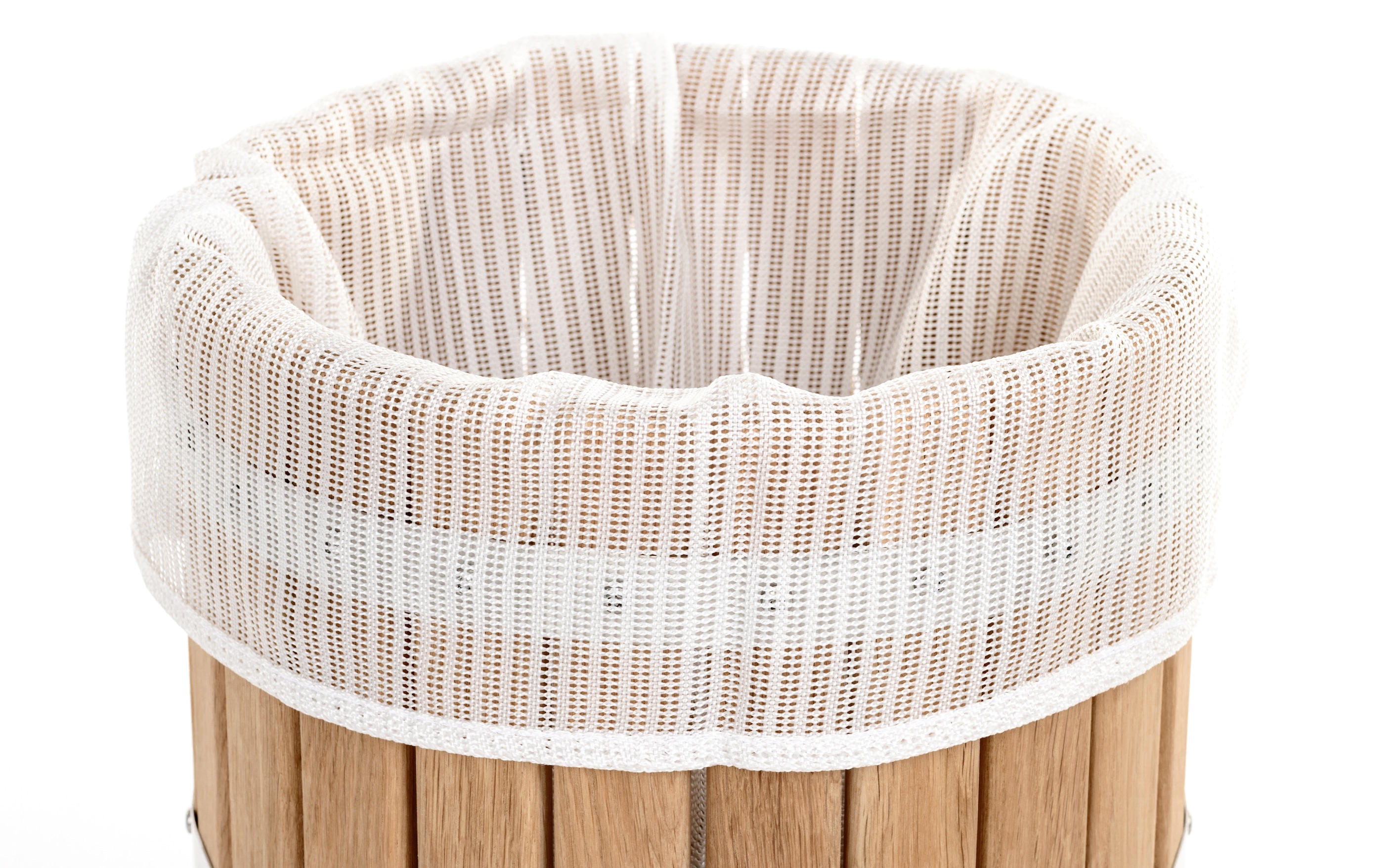
Figure 7. Juice filtering bag with coarse mesh, 100% polypropylene (Manufacturer: APPLE PRESS LTD.)
Recommendation: it is always good to have one spare bag so that the juice extraction process does not stop due to a torn bag.
After using the press and crusher, it is necessary to wash all parts that come into contact with the juice and dry them thoroughly. The press and crusher should be stored in a dry, dark place. This affects the longevity of your apple press.
Also, with the press, juice can be squeezed not only from apples and pears, quinces, and cidonias, but also from berries: grapes, currants, chokeberries, sea buckthorn. From vegetables: beets, carrots, pumpkins, and even from pineapples, rhubarb, and ginger.
However, there are nuances when squeezing juice from berries.
How to squeeze juice from black/red currants - read here
If you plan to make cider or wine from apples, let the crushed apple mass sit for 1-2 days before squeezing. In winemaking, this process is called maceration. This will increase the juice yield and make the wine more aromatic.
Helpful tips:
Add pumpkin to the apple juice. To do this, crush the pumpkin together with the apples and squeeze the juice. The pumpkin juice will soften the acidity of the apples and give it smoothness.
If you have a lot of pears, you can make pear or apple-pear juice. This juice will be sweeter and especially liked by your children.
Delicious and healthy juice can be made from other fruits and vegetables, for example, from carrots or beets.
Add a little chokeberry (black chokeberry) to the apples. The juice will acquire a reddish color and a pleasant tart taste.
4) Pasteurize or freeze;
The juice is squeezed — what next? Fresh apple juice can be stored in the cold for 4-5 days. If you want to preserve the juice for winter, it must be pasteurized and poured into jars or bottles. Pasteurized apple juice can be stored for 1-2 years. Fresh juice can also be stored in the freezer.
How to preserve juice for winter – 9 ways - read here
© APPLE PRESS LTD. All rights reserved.
Copying, distributing, and using the text, images, or any other materials from the site without the written permission of the copyright holder is prohibited.
