Best juicer for apples (review)
When choosing a juicer for apples, it is necessary to determine the main goals and answer the following questions:
- 1) What do you plan to use the juicer for?
- 2) What final product do you plan to obtain (juice, cider, apple vinegar)?
- 3) What capacity is required (l/h)?
- 4) What is the planned frequency of use — periodic processing of the harvest several times a year or daily operation (several times a year for processing apples or every day)?
- 5) Is it intended to press juice exclusively from apples, or will the device also be used for other fruits, berries, and vegetables?
In addition, you should consider the materials used in the juicer, the build quality, the reliability of the design, and the availability of spare parts, especially in the case of planned commercial use of the equipment. It is also important to pay attention to the quality of the juice obtained.
1. JUICER DESIGN
There are 3 main types of juicers for apples:
- 1) centrifugal juicers;
- 2) auger juicers;
- 3) juice presses (mechanical apple juicers);
Let us consider the design of the types of juicers in more detail.
1.1. Centrifugal juicer for apples
Centrifugal juicers are the most common due to their affordable price and ease of use.
The apple is ground into pulp using a disc with a fine grater, and due to centrifugal force the crushed apple mass is pressed against the walls of the separator, which is made of mesh with fine cells. The juice seeps through the separator mesh and flows out through an opening. The pomace is ejected from the other side into a special container.
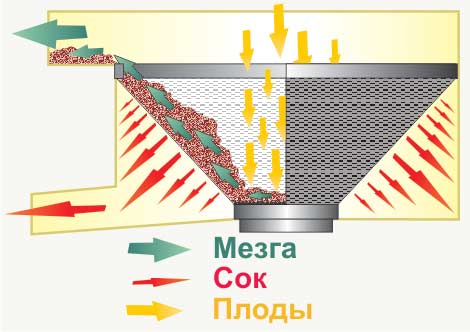
Figure 1. Diagram of the operation of a centrifugal juicer separator
According to the shape of the separator, centrifugal juicers are divided into cylindrical and conical.
1.1.1. Centrifugal juicer with a conical separator shape
Due to the conical shape of the separator, apple pomace is ejected into the receiving container under the influence of centrifugal force.
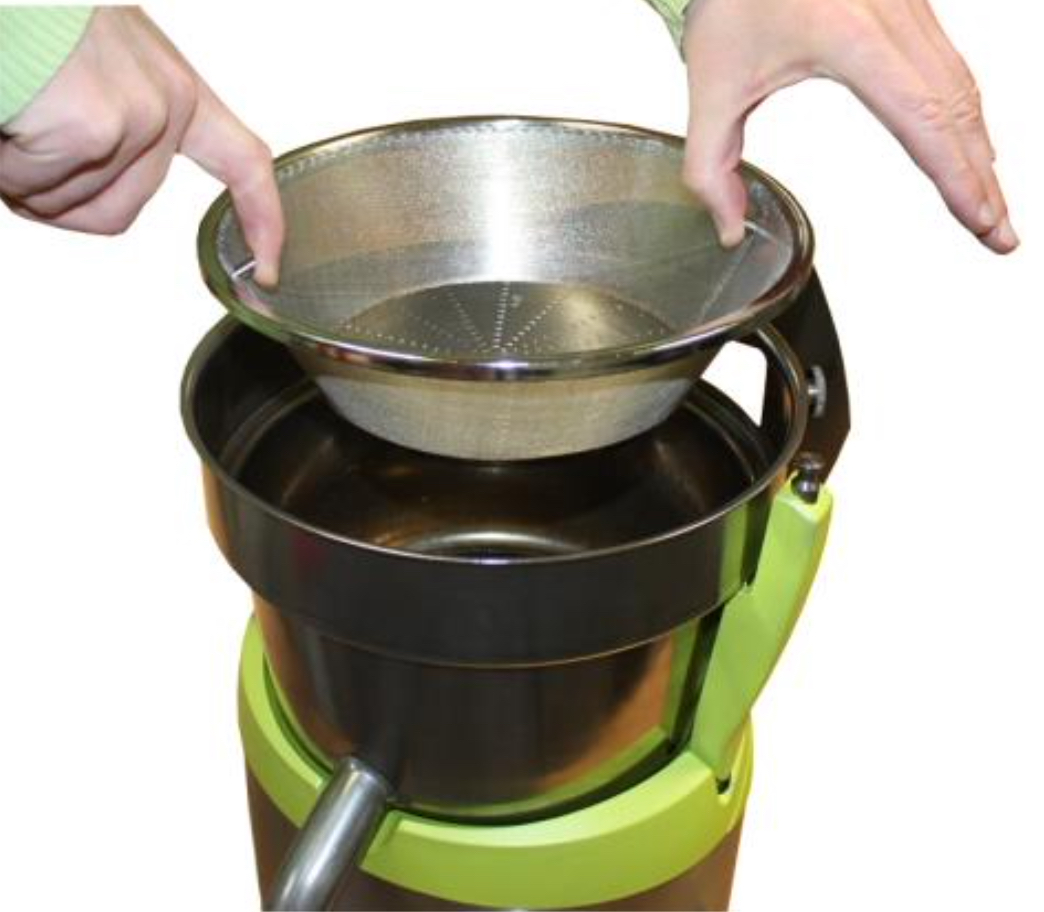
Figure 2. Conical separator of the MIRACLE EDITION 68 centrifugal juicer (Manufacturer: SANTOS S.A.S.)
1.1.2. Centrifugal juicer with a cylindrical separator shape
Juicers with a cylindrical separator shape need to be periodically cleaned manually of accumulated pomace, as is the case with domestic apple juicers such as “Salyut,” “Neptun,” or “Rossoshanka.” This can also be done using a special lever that allows the accumulated pomace to be discharged. The Belarusian juicer “Zhuravinka” works according to this principle.
The “Salyut” apple juicer has quite high capacity, and thanks to the wide feed chute, apples can be loaded whole. The disadvantages of such a juicer are noise and strong vibration. The chute literally has to be covered with your hands to prevent product from being thrown out while the device is operating. Periodically (after extracting about 2–3 liters of juice), you need to remove the lid, take out the mesh with pomace, and clean it.
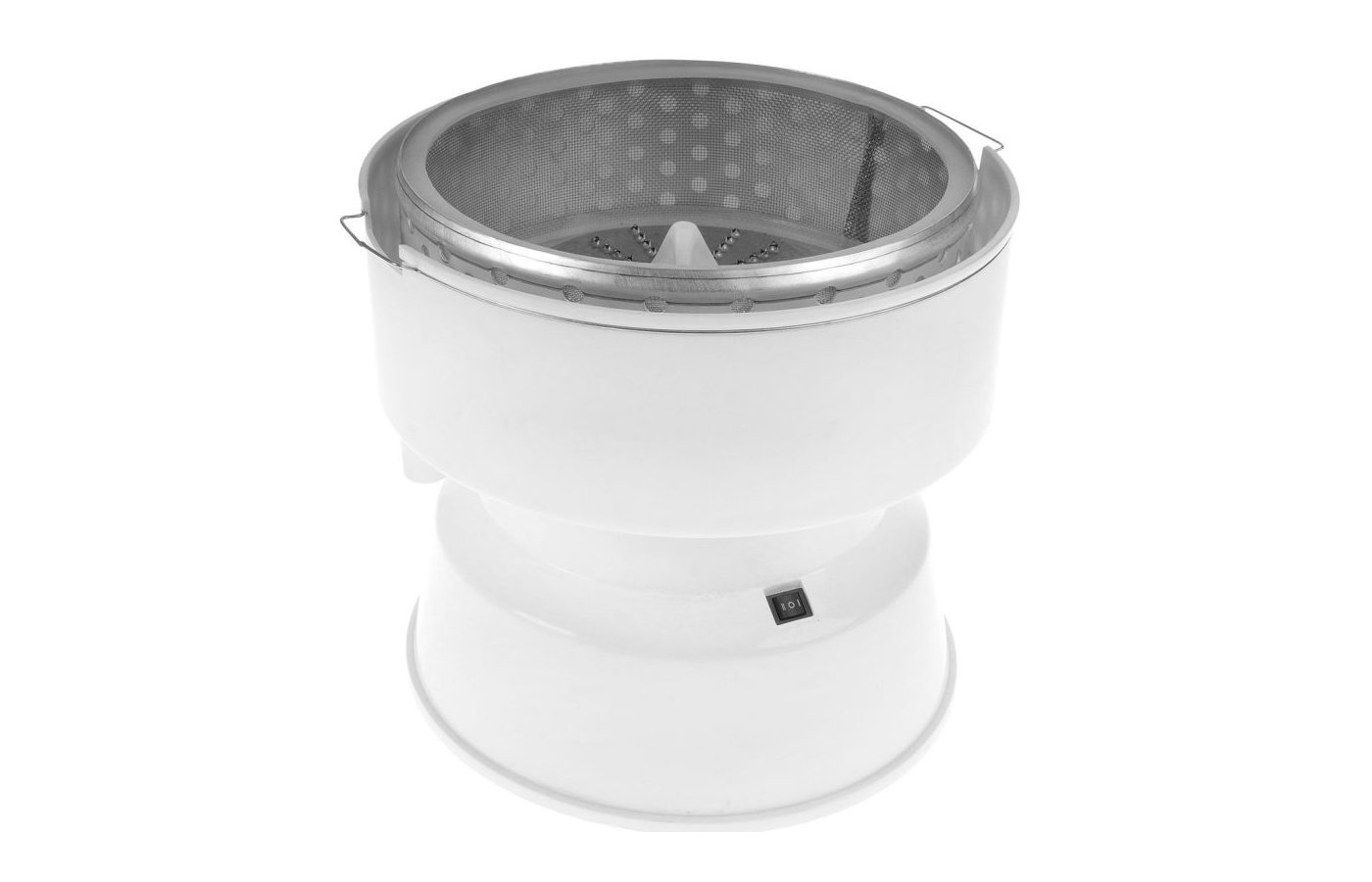
Figure 3. Cylindrical separator of the SVPR-201 "SALYUT" centrifugal juicer (Manufacturer: PJSC "Penzmash")
1.2. Auger juicer for apples
The design of an auger juicer is somewhat similar to a meat grinder. The central part of the auger juicer is a plastic or metal auger with groove paths along which the apples move downward from above in a spiral. As the auger pushes the apples along the spiral, they are ground against the walls of the mesh filter. The juice flows out through the walls of the filter, and dry pomace is obtained at the outlet of the juicer. The juice is collected in a bowl and flows outward.
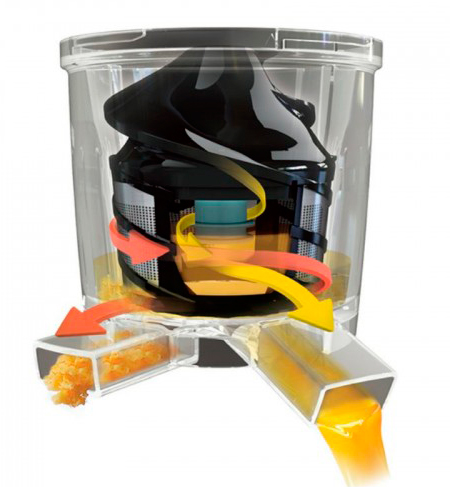
Figure 4. Operating principle of an auger juicer
Professional auger juicers are often equipped with a grinding device before the auger itself, which allows whole apples to be loaded without preliminary cutting.
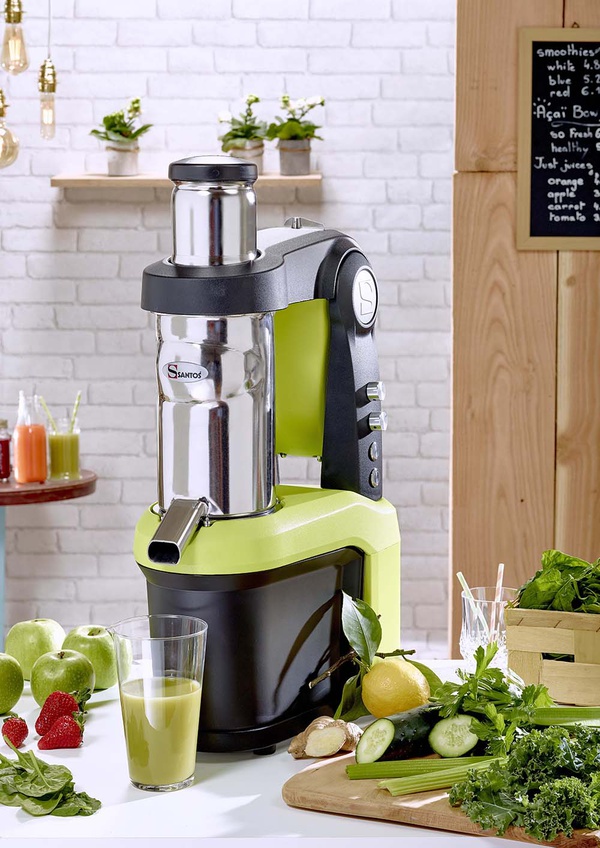
Figure 5. NUTRISANTOS auger juicer with a knife for preliminary cutting (Manufacturer: SANTOS S.A.S.)
There are horizontal, vertical, single-auger, and twin-auger juicers.
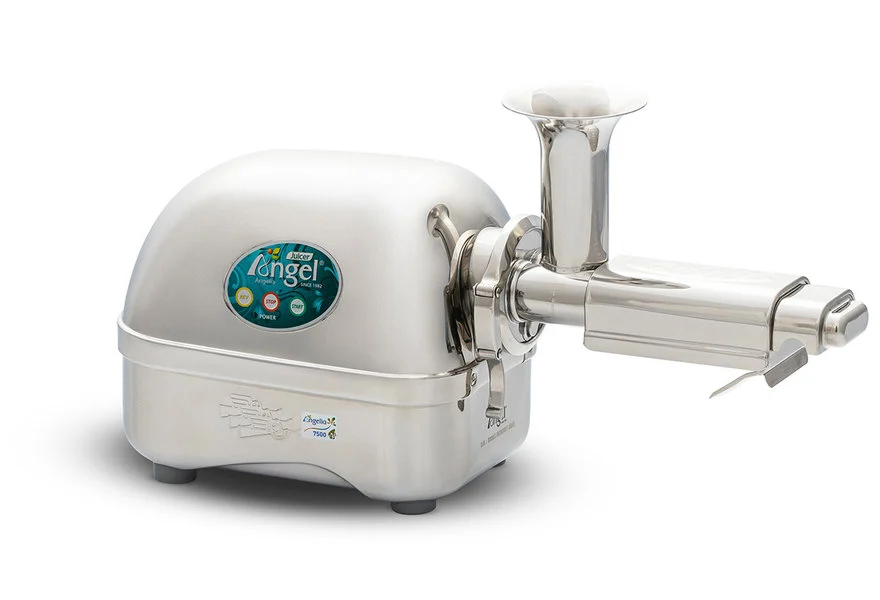
Figure 6. ANGEL JUICER 7500 auger juicer (Manufacturer: ANGEL JUICER)
Manual auger juicers are not suitable for extracting juice from apples, since the apples need to be cut into small pieces, and turning the handle is quite tiring.
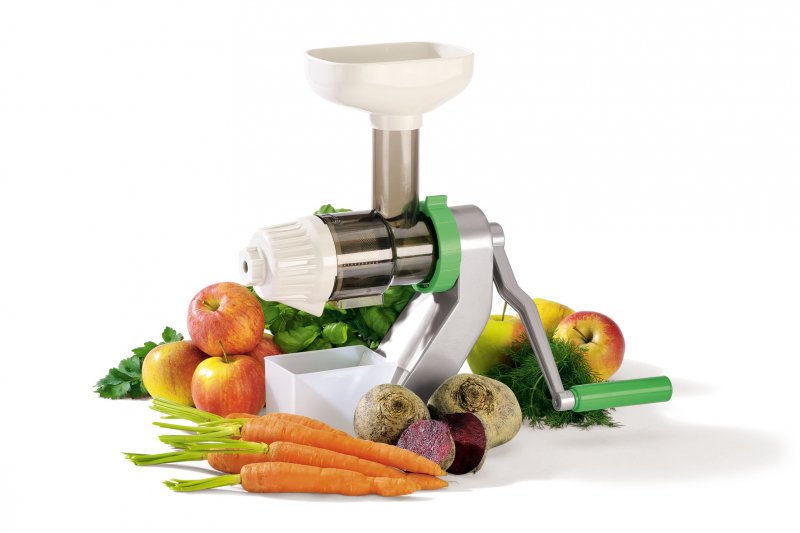
Figure 7. Manual auger juicer
1.3. Apple press
An apple press is the oldest traditional method of obtaining juice from apples and grapes. Such presses were used as far back as ancient times. The essence of the method is simple: apples are crushed into small pieces, and then the apple mash is mechanically compressed (manually or by means of a lever, screw, and later hydraulics) to obtain juice.
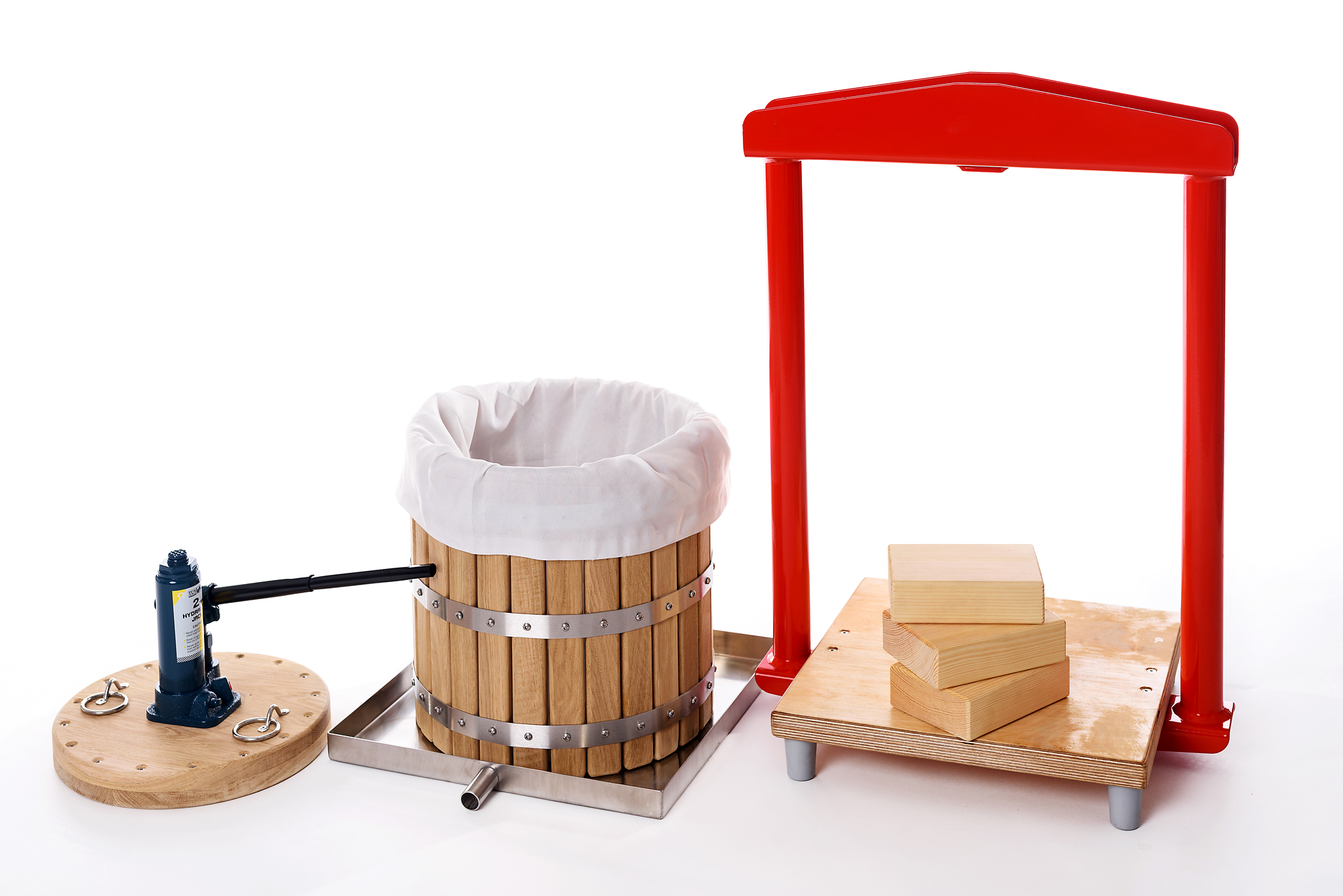
Figure 8. Hydraulic juice press GP-26 (Manufacturer: APPLE PRESS LTD.)
The press is especially indispensable in winemaking. It occupies a central place in the production of wine and cider, especially at the stage of separating juice from mash (pomace). Without it, it is impossible to efficiently obtain juice from apples and grapes, especially in large volumes.
Even factories producing direct-pressed apple juice use the same technological process, only all processes are mechanized and automated. Usually, such juice extraction lines use a belt-type press.
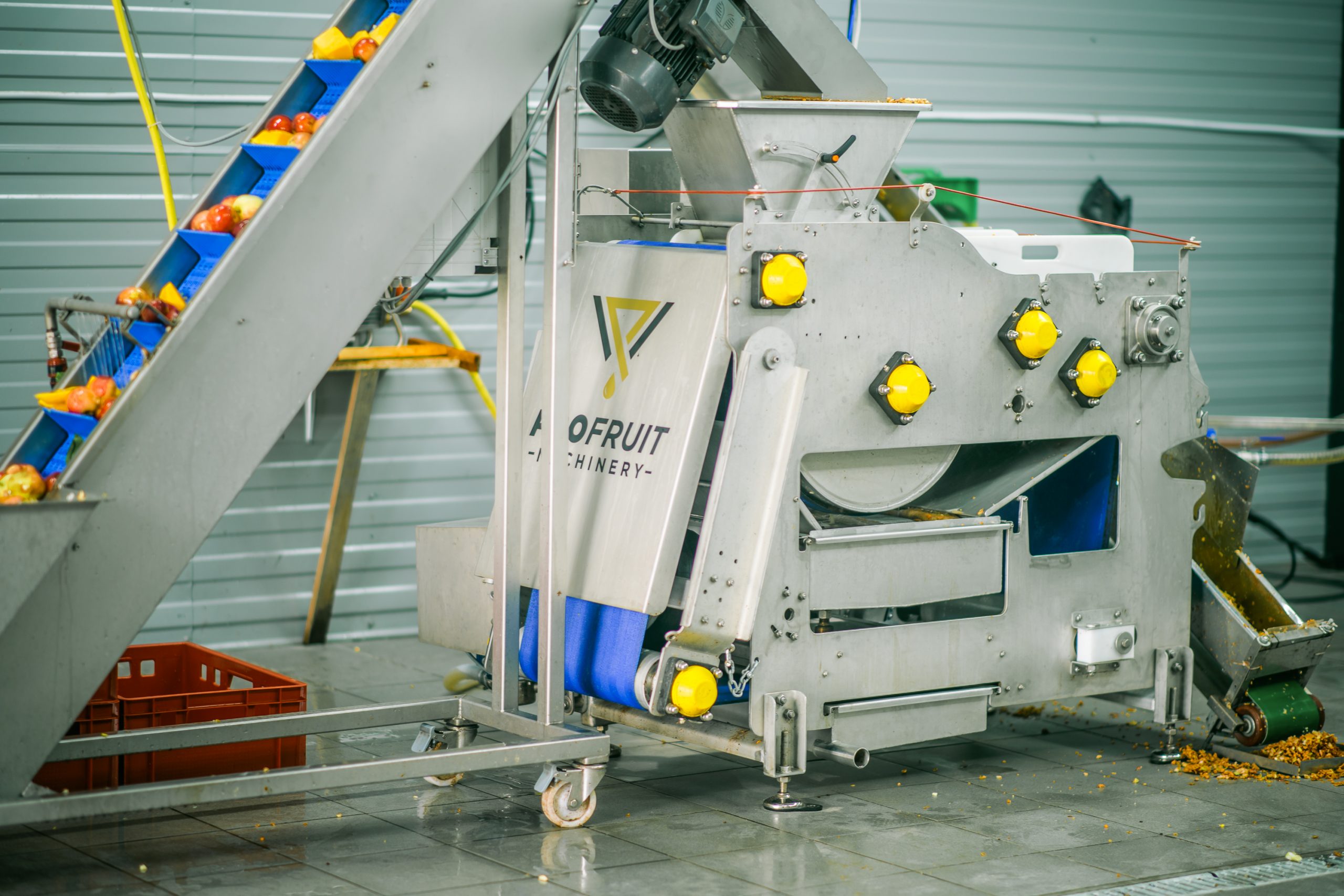
Figure 9. Belt juice press + fruit washer-elevator-crusher (Manufacturer: JSC “ProFruit Machinery”)
2. WHICH APPLE JUICERS ARE BETTER AND WHICH JUICER SHOULD YOU CHOOSE?
When choosing a juicer for apples, you should pay attention to 7 main factors:
- 1. Purpose of use
- 2. Quality of the juice obtained
- 3. Juice yield
- 4. Reliability and repairability
- 5. Noise level
- 6. Price
- 7. Ability to extract juice from other fruits, berries, and vegetables
2.1. Purpose of use
2.1.1. For everyday use in the kitchen
If you plan to extract a few glasses of fresh apple juice every day, then any medium-power centrifugal or auger juicer can easily handle this.
Auger juicers provide quite a high juice yield. However, the fruit needs to be cut into slices and a pusher must be used, so productivity is very limited.
You can also buy a kitchen press with a 3L–5L basket made of stainless steel. To grind apples, you can use an electric potato grater with an apple attachment.
As a result, you get a complete set consisting of a press and a grinder at the price of a semi-professional centrifugal or auger juicer. And the potato grater will always come in handy in your kitchen for making potato pancakes or cepelinai.

Figure 10. Screw juice press VP-3s (Manufacturer: APPLE PRESS LTD.)
Video 1. BETM-1 potato grater with knives for apples (Manufacturer: UAB MIGIRIS)
2.1.2. For wine or cider production
When producing cider or apple wine, the apples are first crushed. Before pressing, the crushed mass (mash) is left to infuse for some time. This process is called maceration (Lat. maceratio, from Lat. macero — to soften, to soak). To press fermented must from apples, a press is required. A press allows the juice to be extracted quickly and efficiently.
A centrifugal juicer cannot handle such raw material — it will not be able to effectively separate juice from semi-fermenting mass.
In addition, foam, sediment, and yeast will get into the juice, interfering with the further process.
This is especially important in traditional cider making, where long maceration of up to 24 hours is often used.
2.1.3. For making juice for the winter or small-scale production
An auger juicer for apples has too low productivity, so it is impractical to use it for preparing apple juice in quantity.
If you want to use a centrifugal juicer for preparing apple juice, then you need to buy a powerful high-capacity juicer with a conical separator shape and a large feed chute. In such a juicer, a whole apple fits. It is better to buy a high-capacity juicer made of stainless steel. Productivity reaches several buckets of juice per hour.
However, the most efficient equipment for processing a significant volume of apples is a press. With the help of a press, you can prepare a huge amount of juice for the winter. At one time, using a press with a capacity of 20 liters, you can press a bucket of juice. This will take about 5 minutes. Thus, with the help of a high-performance juicer, if 3 people are working in the garden (one washes the apples, another grinds them, and the third extracts the juice), it is possible to extract more than 100 liters of juice per hour.
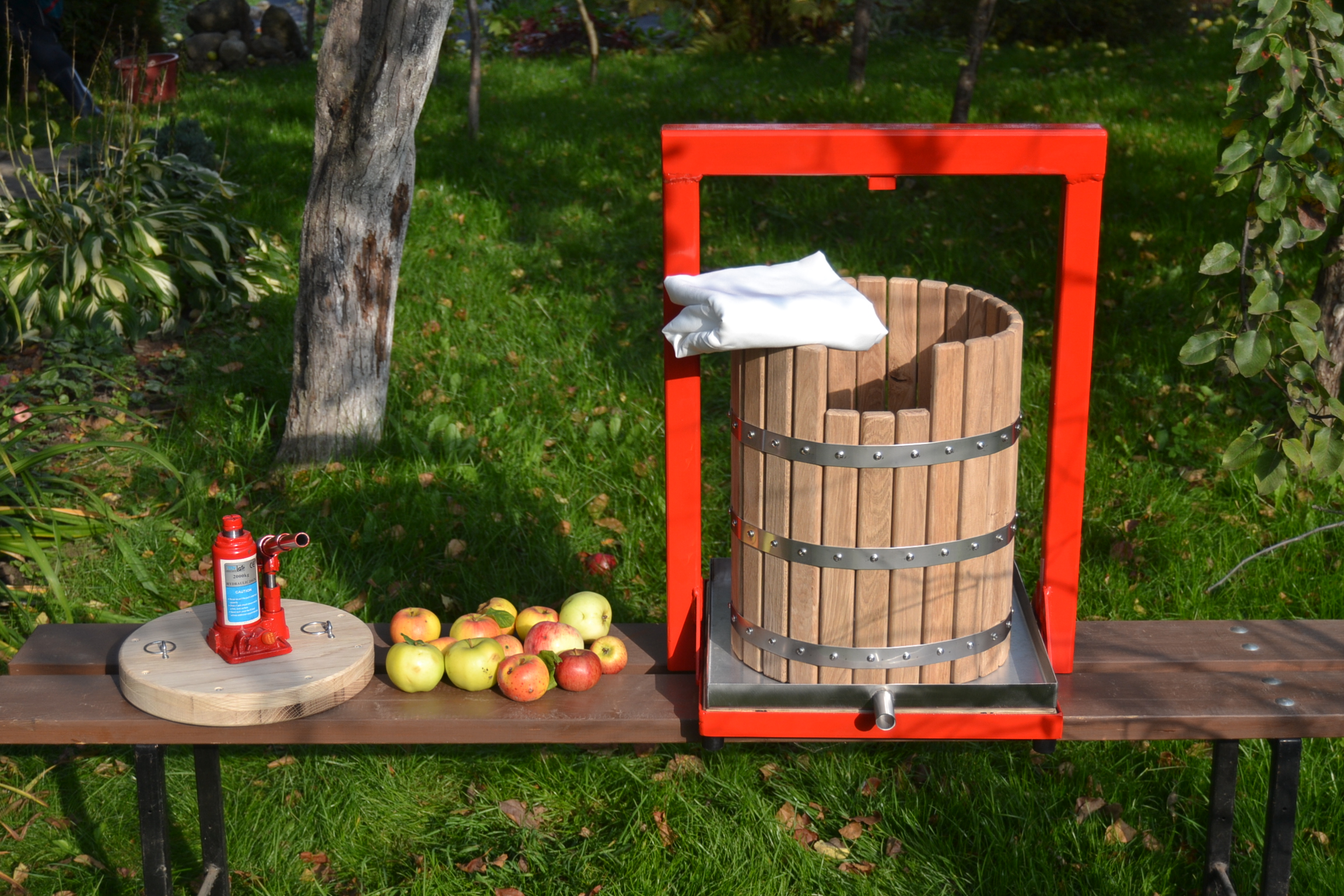
Figure 11. Hydraulic juice press GP-30 (Manufacturer: APPLE PRESS LTD.)
You can also use a press to extract juice from grapes, various berries, as well as other fruits and vegetables (carrots, beets, pumpkin). The larger the press and the more powerful the grinder, the more juice can be extracted per unit of time. A large press with a basket volume of 100 L or more is already a high-capacity industrial apple juicer.
2.1.4. For a bar, café, or restaurant (HORECA)
If you need to extract a glass of juice and serve it immediately, then it is best to choose a professional centrifugal or auger juicer. Such juicers are designed for everyday commercial use and have a long service life, with spare parts available.
If it is planned to prepare fresh juices for 1–2 days at once, store them chilled, and pour them for visitors as needed, then it is best to use a press and apple grinder. With its help, you can prepare a large amount of juice much faster, the juice is of higher quality with less pulp, and there is no need to remove foam.
Also, a press is often used in restaurants to extract excess juice from grated potatoes when preparing cepelinai.
2.2. Quality of the juice obtained
There are many differences between various types of juicers, but the main one is what kind of product you ultimately get.
The tastiest and healthiest juice is obtained with the help of a press.
Juice obtained with a press is homogeneous, without sediment, dense, and rich.
Juice extracted by a centrifugal juicer is heterogeneous, with a thick layer of foam and sediment.
The juice obtained with an auger juicer is much better than that from a centrifugal one, but still inferior to a press.
Presses and auger juicers preserve significantly more beneficial vitamins, enzymes, and aromatic substances in the juice, since the product is not heated by friction and is not blown by an air stream at high rotational speed, as in centrifugal juicers.
It is worth noting that when apples are ground with a grinder and the apple mass is then pressed with a press, the apple seeds remain whole. This makes it possible to avoid the undesirable bitterness imparted by crushed seeds. The resulting juice is clear, without pulp, without foam (something centrifugal and auger juicers cannot boast of), while the taste remains rich.
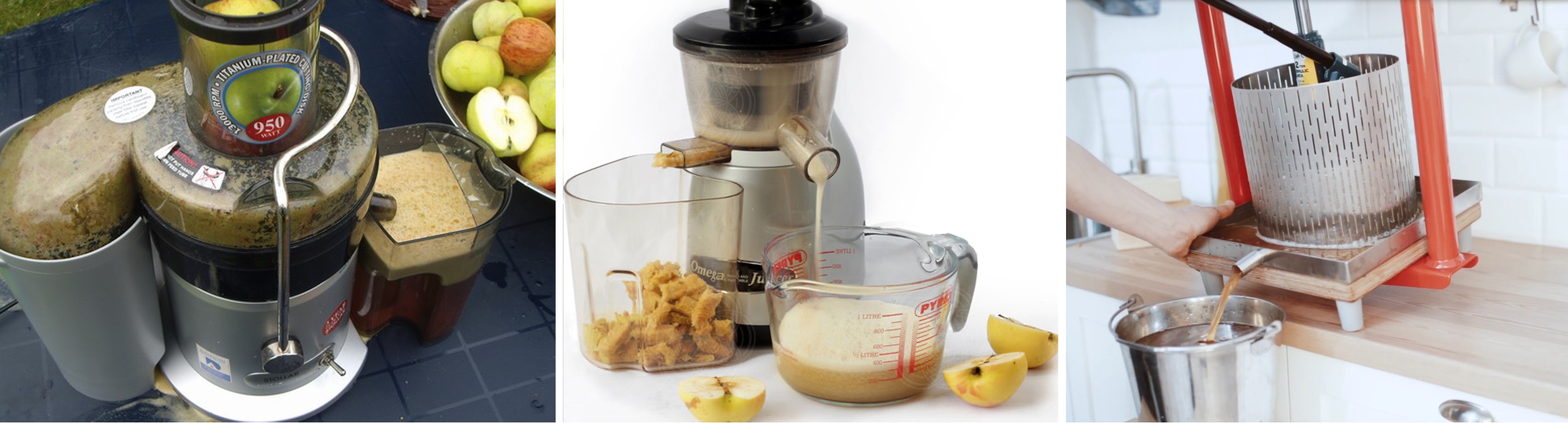
Figure 12. Extracting apple juice using different types of juicers (1 - centrifugal juicer, 2 - auger juicer, 3 - apple press GP-12s)
2.3. Juice yield
- Centrifugal juicer: 50-60%
- Apple press: 50-70%
- Auger juicer: 60-75%
Centrifugal juicers do not extract juice completely. The apple pulp remains wet, especially if the apples are soft. This makes this method uneconomical, especially for large volumes.
When using diaphragm filters or wooden grids, which divide the crushed mass into thin layers and provide more efficient juice drainage, the juice yield percentage of presses can be increased.
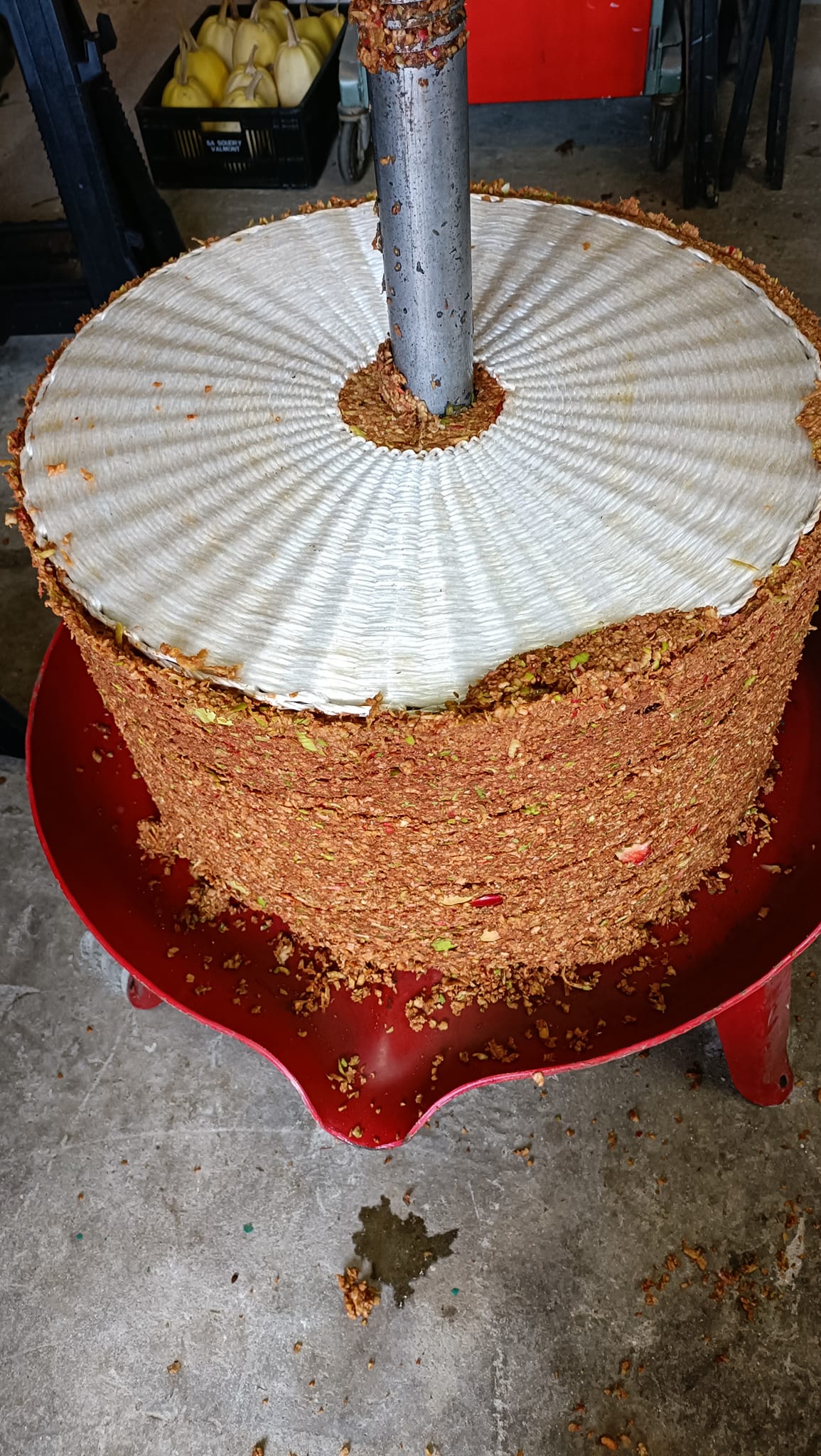
Figure 13. Example of using diaphragm filters for juice extraction with a press
2.4. Reliability and repairability
Any juicer can eventually fail, so when choosing a centrifugal or auger juicer, it is worth giving preference to more expensive models. Such juicers have fewer plastic parts. The motor in such models is more powerful and more reliable and is designed for prolonged loads. It will not overheat during operation. It is also worth paying attention to the availability of spare parts so that in case of breakdown it is possible to replace a worn part rather than buy a new juicer.
As for hydraulic presses made entirely of stainless steel, this is a purchase for generations. During long-term operation, only the hydraulic jack may fail, and it can always be bought at the nearest auto parts store for 10–15 euros.
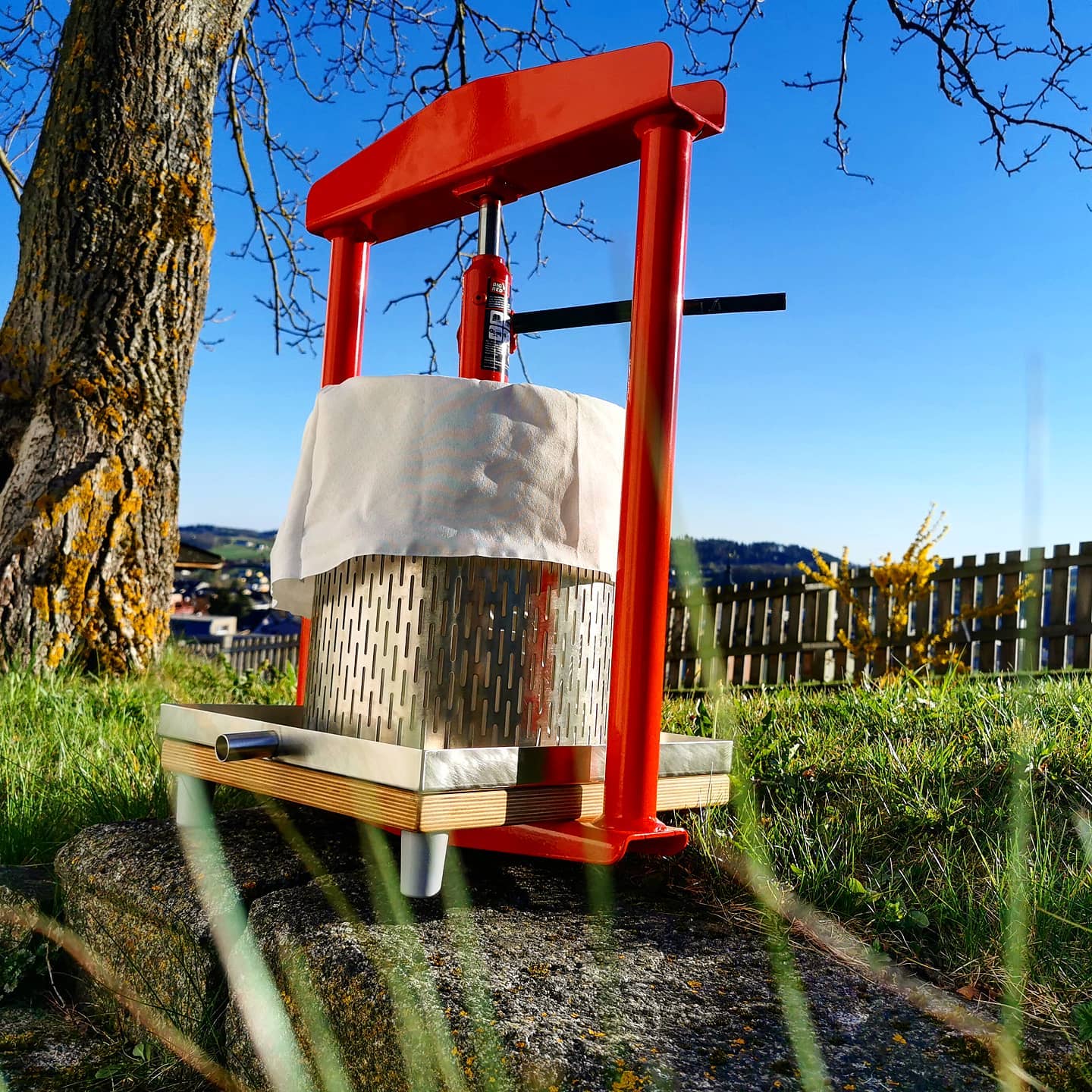
Figure 14. Hydraulic juice press GP-26s (Manufacturer: APPLE PRESS LTD.)
In screw presses, after several decades the screw or the thread in the frame may wear out.
2.5. Noise level
All centrifugal juicers have a high rotation speed - 5-20 thousand revolutions per minute, so they are very noisy (noise level approximately 85-95 decibels).
Auger juicers have low rotation speeds, so they operate much more quietly and you can press apples in the juicer without fear of disturbing someone's sleep.
The operation of a press is virtually silent, although the grinding process is a little louder than the operation of an auger juicer, but much quieter than a centrifugal one, due to the low speed of the grinders (1400-1500 revolutions per minute). They work quite quietly.
2.6. Price
For each price category, you can choose a juicer of a certain type of design. The higher the price, the more productive, reliable, and higher quality the juicer.
2.6.1. Budget choice (up to 100 euros)
- 1. Low-power plastic centrifugal juicer (400-600 watts) with a narrow opening for apples;
- 2. Manual auger juicer;
- 3. Screw press VP-075 plus a regular kitchen grater;
2.6.2. Choosing a mid-range juicer (200-400 euros)
- 1. Centrifugal juicer 1000-1500 watts (powerful juicer for whole apples);
- 2. The cheapest electric auger juicer;
- 3. Tabletop screw press with a basket volume of 3-5 liters plus an electric potato grater for grinding apples;
2.6.3. Professional choice (500-1000 EUR and above)
- 1. Professional centrifugal juicer;
- 2. High-quality auger juicer;
- 3. Press with a stainless steel basket of 20-30 liters plus an electric apple grinder;
Apple juice can be extracted even without a juicer - manually using an ordinary grater and a piece of cloth.
Video 2. Extracting apple juice without a juicer
2.7. Ability to extract juice from other fruits, berries, and vegetables
If you are going to make juice not only from apples, you can try to choose a more universal juicer.
Juice extraction from pears, quince, cydonia, pumpkin, pineapples, rhubarb, ginger is fundamentally no different from obtaining juice from apples. These fruits and vegetables have a dense and juicy structure from which juice is easily extracted.
Grapes
To obtain juice from grapes, a press is best, especially if you are going to make wine. The seeds remain whole during pressing. For extracting a small amount of juice, you can also use an auger juicer. A centrifugal juicer is not suitable for berries, as it can damage the seeds and impart undesirable bitterness to the final product.
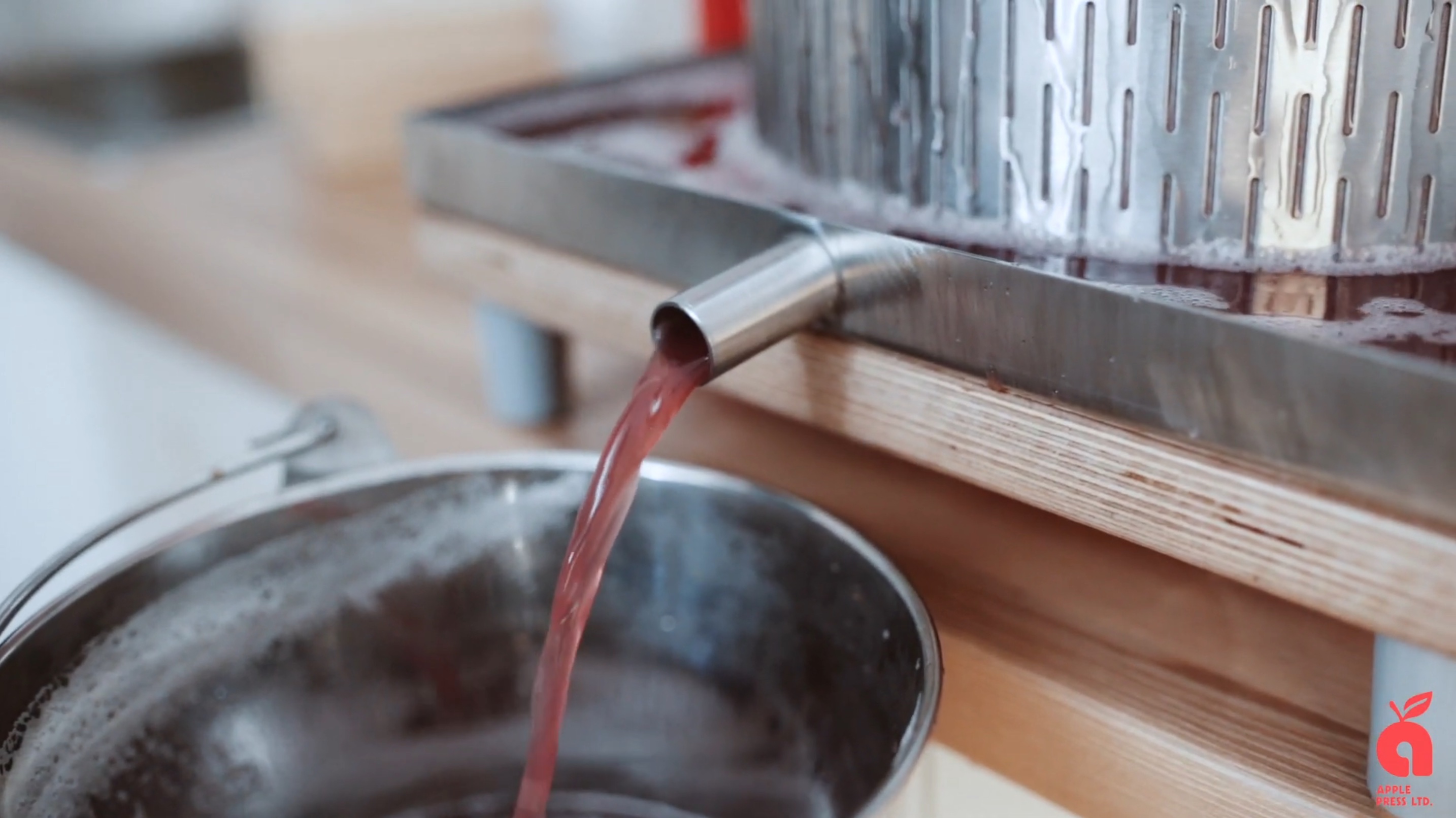
Figure 15. Hydraulic press for extracting juice from grapes GP-26s (Manufacturer: APPLE PRESS LTD.)
Red and black currants
To obtain juice from red and black currants, the berries need to be crushed, poured with cold drinking water, and left to infuse for 1-2 days in a cool place. After that, press them using a press with a coarse-mesh bag. Red currants can also be pressed using an auger juicer. Black currants have a jelly-like structure, so the juice cannot be extracted immediately. All the aroma and color are in the skin, so the tastiest juice is obtained only after maceration.
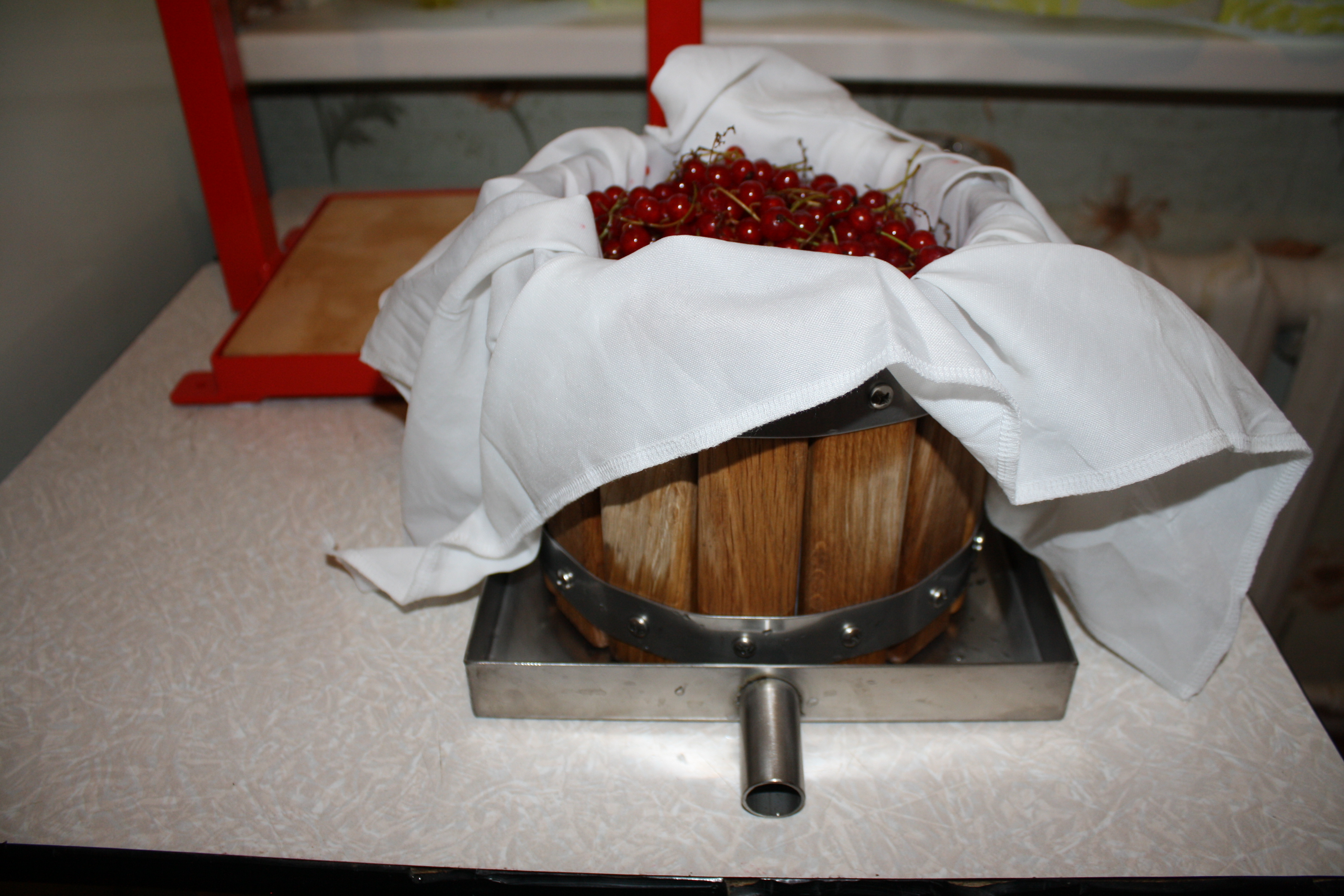
Figure 16. Extracting red currant juice using the VP-3 screw press (Manufacturer: APPLE PRESS LTD.)
A centrifugal juicer is not suitable for berries at all.
Plum
To obtain juice from plums, you need to remove the pits, add water, heat to a temperature of 80 degrees, and let it infuse. This will preserve the maximum amount of vitamins and beneficial substances. After the juice cools, it must be separated from the fruit itself. To do this, pour the resulting mass into the press basket and extract the juice. For filtration, you need to use a coarse-mesh bag.
Carrots
For carrots, it is better to use a centrifugal or auger juicer, since carrots require a finer fraction for extraction. A press can handle this task, but the juice yield will be lower.
Tomatoes
For making tomato juice, it is best to use an auger juicer. A press is not suitable for tomatoes, as the thick pulp and flavor are lost. The press separates only the liquid.
Also, for tomatoes, you can use a large centrifugal juicer with a cylindrical separator shape (“Salyut,” made in Russia). Such a juicer has a coarser mesh in the separator, which lets juice with pulp through but does not let seeds and skins through.
Video 3. Extracting tomato juice using the SVPR-201 "SALYUT" centrifugal juicer (Manufacturer: PJSC "Penzmash")
To summarize, the following conclusions can be drawn:
1. If the quality of the juice obtained is most important to you, then you should buy an apple press.
2. When choosing between an auger and a centrifugal juicer, the following should be noted:
2.1 A centrifugal juicer is much cheaper and more productive than an auger juicer; however, the quality of the juice obtained with an auger juicer is better (less foam, more vitamins retained). Also, an auger juicer operates much more quietly.
2.2. For preparing apple juice in quantity, press juicers are best suited, as they have the highest productivity.
2.3. In terms of juice yield, centrifugal juicers, auger juicers, and presses are almost the same (50-70 percent juice). It is only worth noting that Angel Juicer auger juicers significantly outperform their competitors in this indicator and, according to the manufacturers, can extract up to 90% of the juice. However, this has a negative effect on the taste of the juice, since juice is extracted even from the skins and seeds of the fruit.
2.4. When buying a centrifugal or auger juicer, it is more practical to choose a black or gray juicer, as it retains a good appearance longer.
In our online store you can buy an apple press, as well as professional centrifugal and auger juicers.
© APPLE PRESS LTD. All rights reserved.
Copying, distribution, and use of text, images, or any other website materials without the written permission of the copyright holder is prohibited.
