Which juice filtration bag to choose?
To obtain clear juice with minimal pulp content, you need to use fine mesh bags: 100% polyester (lavsan) or 100% linen. Such a bag is suitable for squeezing juice from apples, pears, pineapples, ginger, rhubarb, grapes, and other juicy hard fruits, berries, or vegetables that contain large fibers. Berries and fruits with small fibers will clog the filter bag (for example, black currants, plums, peaches, etc.).
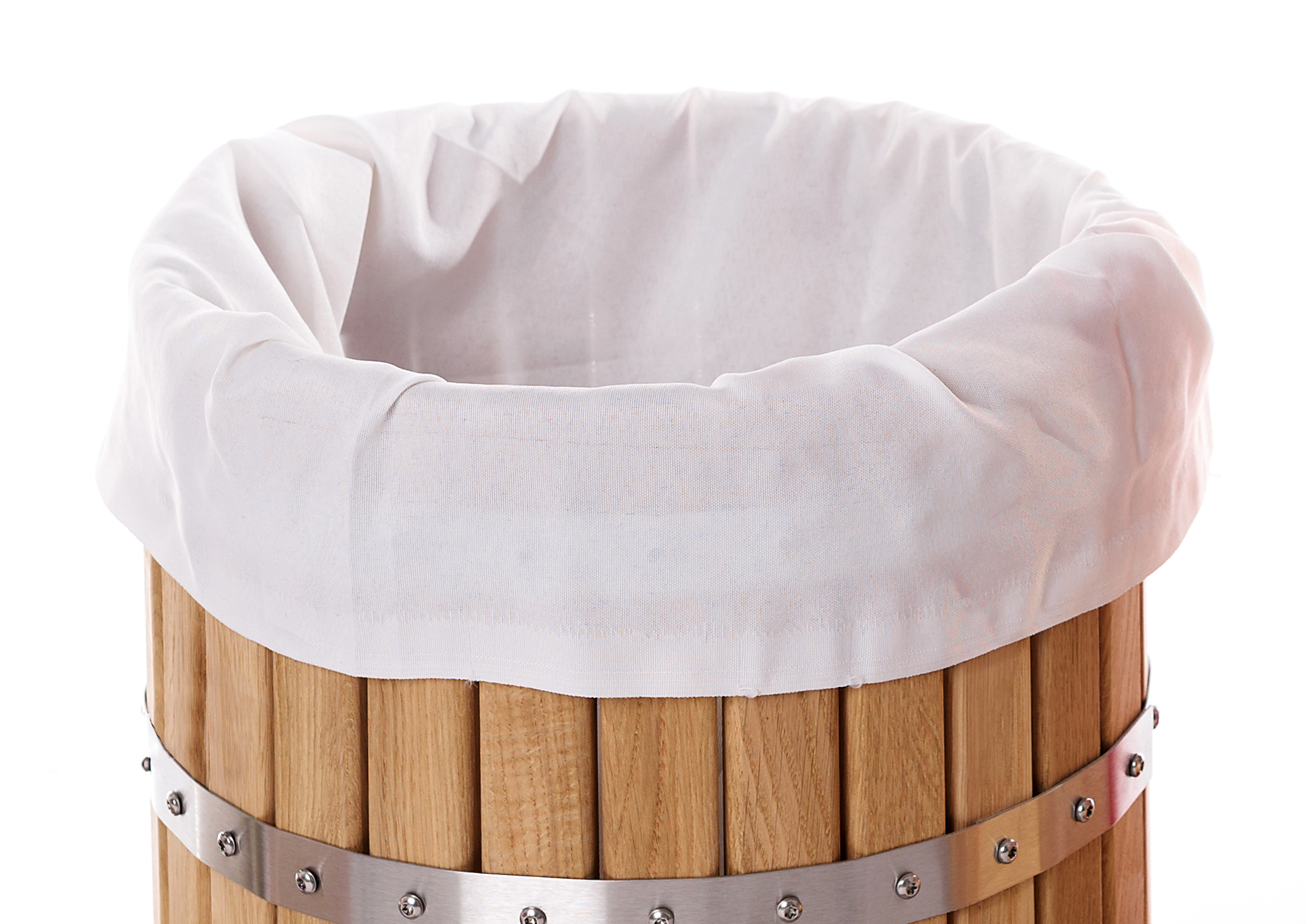
Figure 1. Juice filtration bag, 100% polyester (Manufacturer: APPLE PRESS LTD.)
Linen fabric is very strong, one of the few fabrics that is stronger when wet than when dry. Linen bags are slightly more expensive, but more environmentally friendly, as replacing the bag does not introduce plastic into nature. Linen is a natural fiber that completely decomposes naturally.
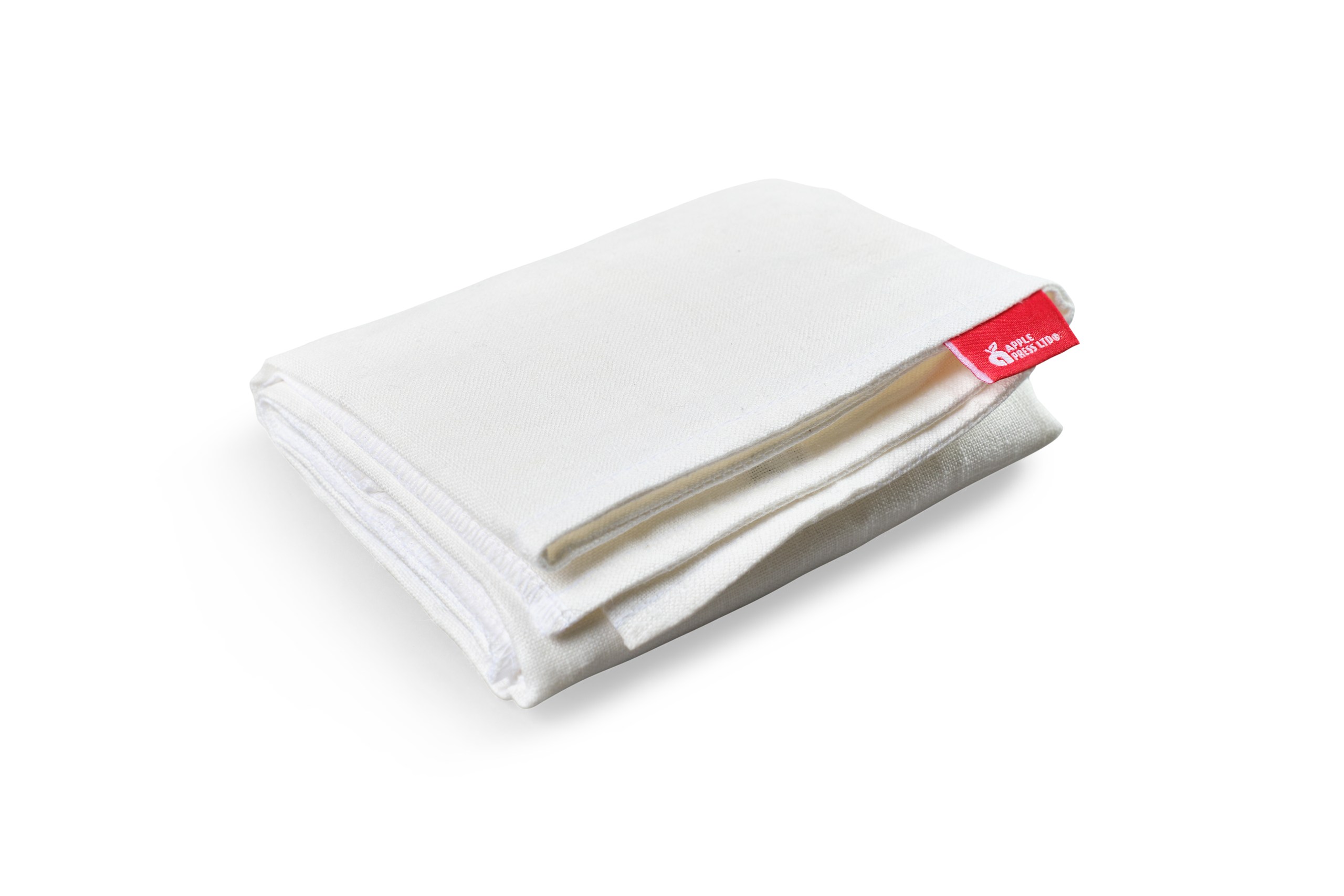
Figure 2. Juice filtration bag, 100% linen (Manufacturer: APPLE PRESS LTD.)
If you want to obtain juice with pulp, you need to use a coarse mesh bag (100% polypropylene). Such a bag is suitable for squeezing juice from plums, apricots, peaches, red currants, black currants, and other berries and fruits. A coarse mesh bag can also be used for apples, pears, and grapes, but the juice will be less transparent in this case.
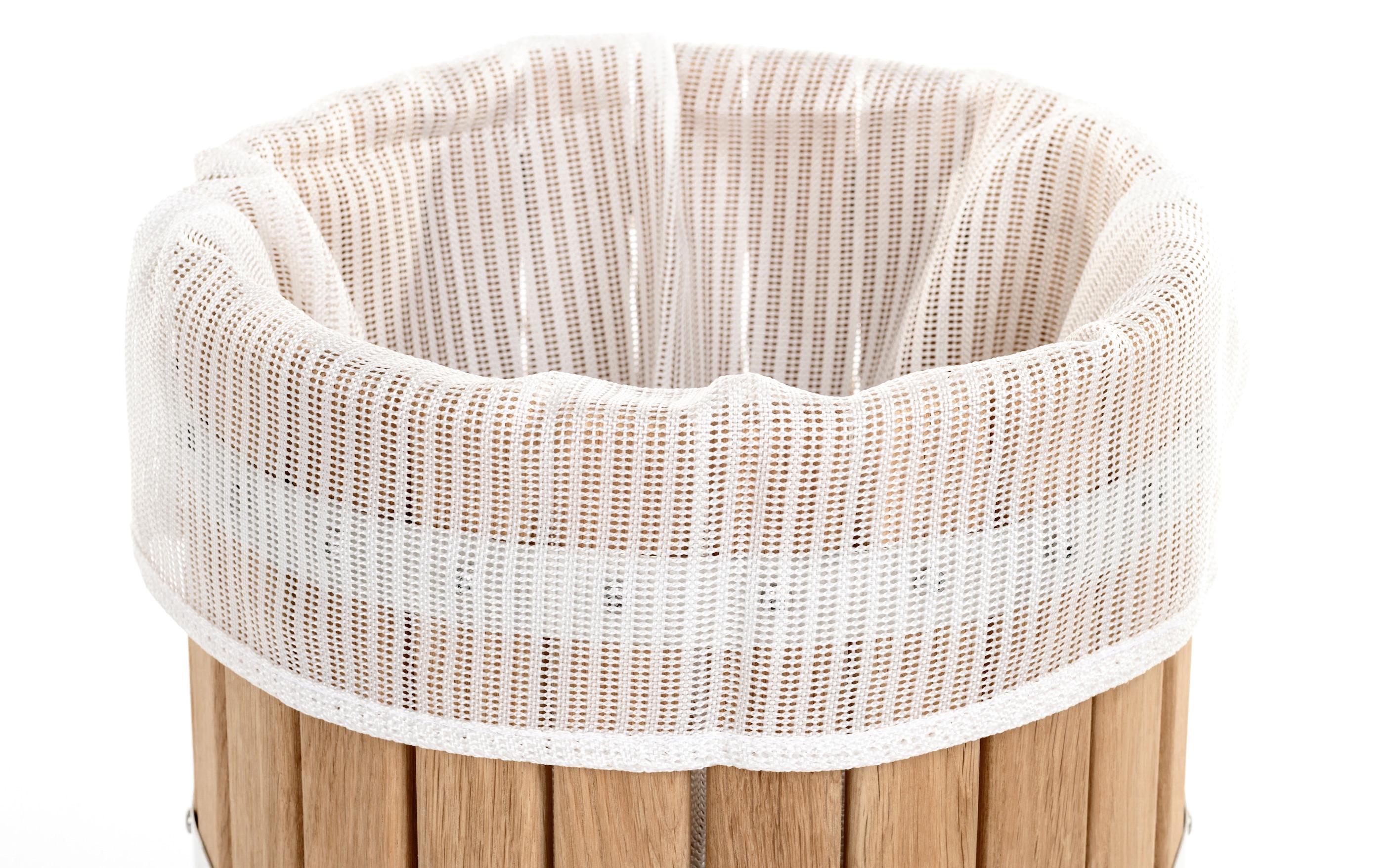
Figure 3. Juice filtration bag with coarse mesh, 100% polypropylene (Manufacturer: APPLE PRESS LTD.)
Recommendation: it is always good to have one spare bag so that the juice extraction process does not stop due to a torn bag.
© APPLE PRESS LTD. All rights reserved.
Copying, distributing, and using text, images, or any other materials from the site without the written permission of the copyright holder is prohibited.
