How to make blackcurrant juice using a press
Black currant berries have a jelly-like pulp, are poorly pressed, and have tiny fibers that quickly clog the filtration bag, which is why preliminary preparation is necessary to obtain juice. So there are several methods for extracting juice from berries with such a structure.
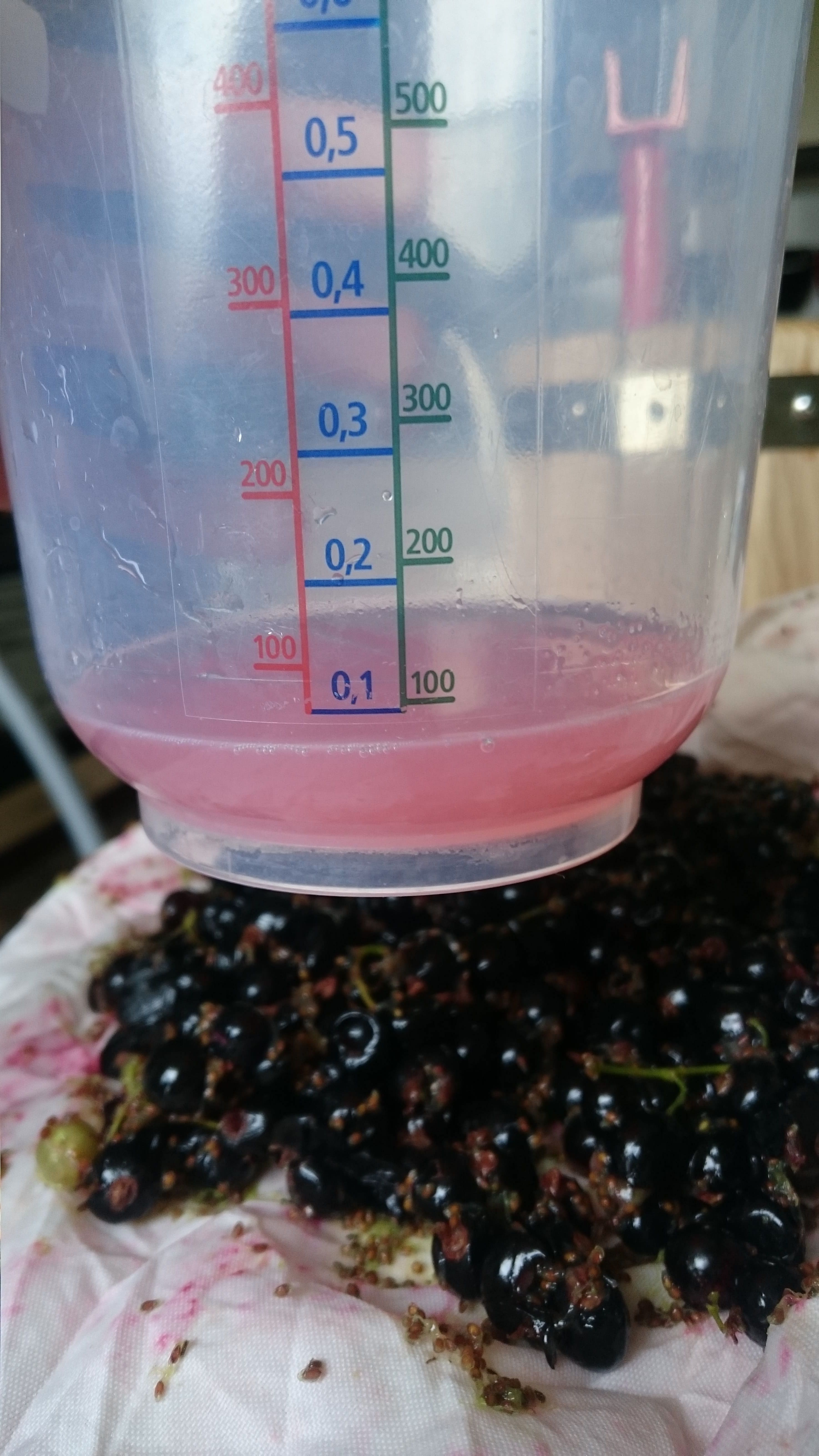
Figure 1. Juice from black currants obtained using a press
Method 1 – Soaking (maceration) crushed berries in water
1. Sort and rinse the berries in cool water.
2. Crush the berries using an electric grinder or meat grinder.
3. Pour drinking water over the berries at a ratio of 1 liter of water per 1 kg of crushed berries.
4. Place the container in a cool dark place for 1-2 days (refrigerator or cellar).
5. This way, the berries give the water not only juice but also color and aroma from the skin.
6. Strain the resulting mass using a press basket, tray, and filter bag with a coarse mesh, and squeeze the remaining berry mass using a press.
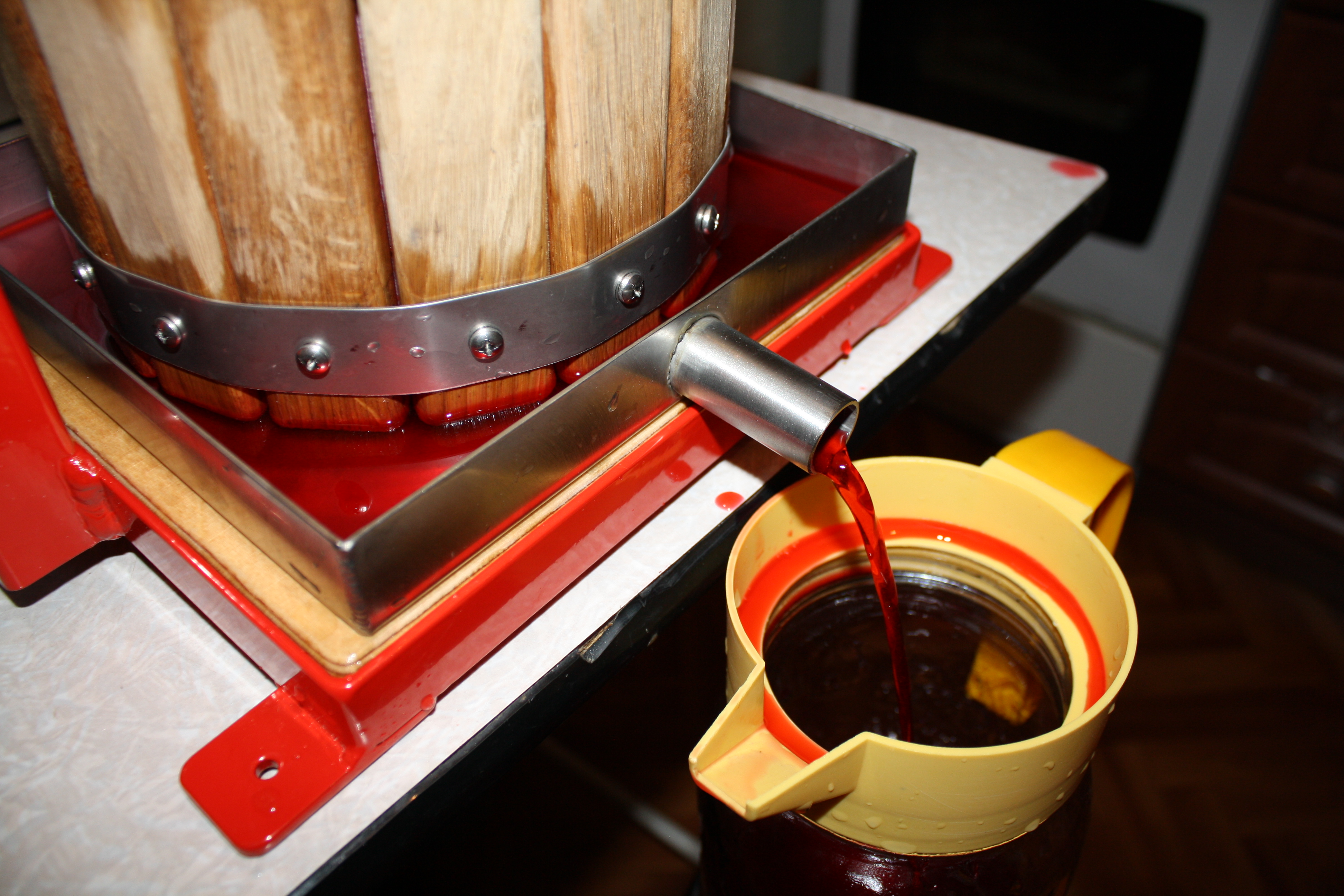
Figure 2. Juice extraction from black currants using the VP-3 screw press (Manufacturer: APPLE PRESS LTD.)
You need to use a bag with a coarse mesh so that the juice can seep through with a small amount of pulp. A bag with a fine mesh will clog quickly.
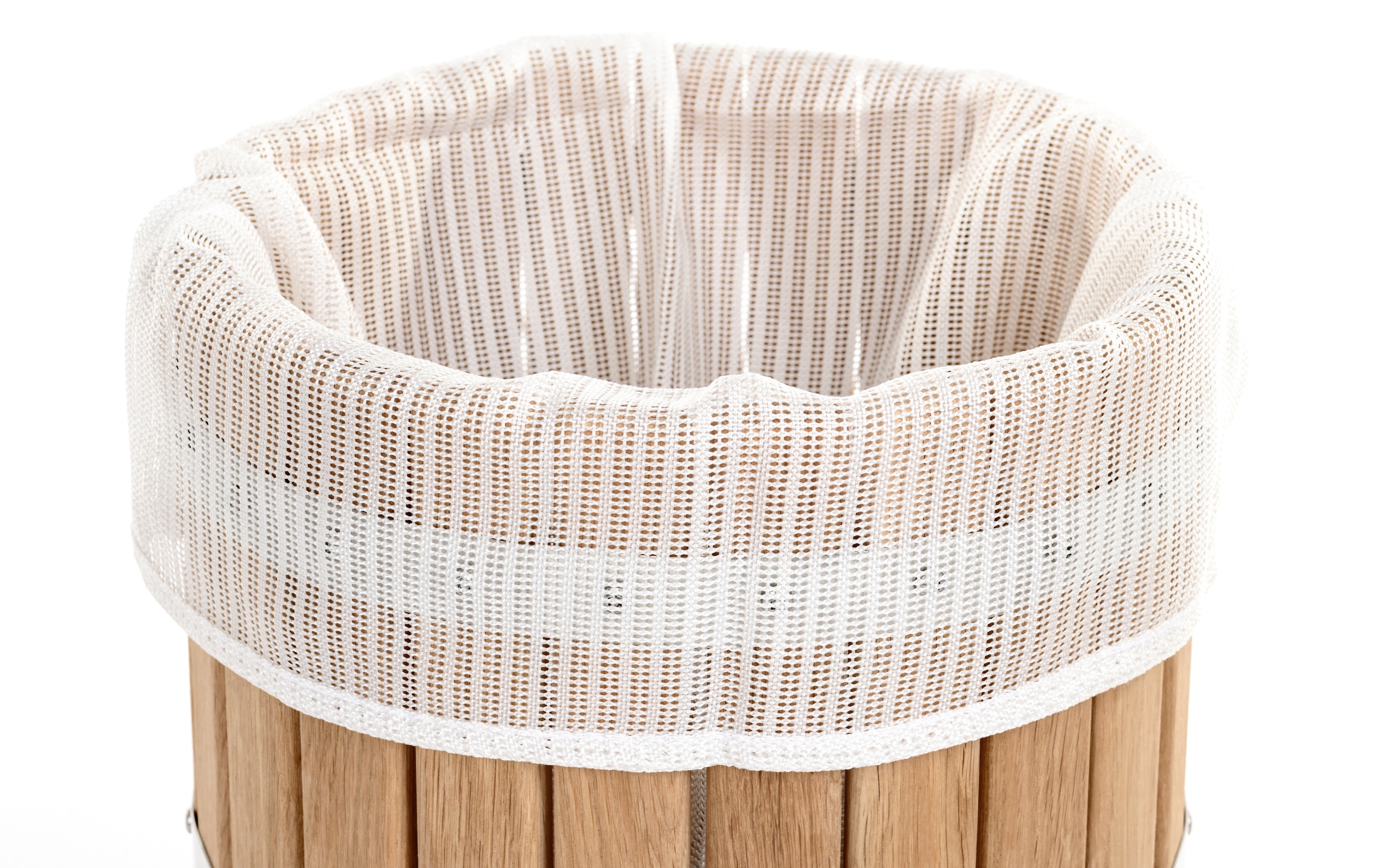
Figure 3. Juice filtration bag with a coarse mesh (Manufacturer: APPLE PRESS LTD.)
7. Add sugar to taste. For this, pour part of the obtained juice into a pot, add the necessary amount of sugar for the total volume of juice, place it on the heat, and heat the juice while stirring until the sugar dissolves. Then pour the juice with sugar back into the container with the cooled juice and mix.
This juice can be consumed fresh for up to 1 week (when stored in the refrigerator).
The juice can also be pasteurized and bottled in glass bottles.
In this case, sugar can be added during heating.
Method 2 – Adding enzymes
For effective juice extraction from black currants, special enzyme preparations containing pectinases can be used — enzymes that break down pectins in the skin and pulp of the berries, facilitating pressing and increasing juice yield.
How to use (general scheme):
1. Sort and rinse the berries in cool water.
2. Heat the crushed berry mass to ~40–50 °C (if permissible).
3. Add the enzyme according to the manufacturer's dosage (for example, 0.02–0.1% of the raw material mass).
4. Let it sit for 1–2 hours, stirring periodically.
5. Squeeze the juice using a press and a filter bag with a coarse mesh.
Enzymes are usually used in industrial juice production, as well as in winemaking. Soaking berries in water is the simplest, most accessible, and 100% natural method.
© APPLE PRESS LTD. All rights reserved.
Copying, distributing, and using text, images, or any other materials from the site without the written permission of the copyright holder is prohibited.
