Which apple grinder should I choose?
Fruit crushers help prepare raw materials from apples, pears, other fruits, and berries for subsequent juice pressing. After crushing, the fruit presses well, which ensures the best possible juice yield.
When choosing an apple crusher, it is worth paying attention to the materials from which the crusher parts are made, the manufacturing quality, the design, performance, and the resulting particle size. All of this affects the quality of the final product (juice, cider, wine, apple cider vinegar).
First, the article will describe the main types of apple crushers and their design, and then provide tips on choosing a crusher.
Types of apple crushers and shredders:
Manual or mechanical apple crushers (shredders) for juice
Manual apple crusher with a wooden cylinder and screwed-in self-tapping screws
This is the simplest design of a manual apple crusher, which can easily be made by yourself. However, during crushing, the apples need to be pressed against the crushing cylinder.
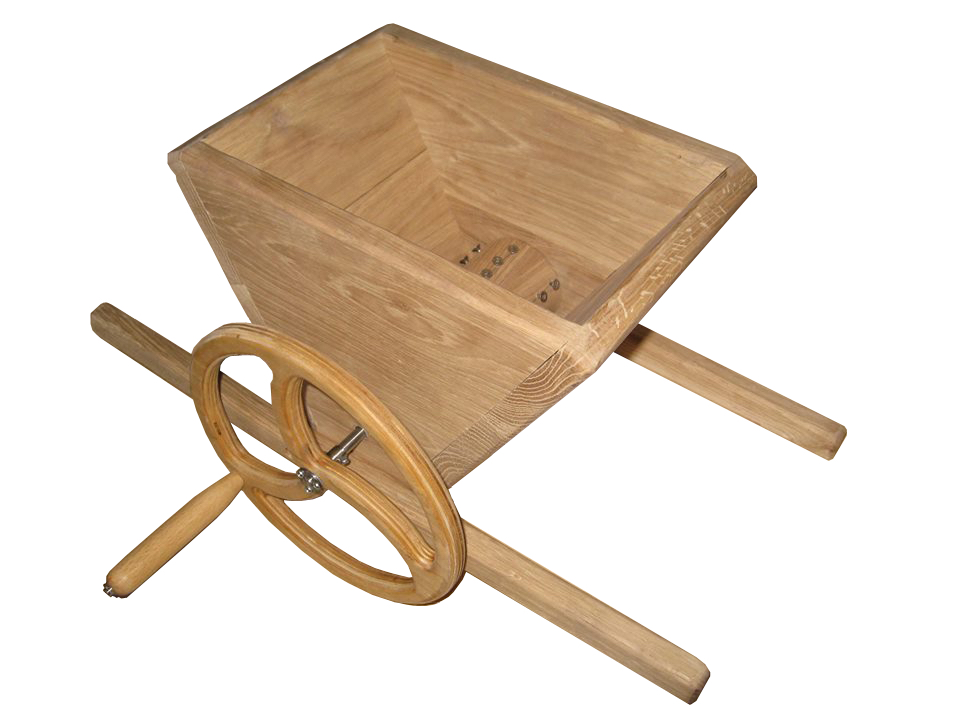
Figure 1. Manual crusher RS-1 (Manufacturer: APPLE PRESS LTD.)
Manual apple crusher with a large-diameter crushing cylinder
Due to the large diameter of the crushing cylinder, the apples are grabbed automatically and do not need to be pressed down.
Video 1. Manual crusher RS-2 (Manufacturer: APPLE PRESS LTD.)
Manual apple crusher with two crushing cylinders and blades
The design of such a manual mechanical fruit crusher consists of a housing with two crushing rollers and blades that rotate toward each other. The blades crush the apples, and the rollers grab them and push them downward, breaking them into smaller pieces.
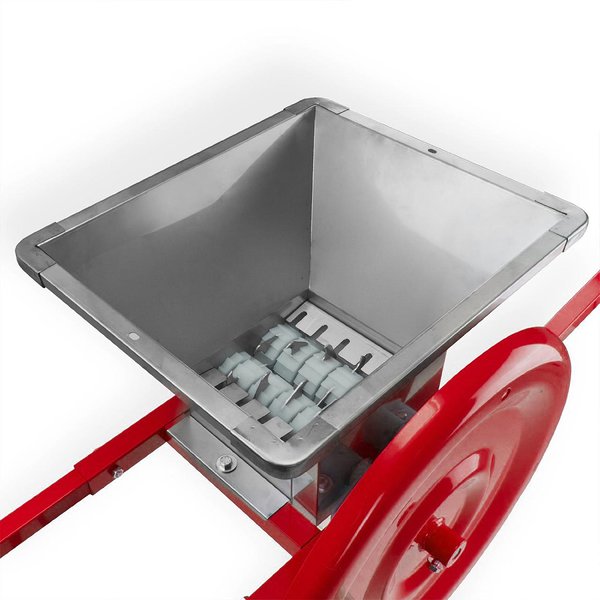
Figure 2. Manual crusher BAESSO 100 (Manufacturer: Fratelli BAESSO s.n.c.)
Drill-powered crushers (apple crushers powered by a drill)
Apple crusher made from a bucket
The design of such a crusher consists of a plastic bucket whose lid has a centering bushing for the blade. Apples are loaded into the bucket, the bucket is closed with the lid with the inserted blade, and the lid is secured. Then the blade is clamped into the chuck of a hammer drill, and with reciprocating movements of the rotating blade, the apples are crushed in a few minutes. A retaining ring limits the depth to which the blade is lowered so as not to damage the plastic bucket. Such a crusher is universal and suitable for all kinds of fruits, vegetables, grapes, apples, and berries.
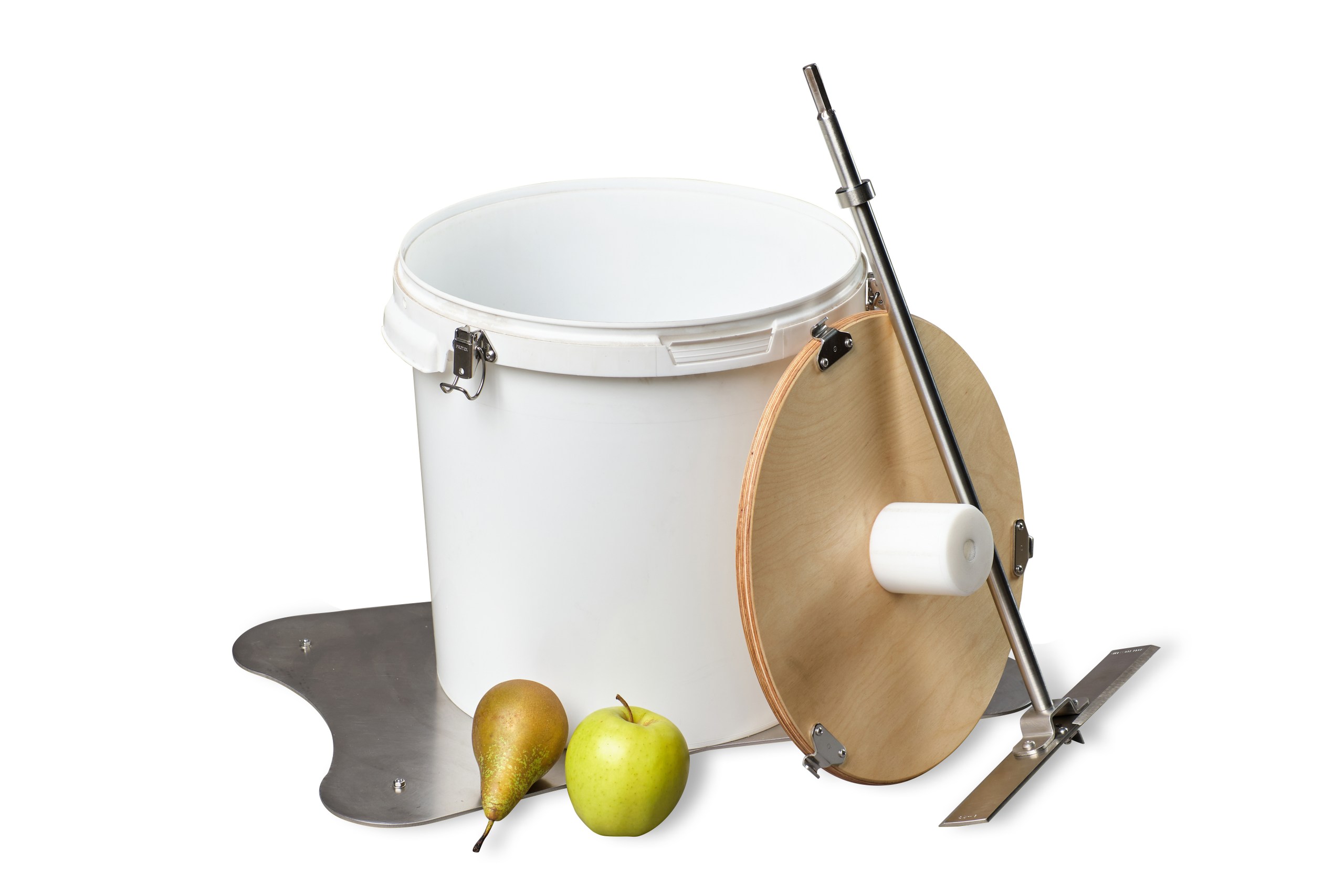
Figure 3. Apple and grape crusher CD-1 (Manufacturer: APPLE PRESS LTD.)
Apple crusher with a crushing cylinder in a wooden or stainless steel housing (
Usually, the cylinder is a wooden cylinder with self-tapping screws screwed into it in such a way that the screw heads protrude by 6–8 mm.
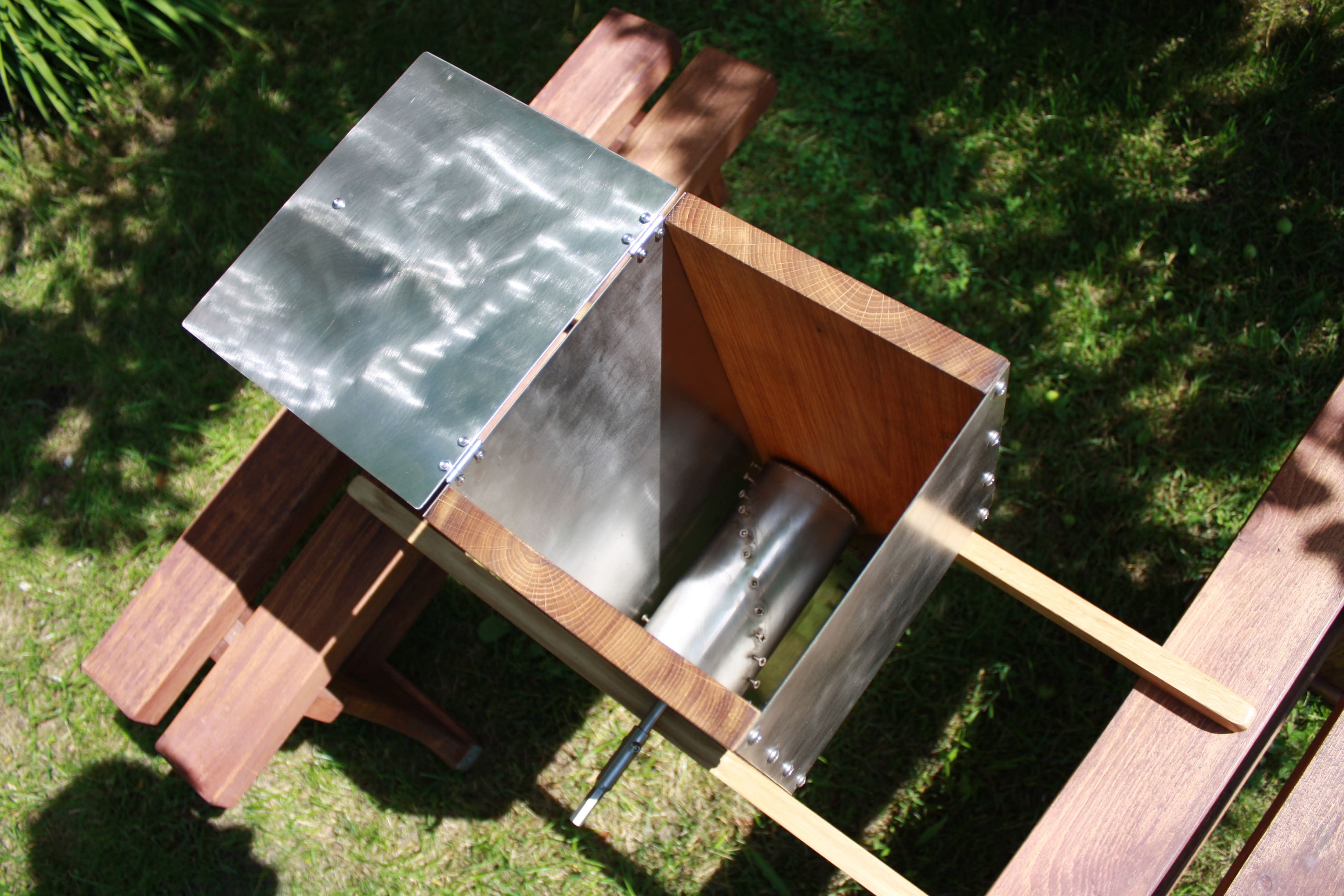
Figure 4. Stainless steel crushing cylinder of the DS-2 crusher (Manufacturer: APPLE PRESS LTD.)
The crushing cylinder can also be made in the form of a potato grater with large cells.
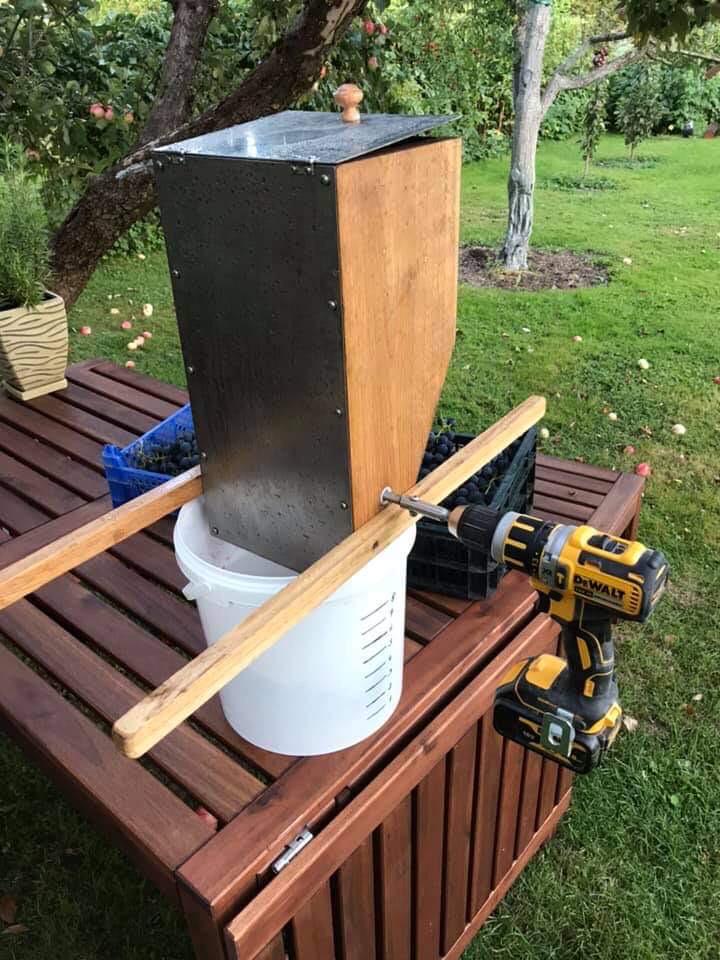
Figure 5. Apple crusher DS-2 (Manufacturer: APPLE PRESS LTD.)
Electric crushers (apple, fruit, and vegetable crushers)
Electric potato grater with blades for apples
The simplest and cheapest option for crushing apples in small quantities is an electric potato grater with apple blades. Such an attachment is perfect for apples and other fruits. In terms of performance, such a grater is ideal for a screw press with a volume of 3–5 liters. The only drawback is that the apples will have to be cut in half.
Video 2. BETM-1 potato grater with apple blades (Manufacturer: UAB Migiris)
Electric apple crusher with a coarse potato grater
A piece of thin stainless steel sheet with punched large potato-grater elements is attached to a large-diameter wooden cylinder or to a stainless steel cylinder. The crushing cylinder is mounted on a shaft in a housing with 2 bearings and is connected to the electric motor by means of a belt or a flexible coupling.
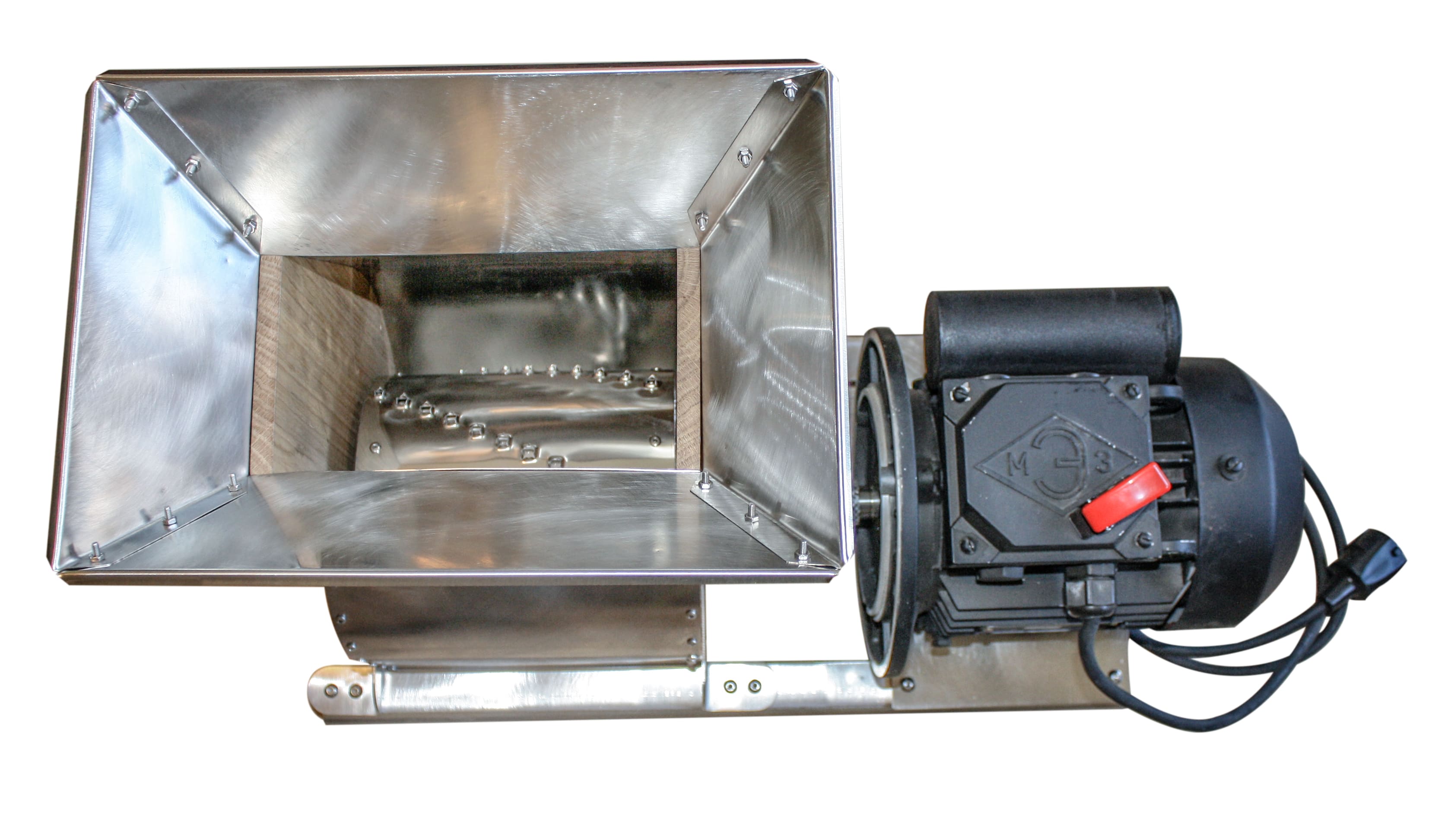
Figure 6. Apple crusher EVS-055 (Manufacturer: APPLE PRESS LTD.)
Electric grater for apples
A fruit crusher of this type has a stainless steel disc with punched holes and sharpened cutting cells (like the coarse side of a kitchen grater used for shredding carrots).
The design of such an apple crusher is simple and reliable. Due to the angle between the tube and the cutting disc, the apples are grabbed automatically during crushing and do not need to be pushed by hand.
This apple crusher can also be used for crushing grapes. The grater works at low speed, and the crushing disc does not damage the integrity of the grape seeds; the stem also remains intact and is pushed through the gap between the crushing disc and the crusher lid. If you are going to make wine rather than juice, it is better to separate the berries from the stems before crushing. Thus, an apple crusher with a grating disc can be used both for cider production and for crushing grapes in winemaking.
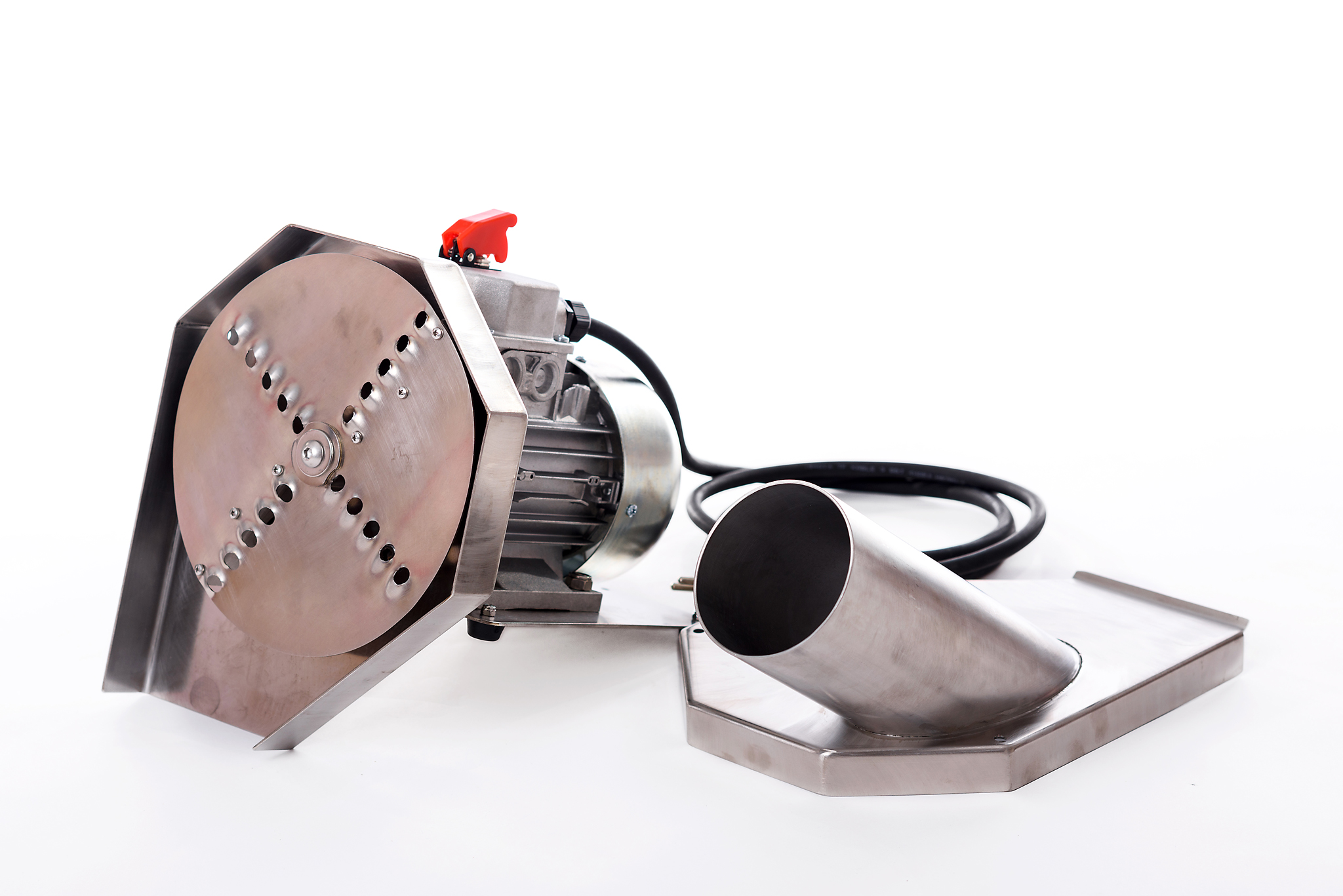
Figure 7. Electric apple crusher ESE-018 (Manufacturer: APPLE PRESS LTD.)
Electric apple crusher with a disc with cutting blades
An apple crusher of this type consists of a housing with a tube for feeding fruit, which, upon reaching the crushing disc with two blades, fly out through the outlet opening.
The disc has additional blades in the center for preliminary fruit crushing and also to prevent apples from getting stuck in the center.
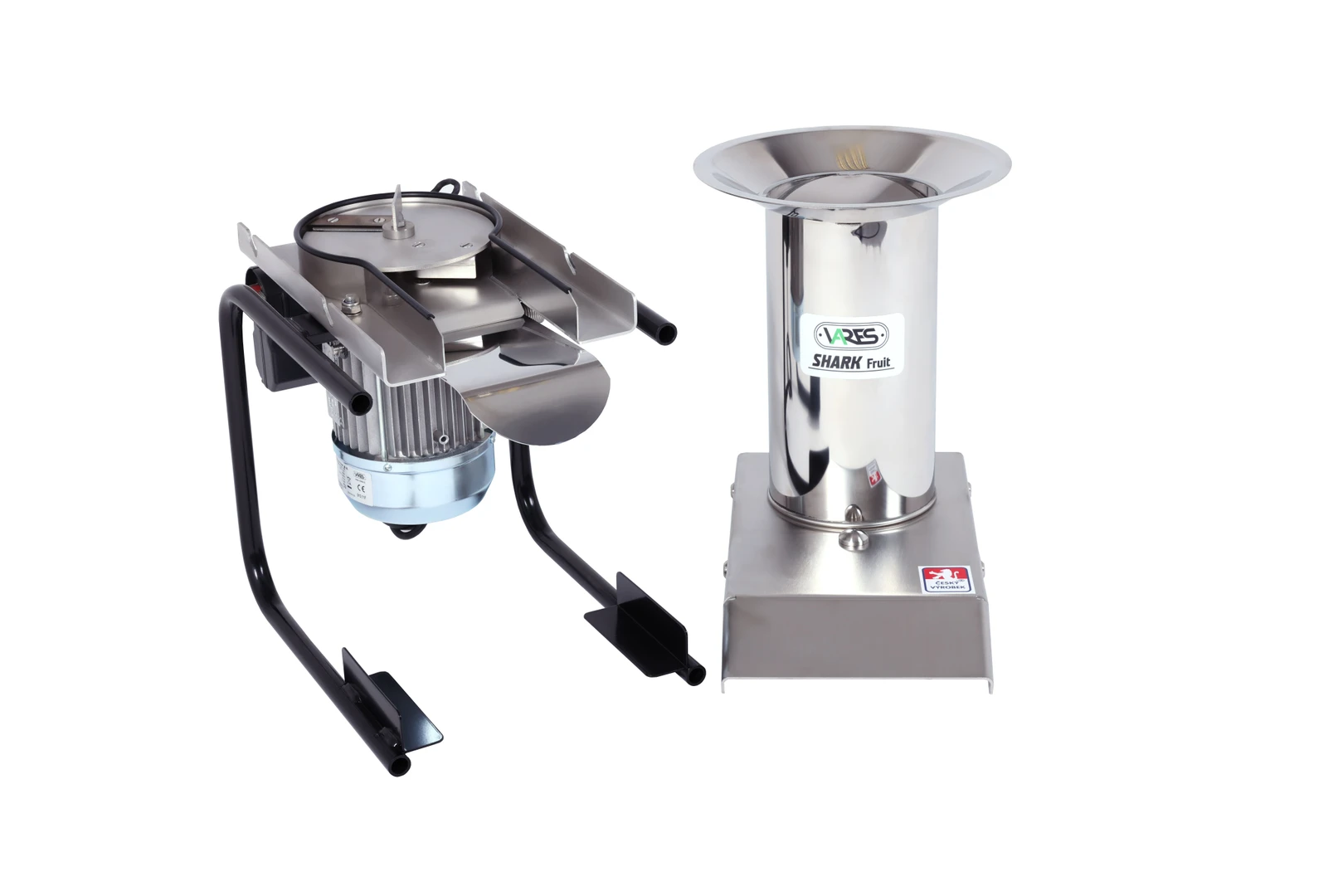
Figure 8. Electric fruit crusher FRUIT SHARK (Manufacturer: VARES Mnichovice a. s.)
Electric apple crusher with 2 crushing cylinders
The crusher consists of a housing with a receiving hopper and 2 rollers that rotate toward each other, grab, and grind the fruit.
The motor is connected via a belt drive.
Video 3. Apple crusher PIPMO (Manufacturer: Grifo Marchetti Srl)
Electric apple crusher with blades and a screen
Through the funnel, the apples enter the crushing chamber, where they are ground into a fine fraction with the help of blades and fly out through the installed screen.
The screens are interchangeable, making it possible to achieve the required fraction of crushed apples.
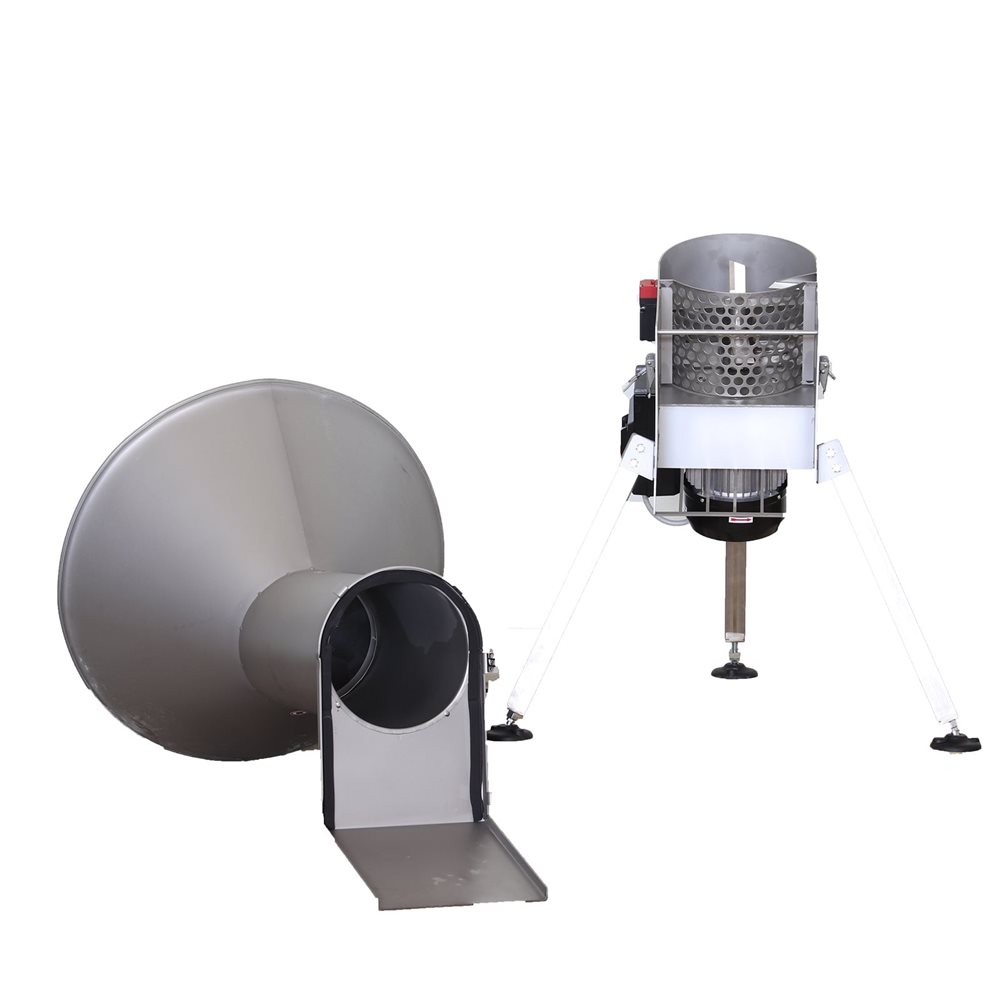
Figure 9. Electric crusher MULIPLUS (Manufacturer: ZAMBELLI Enotech s.r.l.)
Electric apple crusher with a pusher and grater/screen
Through the funnel, the apples enter the crushing chamber, where, with the help of a pusher and a grating section (or screen), they are ground into a fine fraction and fly out through the installed screen. The screens are interchangeable, making it possible to achieve the required fraction of crushed apples.
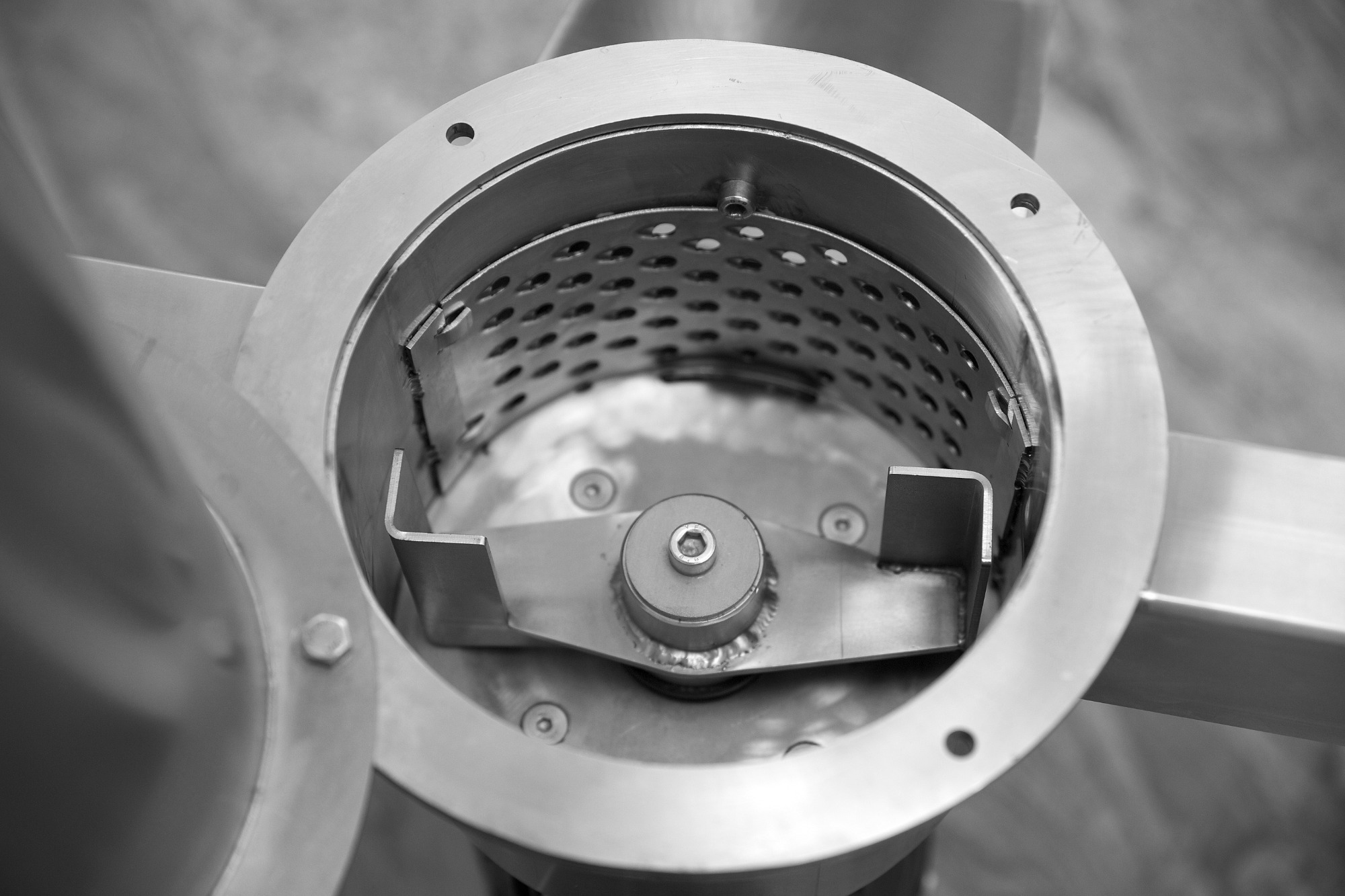
Figure 10. Electric crusher MMS (Manufacturer: Zottel d.o.o.)
Electric apple crusher with a large-diameter crushing cylinder and pusher
A large stainless steel crushing cylinder is installed in the crusher housing. Apples are loaded into the hopper and fall between the crushing cylinder and the pusher. With the help of reciprocating movements of the pusher, the apples are pressed against the cylinder and crushing takes place. By the way, this exact crusher design with an automatic pusher mechanism was used in older VORAN crushers.
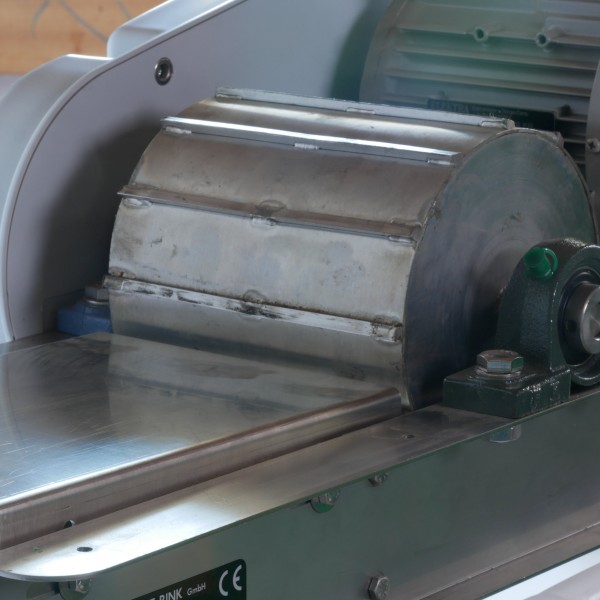
Figure 11. Electric apple crusher RINK (Manufacturer: Helmut Rink GmbH)
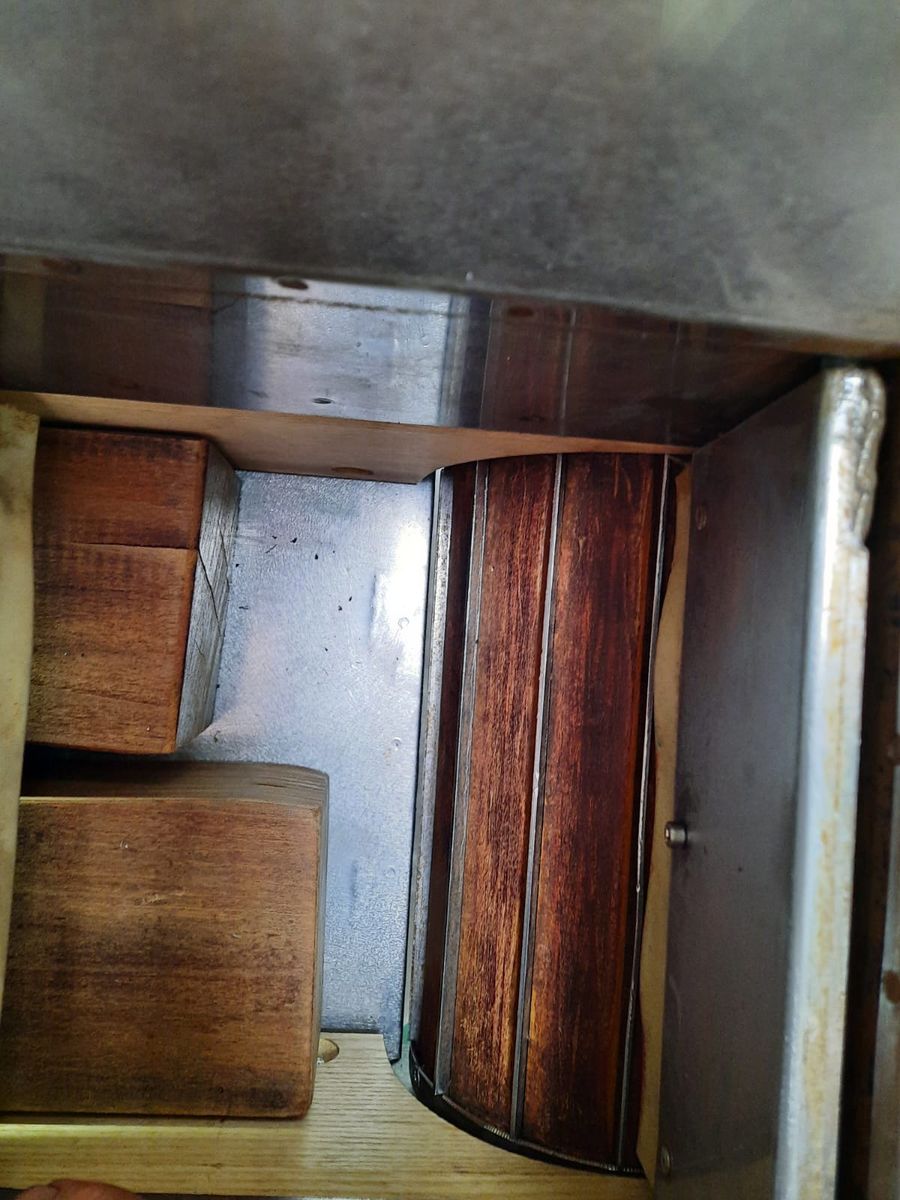
Figure 12. Apple crusher with automatic pusher mechanism (Manufacturer: voran Maschinen GmbH)
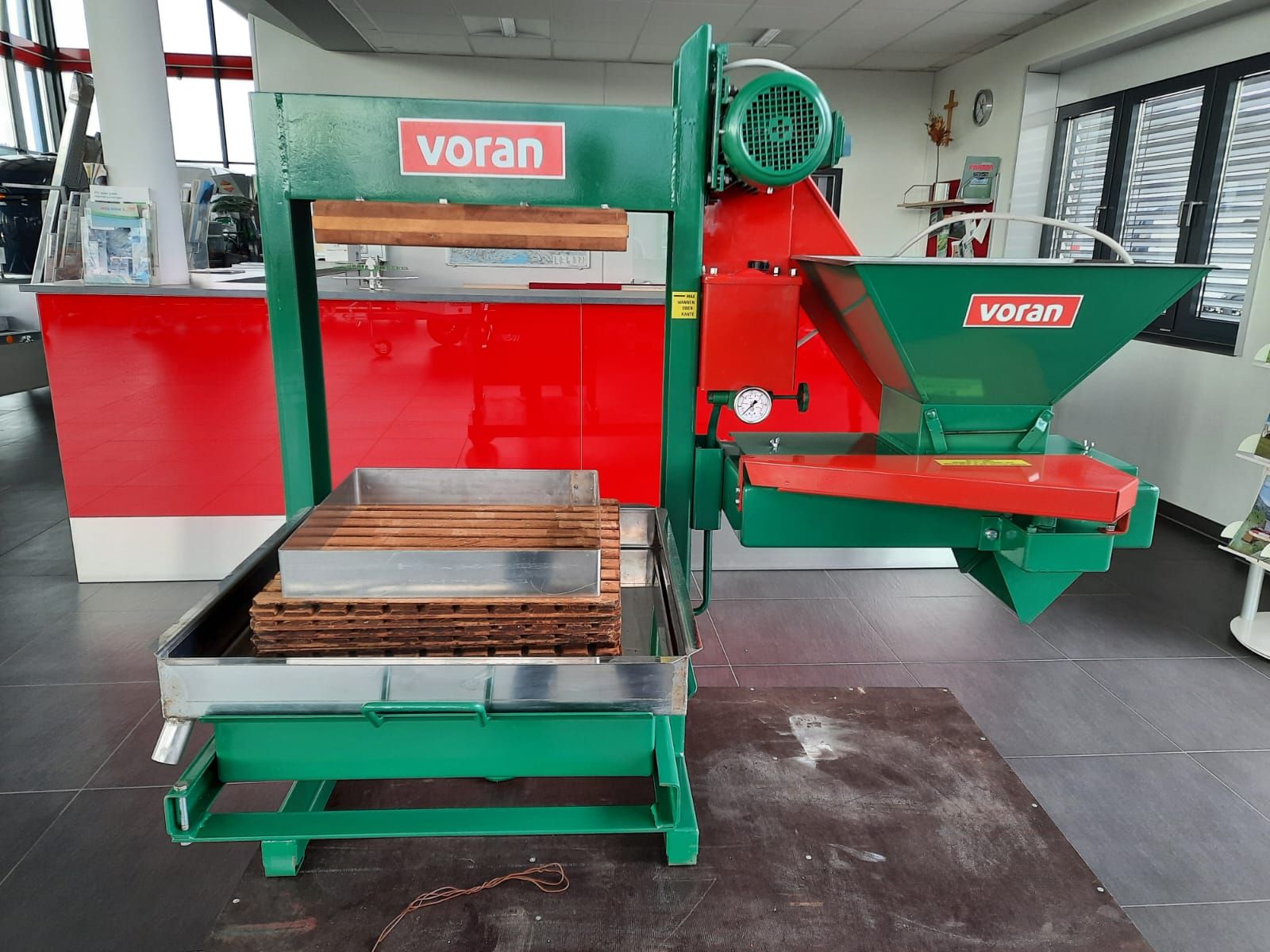
Figure 13. Apple crusher with automatic pusher mechanism (Manufacturer: voran Maschinen GmbH)
Electric apple crusher with a toothed disc
A stainless steel disc with several rows of teeth is mounted on the motor shaft; these work like a crusher rather than a grater. By changing the position of the outlet shutter, the degree of fruit crushing can be adjusted.
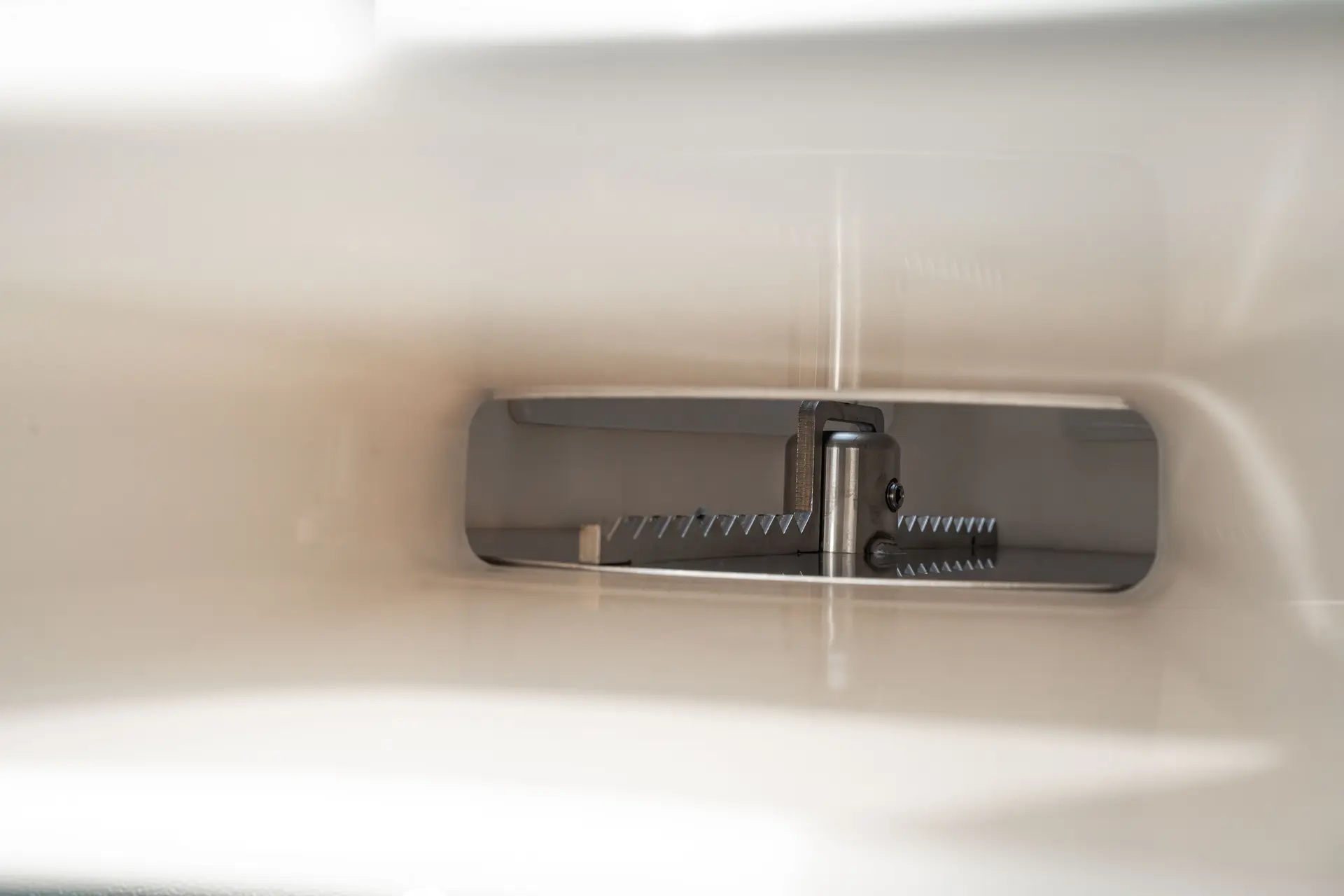
Figure 14. Electric apple crusher Apster 2500 (Manufacturer: Masito OU )
Alternative methods
To crush apples, you can use a powerful juicer with a coarse grater or a food processor. A feed chopper or a grain crusher with a disc for chopping root crops is also suitable, for example, the IK-1 household feed crusher (Manufacturer: OJSC "Mogilevliftmash").
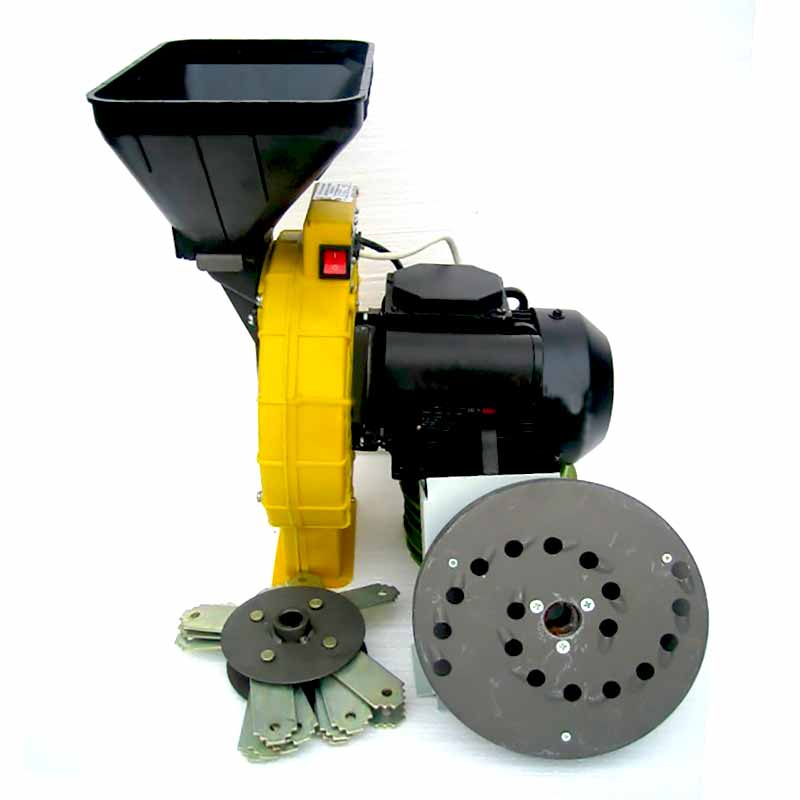
Figure 15. IK-1 household feed crusher (Manufacturer: OJSC "Mogilevliftmash")
Choosing an apple crusher
Materials
Any crusher part that comes into contact with apple juice should be made of natural wood, stainless steel, plastic, or painted metal.
It is best to choose a crusher made entirely of food-grade stainless steel grades 08Х18Н10 (AISI304) or 10Х17Н13М2Т (AISI 316).
Some crusher parts may be made of oak or beech. These wood species are highly durable and do not release any harmful substances into the juice.
Resulting particle size
The optimal size of apple pieces after crushing is about 6–8 mm (similar to how you would grate carrots on a coarse grater). This size is optimal for pressing. A fraction that is too fine will clog the filter bag. Pieces that are too large will not press well. It is worth noting that when crushing apples, the seeds should remain intact, which helps avoid unwanted bitterness in the juice.
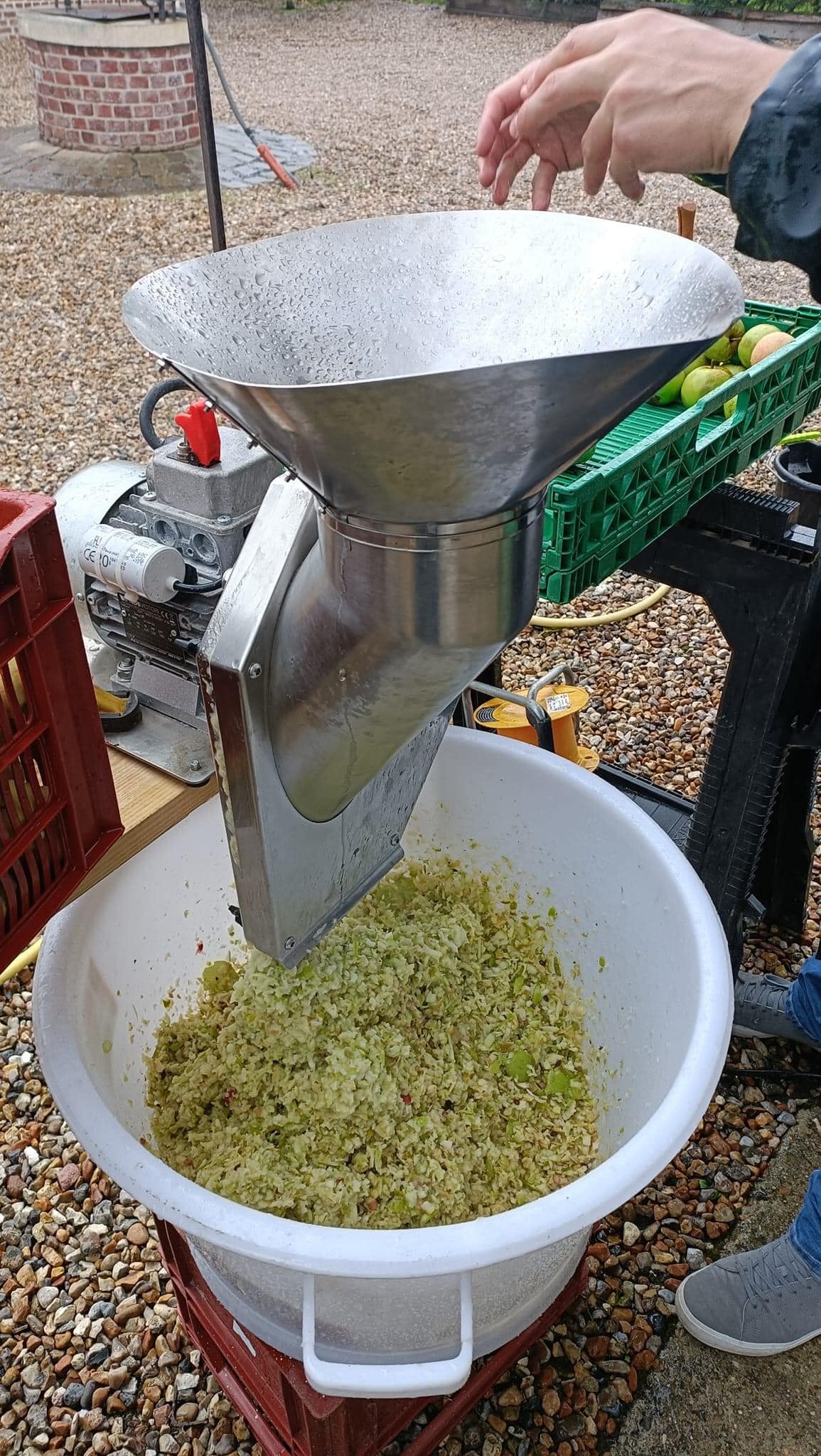
Figure 16. Resulting fraction obtained using the ESE-055 electric apple crusher (Manufacturer: APPLE PRESS LTD.)
Build quality
If you are buying a stainless steel crusher, pay attention to the weld seams. Signs of heat tinting (metal overheating) are unacceptable. All seams must be treated after welding, and the protective oxide layer that increases corrosion resistance must be restored. This process is called passivation.
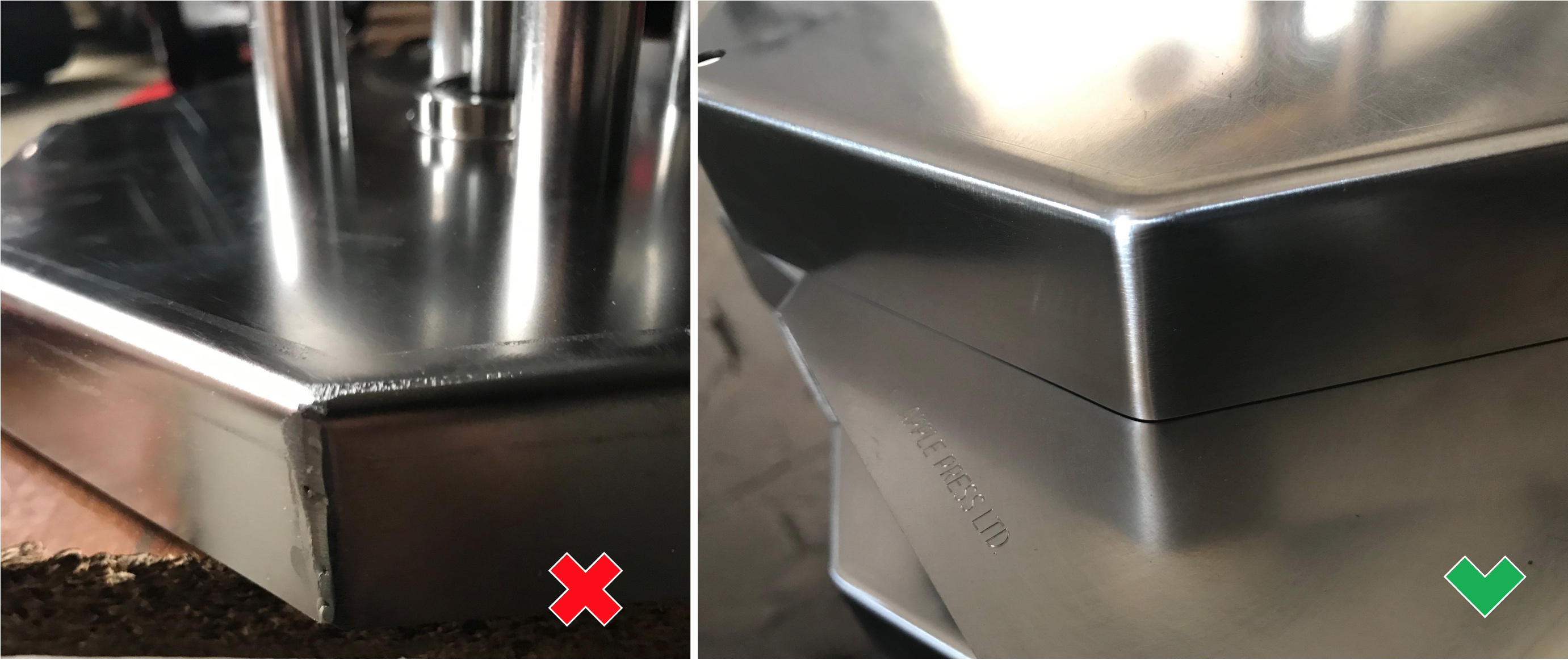
Figure 17. Treated weld seam after welding
It is also worth paying attention to the quality of the weld root. To obtain a proper, high-quality seam during welding, backing gas purging (supplying shielding gas to the reverse side of the seam) is necessary. Otherwise, the reverse side of the seam oxidizes, pores and inclusions appear in the weld root, and corrosion resistance is lost (even with subsequent passivation).
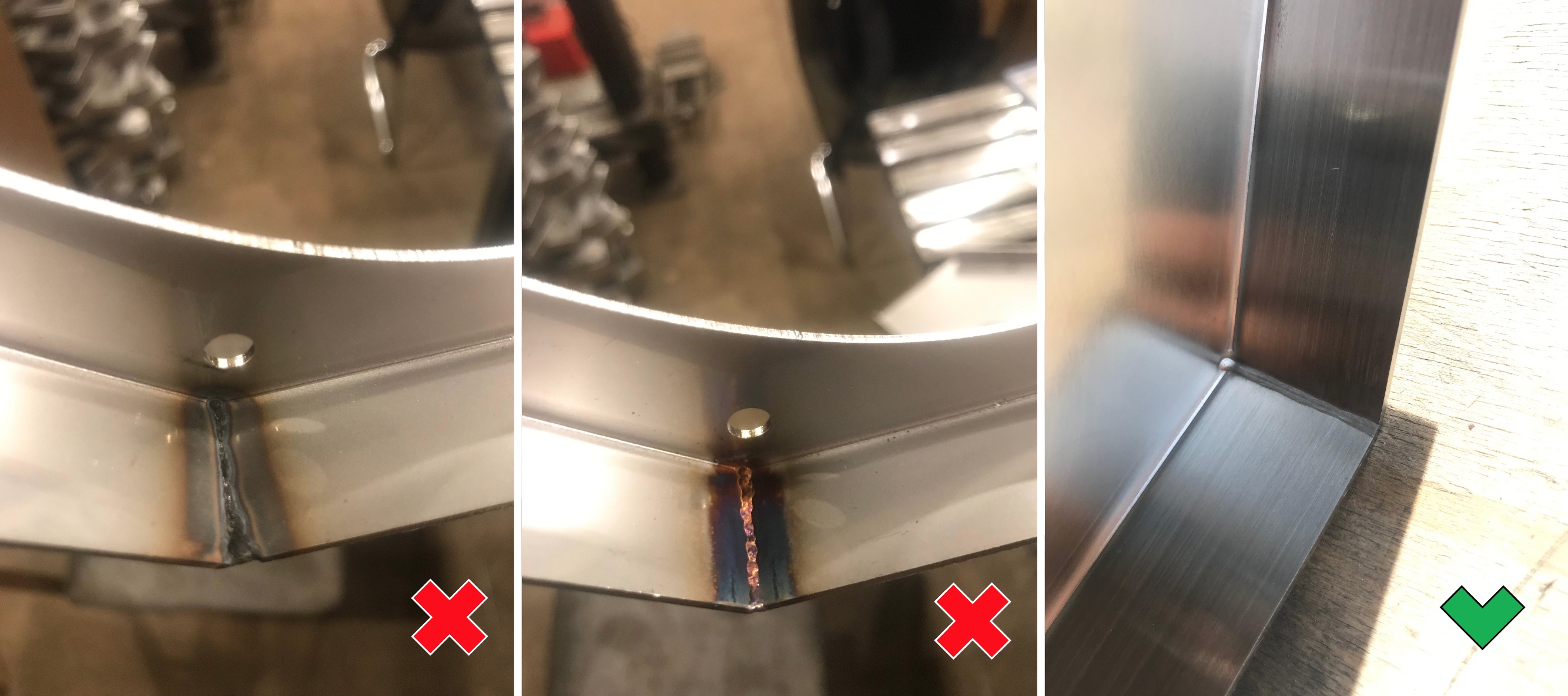
Figure 18. Weld root (1 - welding without backing gas purge, 2 - heat tint traces after welding with backing gas purge, 3 - passivated weld root)
There should be no deep grinding marks or scratches on the processed crusher parts. All of this can become a source of corrosion and bacterial growth in the future.
When in contact with acidic juice, rust may form in such places, and the final product may acquire an iron taste.
In the food and pharmaceutical industries, such seams are considered unhygienic. Microorganisms can accumulate in porous, oxidized areas, which is dangerous. That is why stainless steel tanks usually have a mirror-finished inner surface and no corners, so they can be easily washed.
Metal parts should not have sharp edges; traces of rust and deep scratches must be cleaned off; the surface before painting should be roughened and degreased. The weld seam before painting must be cleaned of scale, spatter, and runs. The shape of the weld seams must be uniform, without lack of fusion, pores, or slag inclusions. All this ensures high paint adhesion to the metal.
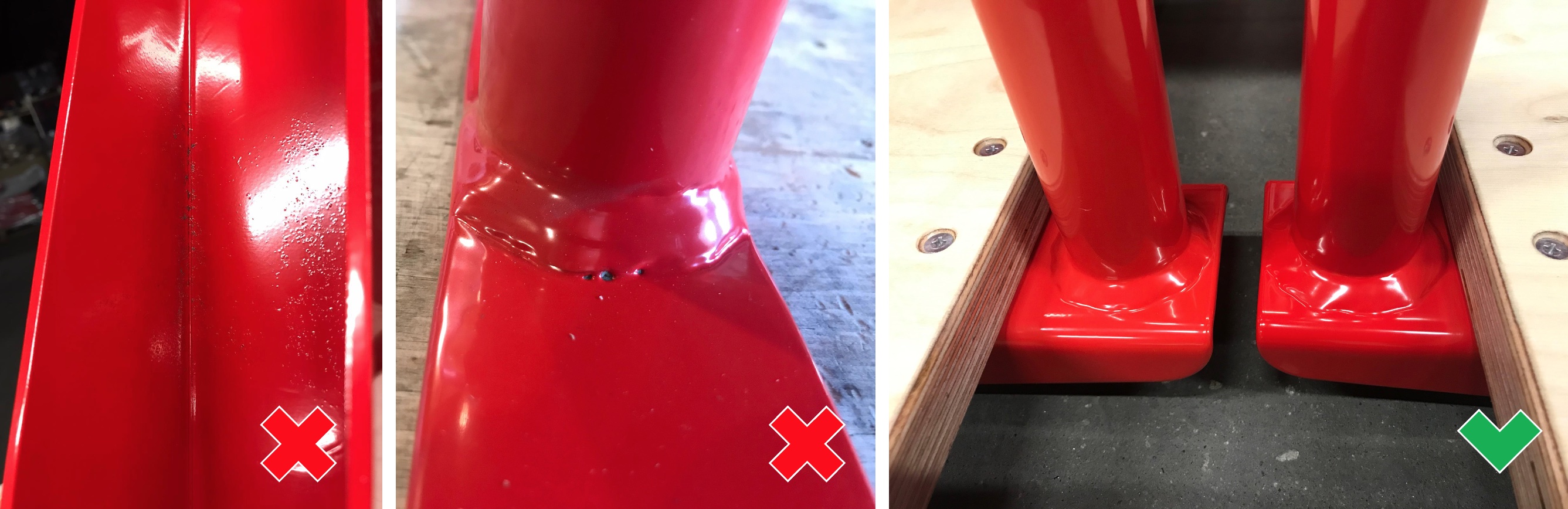
Figure 19. Powder coating of the press frame (1 - coating with foreign inclusions, 2 - unpainted areas, 3 - high-quality powder coating)
Metal parts should not have unpainted areas; the coating layer should be sufficiently thick and free of foreign inclusions (dust, debris).
Wooden parts should be free of cracks and large knots, and the surface should be sanded using fine grit. In places where the wood is defective, the part may break under load, and burrs may tear the filter bag.
Crusher design
A crusher that works on the grater principle usually has a low motor speed (1300–1500 rpm) and operates quietly without creating excessive noise.
Crushers with two cutting blades have a smaller disc diameter and usually operate at 3000 rpm.
If you need to change the particle size of the crushed fruit, it is better to choose a crusher with a pusher and interchangeable screens. Such crushers can also grind stone fruits (apricots, plums), stale bread, and other products.
Crusher performance
When choosing a crusher for fruits or berries, it is worth paying attention to its performance. It is advisable to match the crusher to the press so that the fruit crushing speed and pressing speed are approximately the same. After all, juice is usually pressed by the whole family. One person collects and washes the fruit, another crushes it, and a third is engaged only in pressing. In this case, no one will stand idle waiting for someone else to crush apples for pressing or press the juice and finally free up the container for crushing raw materials.
For a press with a basket volume of 3–10 L, a manual crusher, a drill-powered crusher, or a potato grater with apple blades (capacity 30–50 kg/h) will be sufficient. For example, the DS-1 drill-powered crusher or the Migiris BETM-1 potato grater with apple blades.
For a press with a basket volume of 10–30 L, a small electric crusher with a capacity of 200–300 kg/h will be sufficient. For example, the ESE-018 electric apple crusher. The loading opening diameter is 85 mm, which allows medium-sized apples to be crushed without pre-cutting.
If you grow large apples, it is better to prefer a larger crusher model (ESE-055) so that you do not have to cut the apples before crushing. The loading opening diameter of the ESE-055 model is already 125 mm, and the crusher is also equipped with a fruit loading funnel.
Video 4. Electric apple crusher ESE-055 (Manufacturer: APPLE PRESS LTD.)
For a press with a basket volume of 50–100 L, an electric crusher with a capacity of 400–600 kg/h is already required. For example, the ESE-055 electric apple crusher.
For a small juice production line for direct-pressed juice, a high-performance industrial apple crusher is needed (from 1000 kg/h and above). For example, the SPEIDEL 22200 or BAESSO 995 electric crusher.
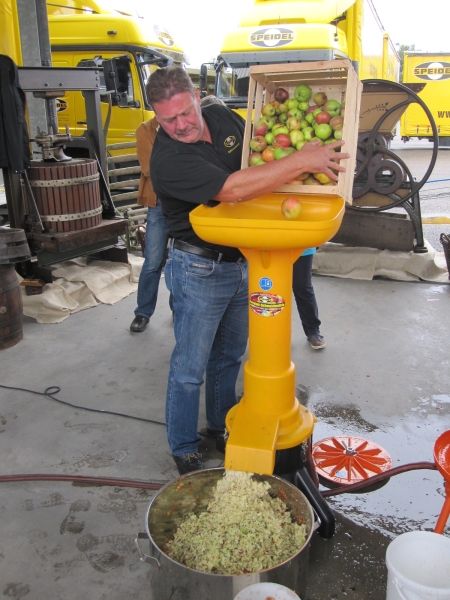
Figure 20. Electric crusher 22200 (Manufacturer: Speidel Tank- und Behälterbau GmbH)
For an automatic juice production line, there are high-performance crushers with a washer and conveyor belt for feeding apples into the crusher.
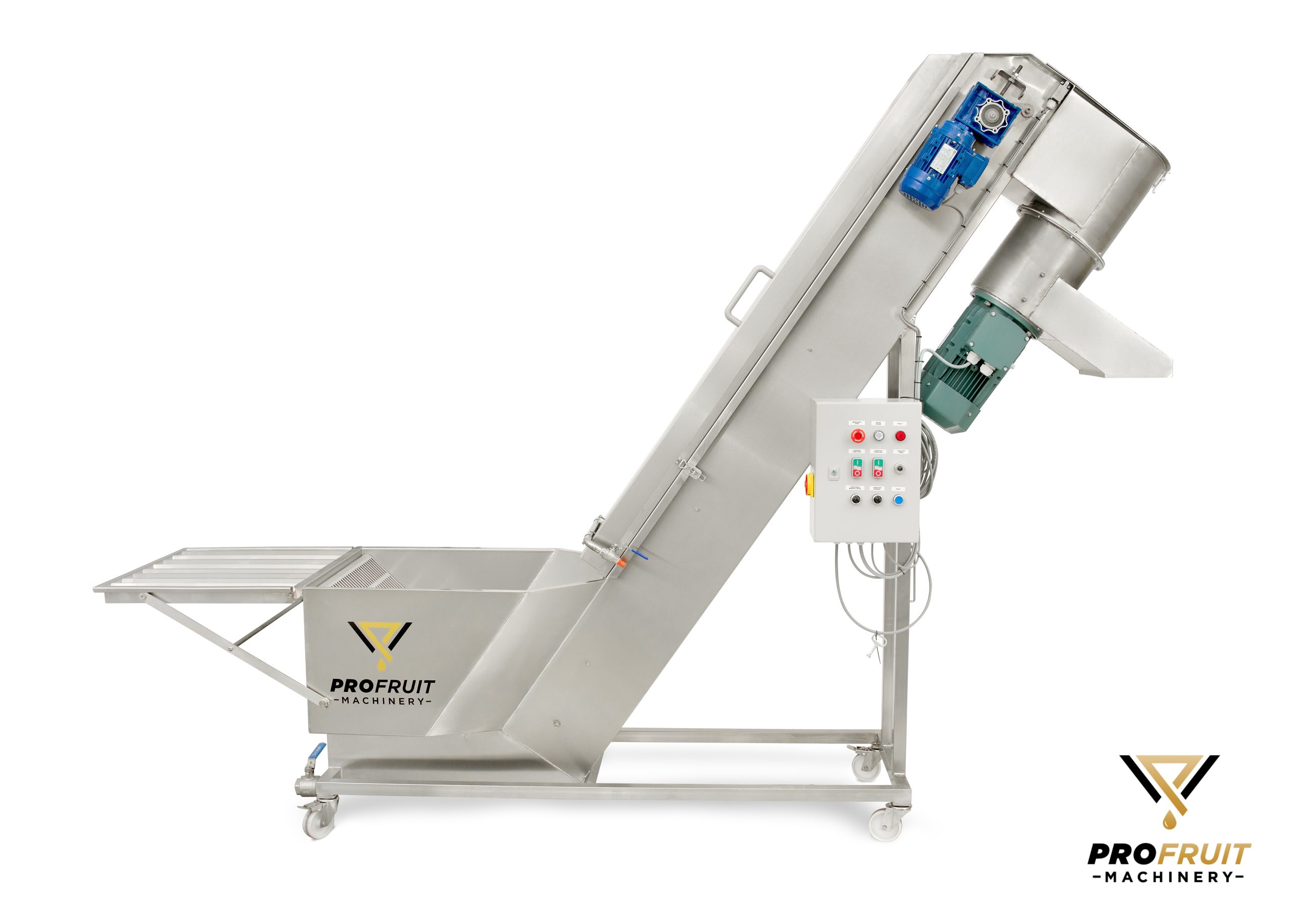
Figure 21. MAXIMILL 3000 fruit washer-elevator-crusher (Manufacturer: JSC “ProFruit Machinery”)
Packaging
No matter how good an apple crusher is, unreliable packaging that causes the product to be damaged during delivery can spoil your impression of the purchase.
Pay attention to the packaging of the apple crusher. The crusher must be packed in a box made of sturdy cardboard; it should not move freely inside the box; all empty spaces must be filled with inserts made of polyethylene foam, cardboard, styrofoam, or other filler. Impact-resistant packaging must be designed to pass through dozens of logistics centers and reliably protect the crusher from shocks and falls during transportation. Large and heavy crushers must be transported only on a pallet.
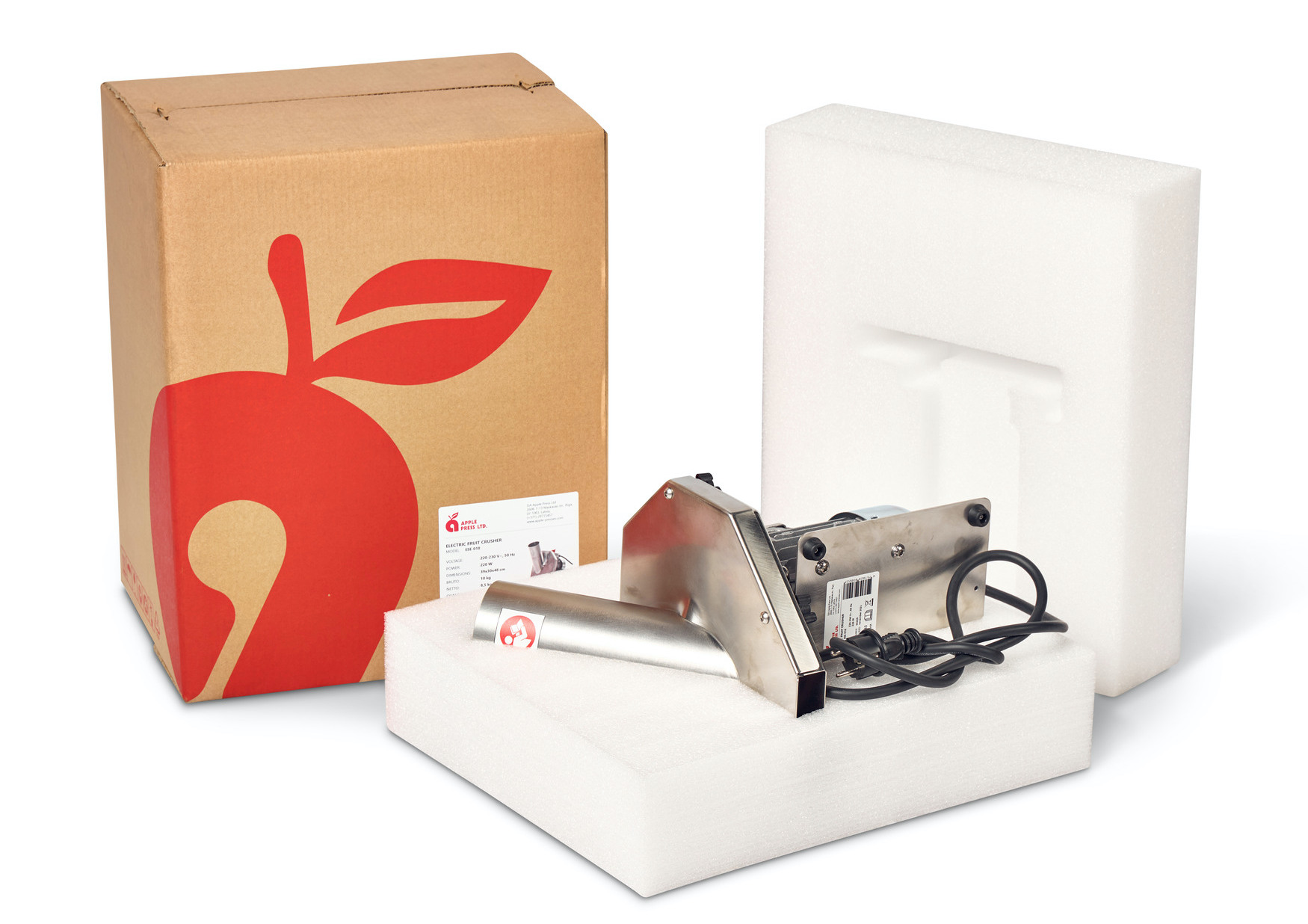
Figure 22. Shock-resistant packaging of the ESE-018 apple crusher (Manufacturer: APPLE PRESS LTD.)
It is also worth paying attention to the environmental friendliness of the packaging. It is best if the box is fastened with metal staples rather than tape. Plastic tape interferes with the subsequent recycling of cardboard. Shock-resistant inserts should be made of cardboard (for example, honeycomb) or polyethylene foam. There are far fewer collection points for styrofoam, and it often has to be thrown into the container for unsorted waste, ending up in a landfill without further recycling.
And of course, from an environmental point of view, it is better to buy a higher-quality apple crusher right away—one that will serve you for many years and can be passed down from generation to generation.
This article is based on many years of experience in the manufacture and sale of apple crushers, as well as other equipment for juice pressing, winemaking, and beverage production.
You can ознакомиться with the range of apple crushers in our online store:
Which press should you choose for pressing juice from apples? - read here
© APPLE PRESS LTD. All rights reserved.
Copying, distribution, and use of the text, images, or any other materials of the website without the written permission of the copyright holder is prohibited.
