9 ways to preserve apple juice for the winter
Any method of preserving juices is aimed at stopping the growth of bacteria and yeast, preventing contact with air (oxidation), and protecting from direct sunlight.
Method 1. Glass bottles or jars
Squeeze the juice using an apple press. Pour the juice into a pot. If the juice is too acidic, you can add sugar to taste. Heat to 80°C and hold at that temperature for about 5 minutes. Then pour into sterilized bottles. Seal the bottles with sterilized caps. Turn the bottles upside down and cover with a towel. Allow to cool.
Storage: up to 1 year in a cool place.
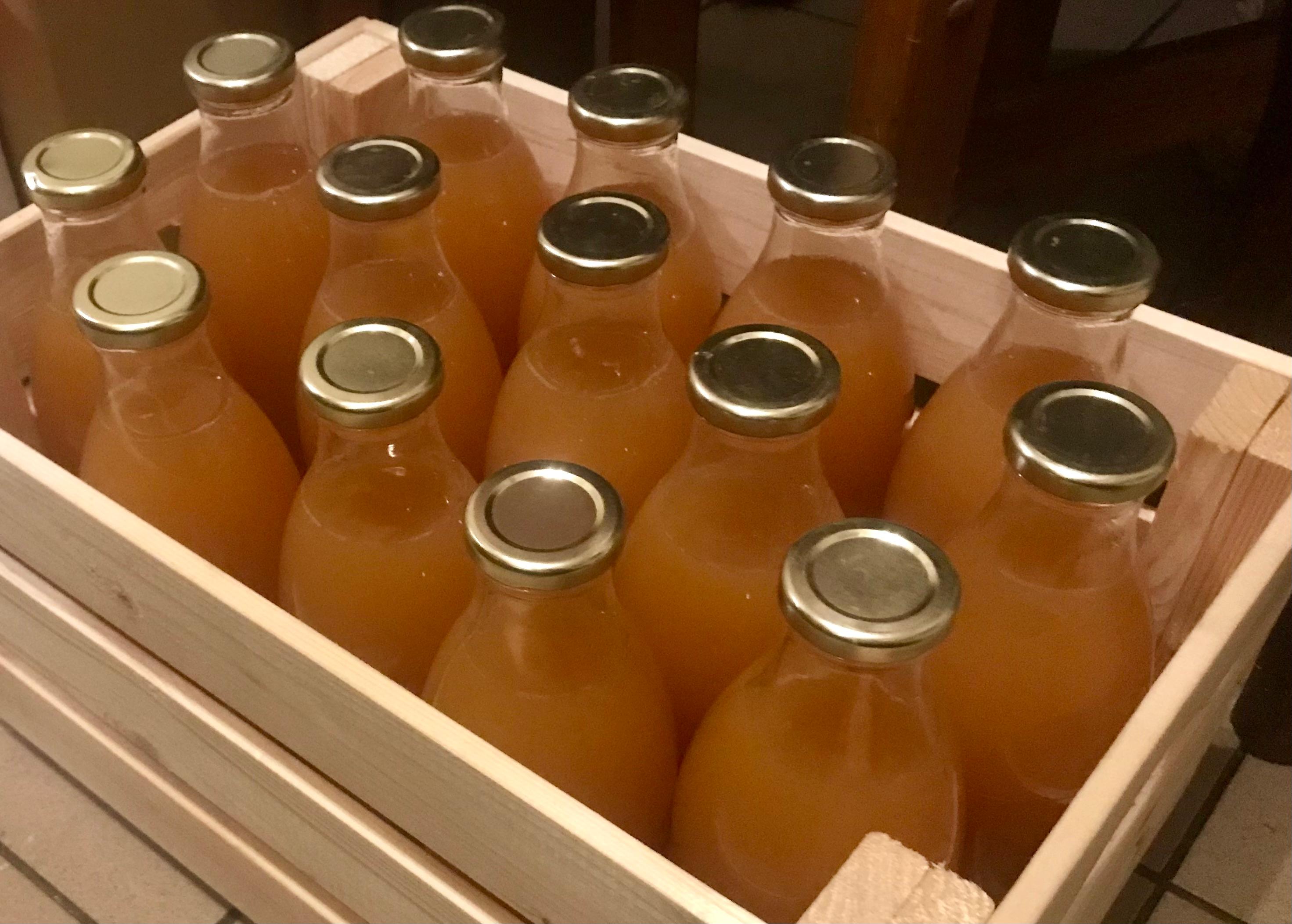
Figure 1. 1 L glass juice bottle with metal cap TO-43 "Twist-Off"
Method 2. Bag-in-Box® juice bags
You can also use the Bag-in-Box® system for storing juice: a plastic bag is filled with hot pasteurized juice and placed in a cardboard box. The bag made of multi-layer barrier film, hermetically sealed under vacuum, protects the juice from oxygen, foreign odors, and bacteria. Even in an open bag, juice can be stored for about 1 month. The main thing is that after opening, the box is kept in a horizontal position with the tap down. This is necessary to prevent air from entering the bag while pouring juice.
Bags come in sizes of 1.5 L, 3 L, 5 L, 10 L, 20 L, and 220 L for storing juices and wines. This form makes it easy to store and transport juice.
Bags can be transparent or metallized (for protection from light).
Storage: juice packed in a bag lasts at least 1 year. Opened (if with a tap and no air gets inside) - in the refrigerator - up to 30 days.
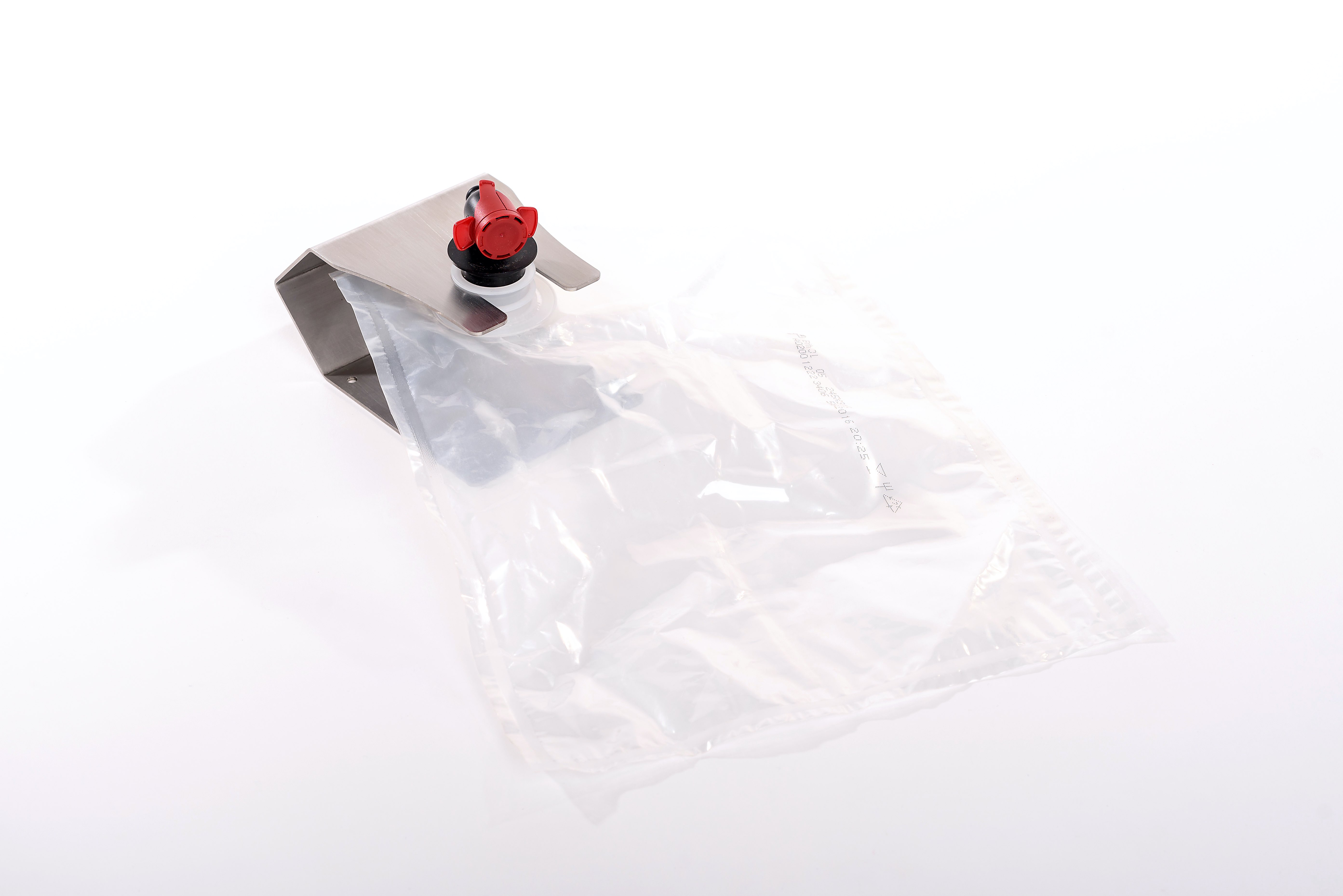
Figure 2. Juice dispensing holder for Bag-in-Box® bags H-1 (Manufacturer: APPLE PRESS LTD.)
Method 3. Stand up Pouch
An analog of the Bag-in-Box® bag, which is made from thicker layers of plastic, preventing light penetration and allowing the product to be transported without a cardboard box. The volume of the bags can be 1 L, 1.5 L, 3 L, and 5 L.
Storage: up to 1 year in a cool place.
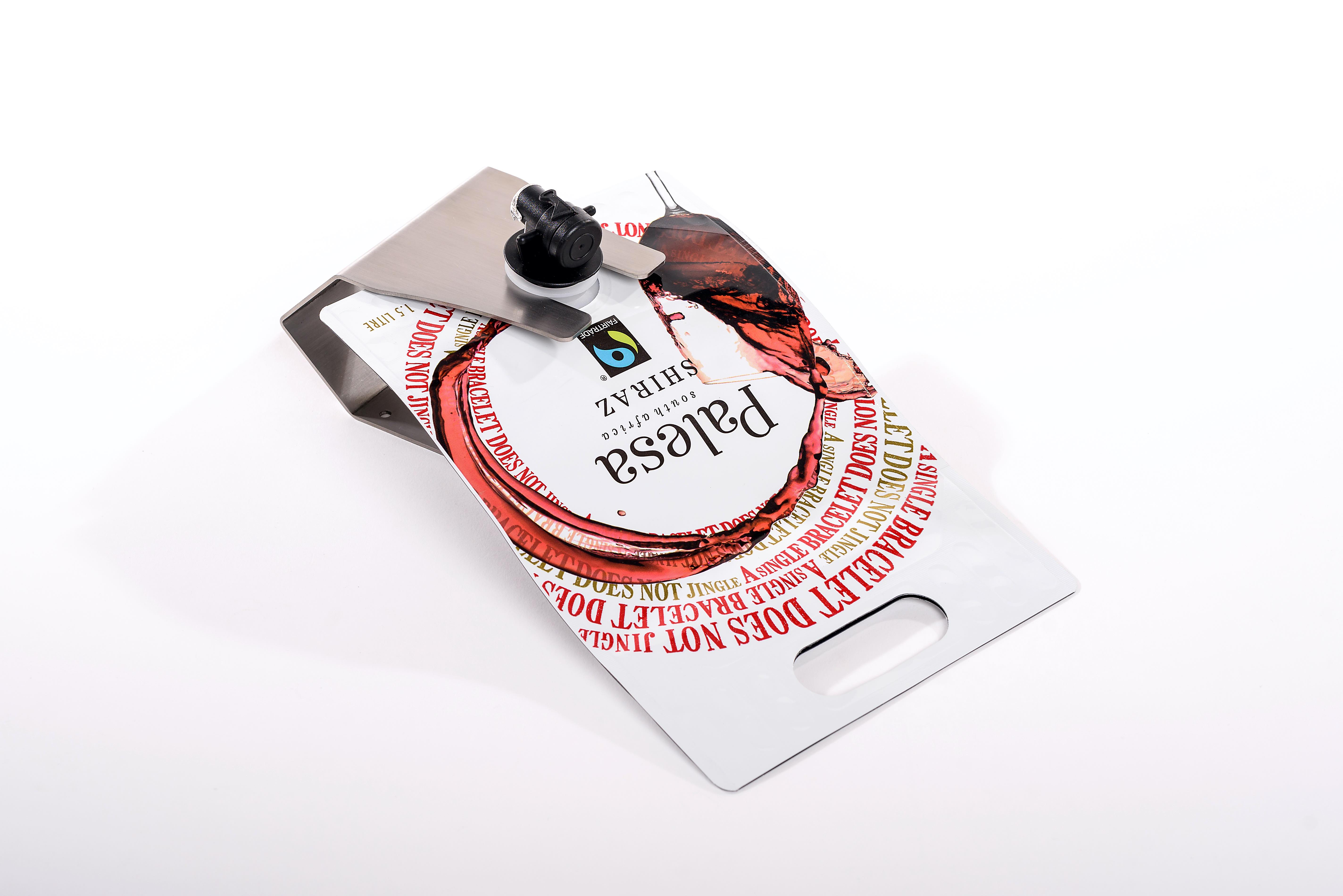
Figure 3. Juice dispensing holder for Stand up Pouch bags H-1 (Manufacturer: APPLE PRESS LTD.)
Method 4. Container with a floating lid + petroleum jelly
It is necessary to pasteurize the juice in a stainless steel container, place a floating lid on the surface of the juice, and fill the gap between the walls of the container and the lid with petroleum jelly. This is an ideal solution for storing pasteurized juices without using preservatives. This prevents contact of the juice with air and ensures tightness, and there is a tap at the bottom for dispensing juice. The container should be stored in a cool dark place, such as a cellar. When dispensing juice, the floating lid descends with the juice, and the oil film remains intact. These containers are also suitable for storing fermented wine or must.
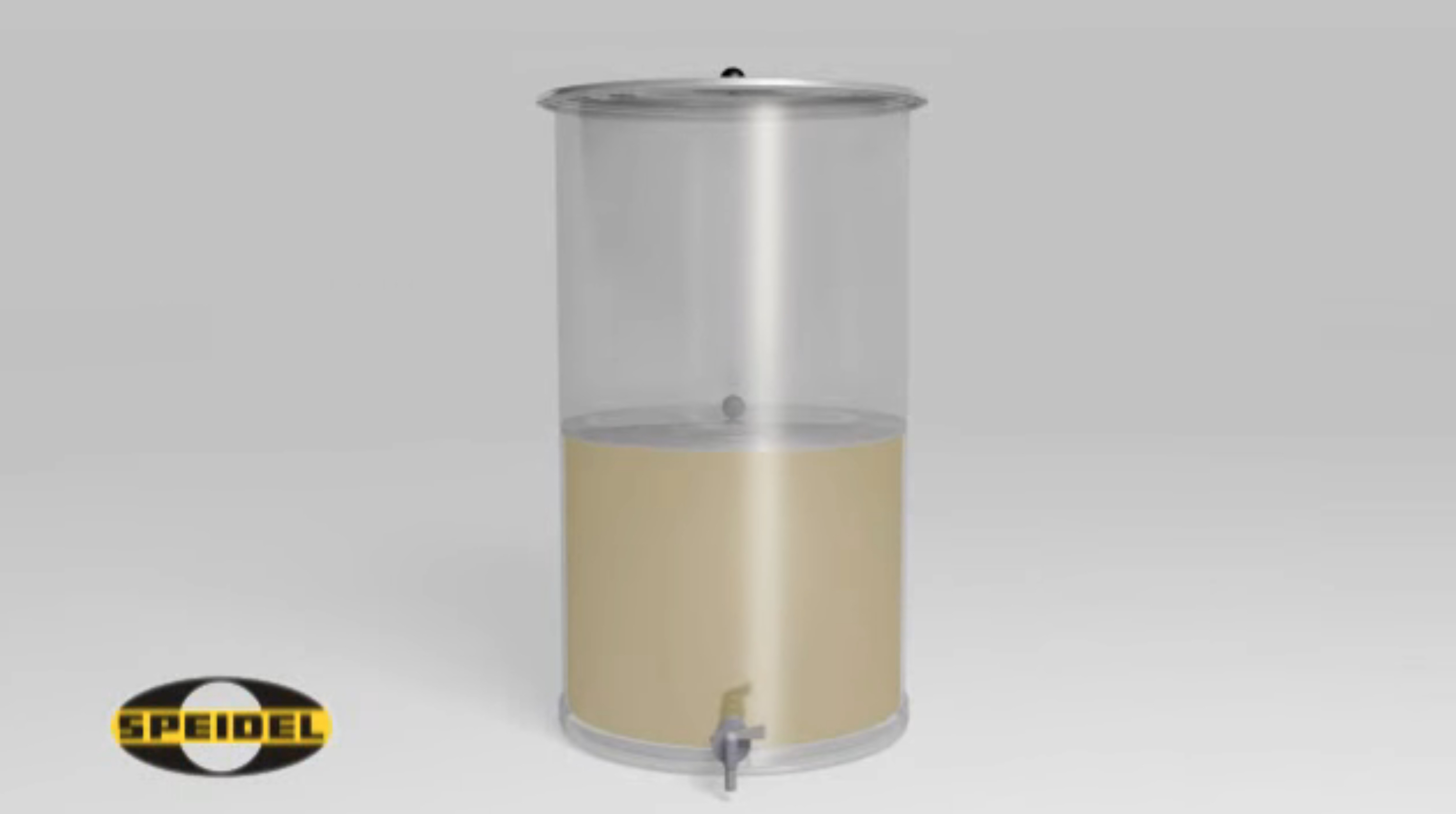
Figure 4. Stainless steel juice container with floating lid 65 L - 170 L (Manufacturer: SPEIDEL)
Method 5. PET bottles
5.1. Hot filling
The juice is pasteurized by heating to 85–92 °C and quickly filled into special heat-resistant PET bottles. After filling, the bottle is hermetically sealed and turned upside down.
After that, the container is cooled to 35–40 °C.
This method requires special type PET bottles — they are thicker, often with ribs for rigidity, designed for high temperatures.
5.2. Cold filling after aseptic treatment
First, the juice must be pasteurized, then quickly cooled to 20 °C. After that, it should be filled into sterilized PET bottles under aseptic conditions.
Regular PET bottles are used, but sterility is achieved through the cleanliness of the equipment and environment.
This is a more complex and expensive technology, but it allows avoiding thermal deformation of the plastic.
5.3. Warm filling
The pasteurized juice is cooled to a temperature of 60–70 °C, and then filled into PET bottles under aseptic conditions (safe for regular PET bottles). This reduces the risk of substances leaching from the plastic.
This juice filling technology is industrial. In home conditions, it is practically impossible to achieve aseptic conditions and ensure subsequent quality control.
Storage: from 4 to 12 months.
Method 6. Tetra Pak
This method is also industrial. Aseptic (cold) filling is used. The juice is first pasteurized at 135–140 °C (UHT), then cooled to 20–25 °C and filled into sterile Tetra Pak packaging under aseptic conditions.
Storage: up to 1 year.
Method 7. Sterilization
This is a thermal treatment that destroys all microorganisms and spores. The juice is heated to 100 °C and above, and then held at this temperature for 10 to 30 minutes in jars.
After sterilization, the juice can be stored much longer, but this heating causes loss of flavor, aroma, and most vitamins.
Storage: from 1 to 2 years.
Method 8. Freezing
This is the fastest and simplest method if you have a large freezer. The squeezed juice is poured into regular plastic bottles and placed in the freezer. Bottles should be filled to 85-90% of their volume, as the juice expands by about 9% when frozen. Thus, there is no need to spend time on pasteurization; the juice retains 70-90% of vitamins and maintains its original taste and color. During pasteurization, the taste of the juice changes slightly due to heating.
Storage period: up to 1 year at -18 °C.
Method 9. Fermentation
The production of wine and cider has been known to humanity since around the 6th millennium BC (Armenia, Georgia, Iran).
Juice fermentation is a natural process that converts sugar into alcohol. Alcohol and acidity create an environment where most harmful bacteria do not survive, so the juice is preserved for a long time.
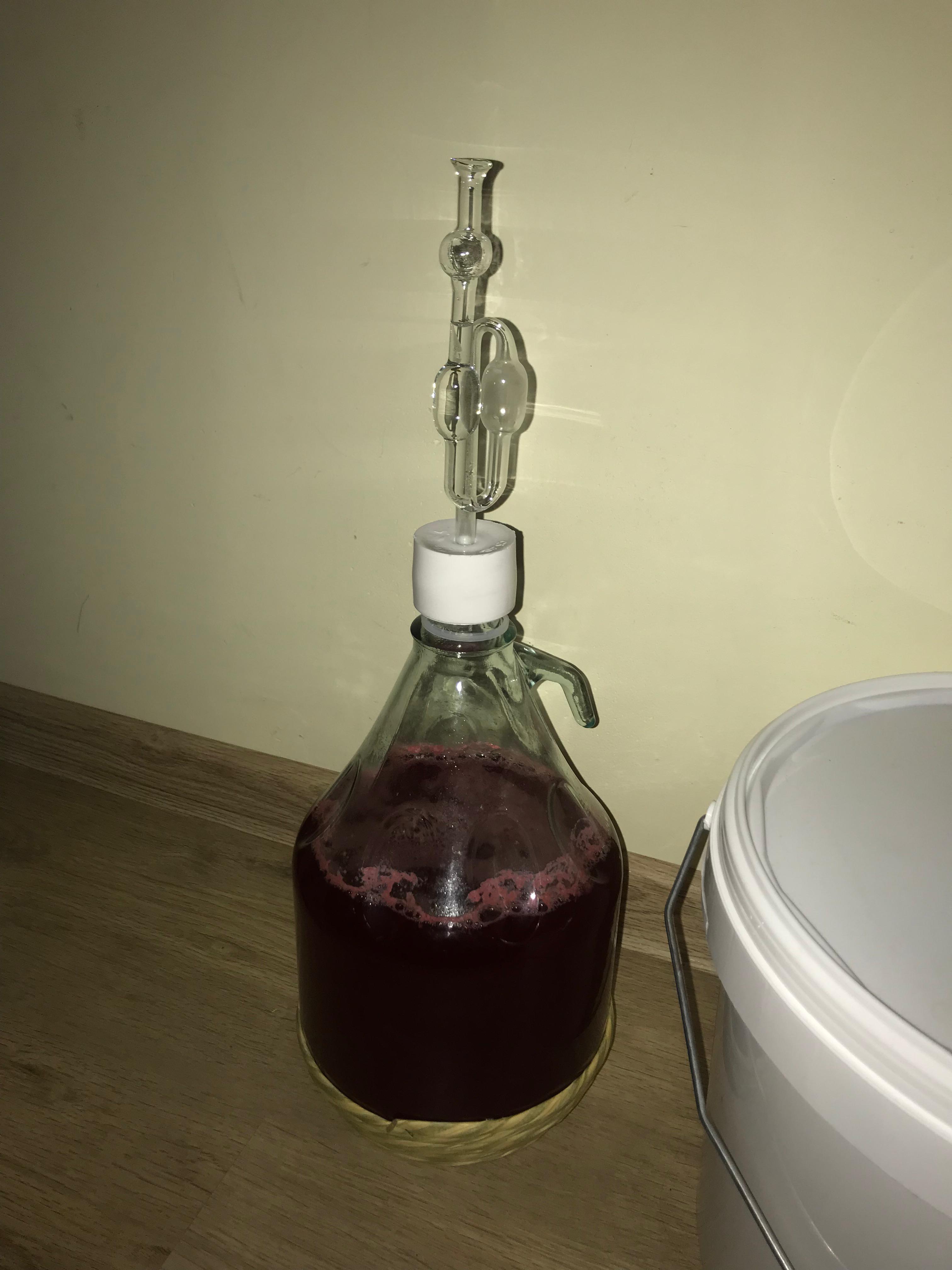
Figure 4. Glass fermentation vessel with a volume of 5 L with an airlock
The most accessible and practical methods of juice preservation at home remain pasteurization followed by filling into glass bottles or Bag-in-Box® bags. If there is enough space in the freezer, freezing becomes an excellent alternative, allowing to maximize the preservation of taste and vitamins.
© APPLE PRESS LTD. All rights reserved.
Copying, distributing, and using the text, images, or any other materials from the site without the written permission of the copyright holder is prohibited.
